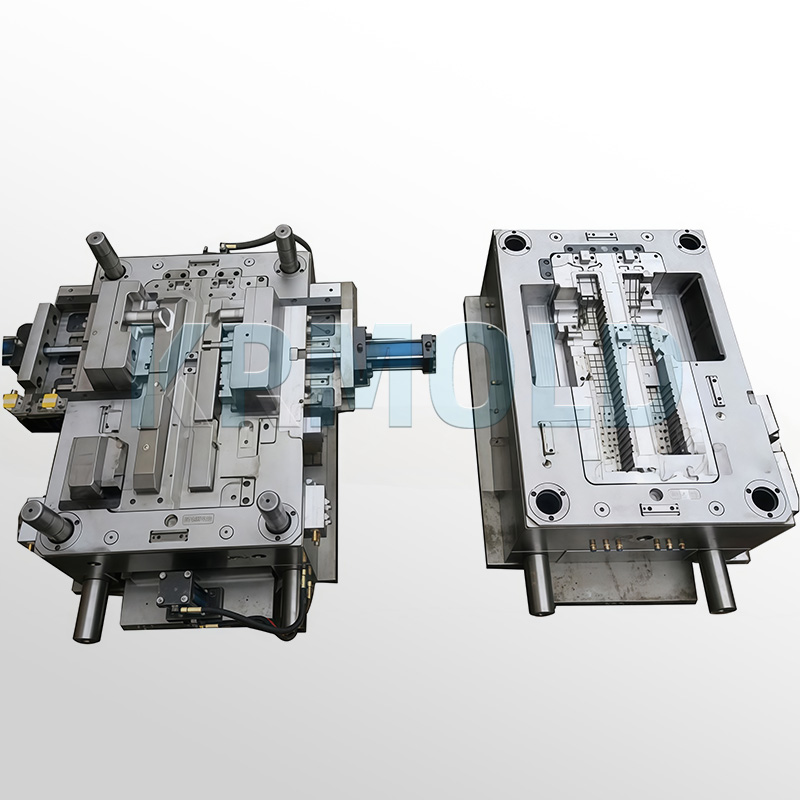
KRMOLD plastic chair injection molds can produce traditional and customized chair styles for a wide range of indoor and outdoor applications.
In the manufacturing process of plastic chair injection mould, KRMOLD pays close attention to the cycle time, parting line, wall thickness, and venting.
KRMOLD offers a diverse range of refrigerator parts injection mould capable of producing components such as drawers, egg trays, door liners, handles, door frames, and fridge lower vent frames, fully covering the molding needs for both interior and exterior plastic parts.
KRMOLD is dedicated to providing a complete range of plastic pallet injection molds, capable of producing pallets in various sizes for widespread use in everyday goods handling and product transportation in factories. KRMOLD plastic pallet injection mould not only meet market demands but also offer customized designs based on different customer application scenarios and handling conditions.
KRMOLD specializes in providing high-quality waste bin injection molds, capable of designing and manufacturing plastic trash bin injection molds for various capacities to meet specific project needs, including 32L, 45L, 60L, 80L, 120L, and 240L.
KRMODL can provide customers with a wide range of Logistic Packaging Injection Mold, according to the customer's product requirements for customized design of injection molds and the process of manufacturing injection molds, Logistic Packaging Injection Molds are used for the production of logistics and transportation required for the products. Logistic Packaging Injection Mold is a large-scale injection mold product.
KRMOLD is a professional injection mold manufacturer in China that can provide Food Packaging Injection Molds, which are designed to produce food packaging products with various specific shapes and functions. As an important injection molding tool, Food Packaging Injection Molds can produce food packaging products that meet food requirements. Welcome to contact us to get the latest design solutions
KRMOLD can provide customers with complete Thin-Wall Container Injection Molds solutions to manufacture injection molds that meet the production requirements of thin-walled products, such as disposable lunch box injection molds, electronic component packaging injection molds, and medical device injection molds.
KRMOLD thin wall container injection molds are characterized by high strength mold structure, precise process control and material innovation. Contact us for new injection molding solutions.
KRMOLD helps customers with complete injection mold design, production and after-sales services, and is able to provide customers with Cosmetic Container Injection Molds, which are used to produce molds for various cosmetic packaging containers. Injection molding technology is used to make plastic raw materials into specific shapes of packaging, such as bottles, jars, lids and so on.
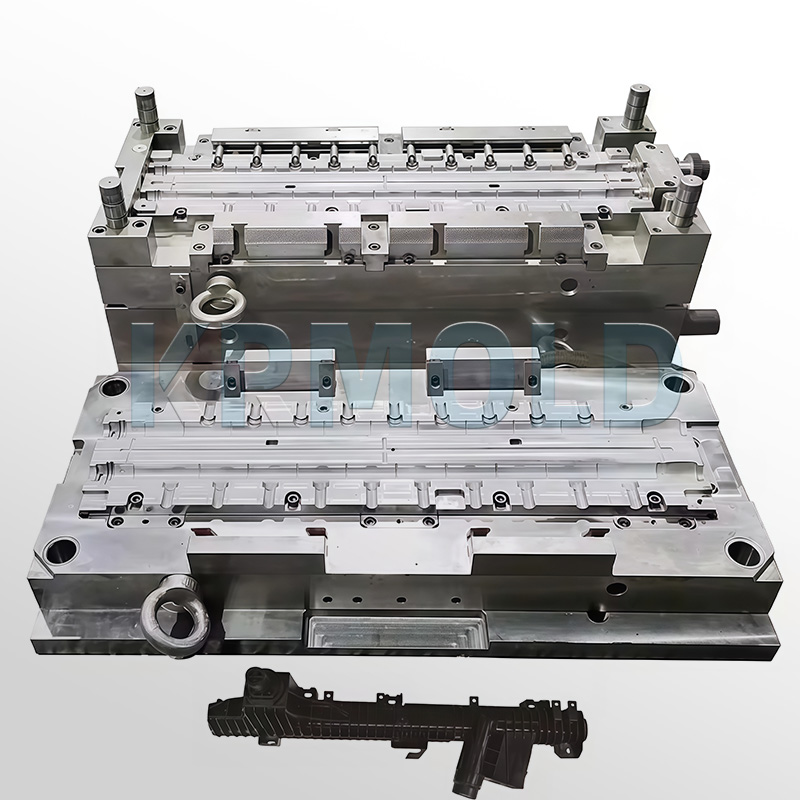
Plastic Injection Mold of Radiator Tank in Automotive Industry
2026-01-22
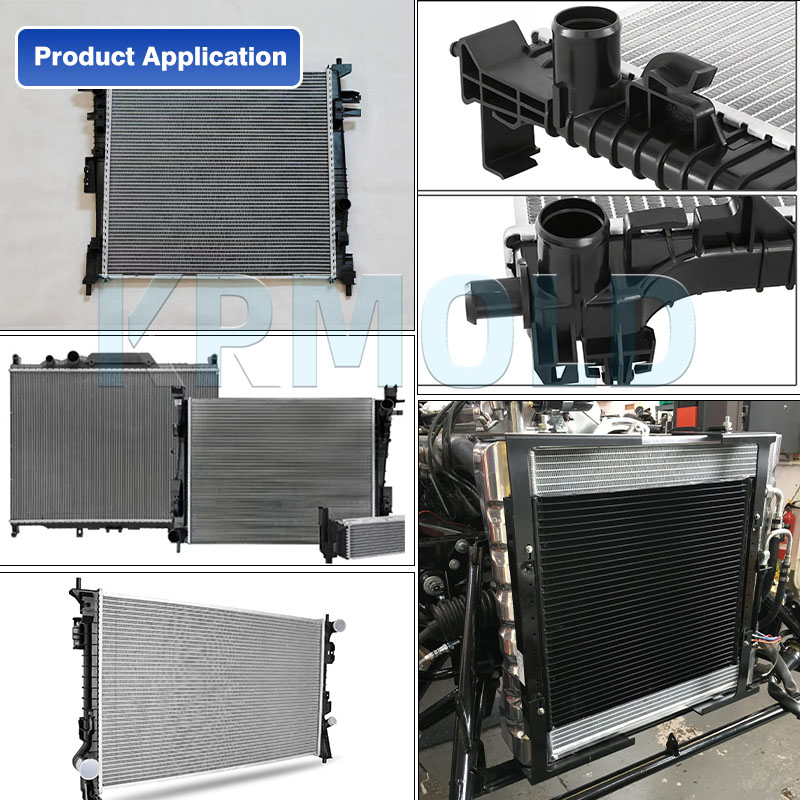
In the automotive manufacturing industry, the radiator tank is a critical component for ensuring effective engine cooling, and its quality and performance directly impact the vehicle's operating condition. To achieve efficient mass production, plastic injection mold of radiator tank have emerged. This article by KRMOLD will delve into the basic concepts, applications, and advantages of auto radiator tank injection mould to provide a better understanding of this important plastic injection mold of radiator tank.
1.What is a Plastic Injection Mold of Radiator Tank?
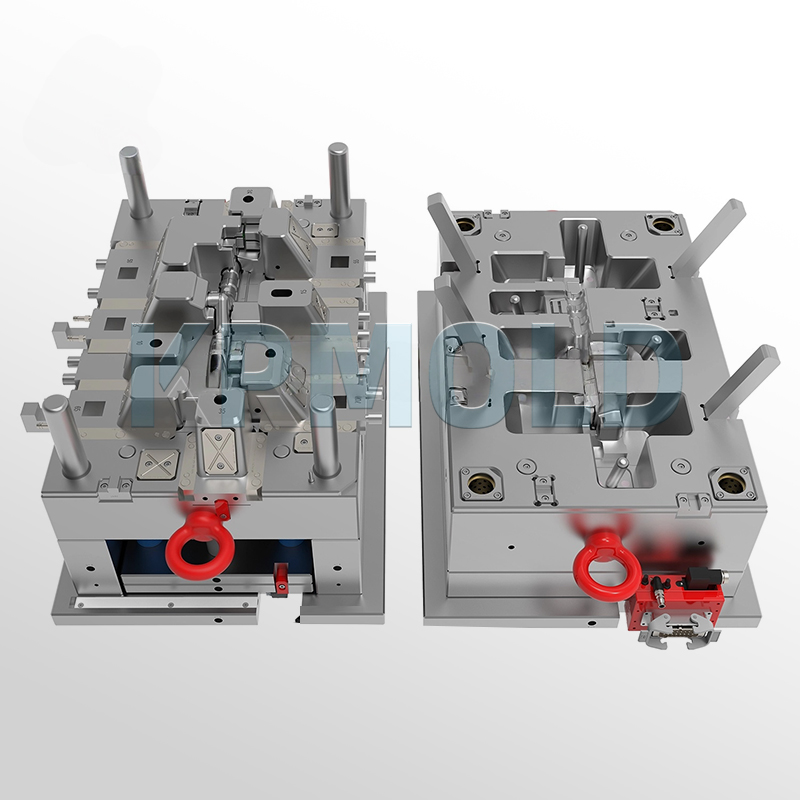
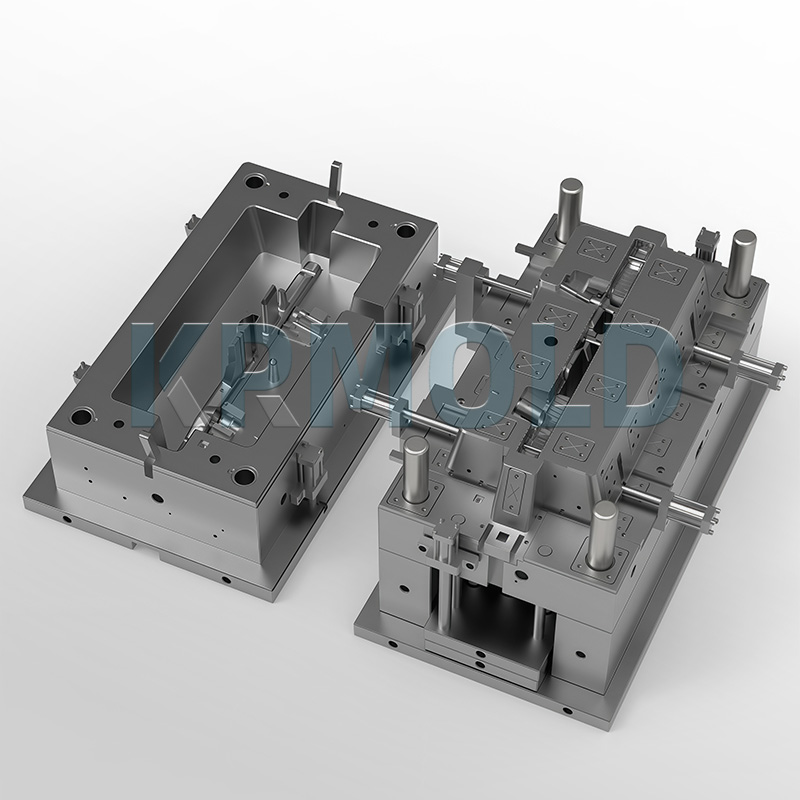
Auto radiator tank injection mould is specifically used to produce automotive radiator tanks. High-quality plastic injection mold of radiator tank are typically made from high-quality steel or aluminum, ensuring the auto radiator tank injection mould' durability and stability. The production process is as follows: First, the plastic injection mold of radiator tank is manufactured according to customer requirements. Then, molten plastic is injected into the mold cavity under high pressure. After the plastic cools and solidifies, the mold is opened to remove the finished product. This process achieves efficient production and ensures product consistency and precision, resulting in a smooth, burr-free surface that perfectly fits various car models.
2. Applications of Auto Radiator Tank Injection Mould in Automotive Industry
The design and production process of plastic injection mold of radiator tank fully consider the specific needs of the automotive industry. The following points are particularly important:
2.1 High Strength and High Rigidity
Automotive radiator tanks need to withstand the pressure inside the cooling system and the vibrations and impacts within the engine compartment during operation. Tanks produced using auto radiator tank injection mould meet these requirements, ensuring long-term structural stability and extending their service life.
2.2 Excellent Heat Resistance
Modern automotive radiator tanks generally operate at temperatures between 130°C and 140°C, and can even withstand higher temperatures for short periods. Tanks manufactured using plastic injection mold of radiator tank can withstand these high temperatures, ensuring the normal operating temperature of the engine coolant and preventing overheating problems.
2.3 Corrosion Resistance
Compared to traditional metal tanks, plastic radiator tanks are not only lighter but also possess excellent corrosion resistance. This means avoiding the common problems of rust and scaling found in metal tanks, significantly extending the service life of the tank.
2.4 Structural Complexity and Integration
The design of plastic injection mold of radiator tank allows for the one-time manufacturing of complex and highly integrated water tank assemblies. This reduces the number of parts, simplifies the assembly process, thereby lowering the risk of leaks and improving assembly efficiency.
2.5 Achieving Automotive Lightweighting
The lightweight properties of plastic mean that water tanks manufactured using auto radiator tank injection mould contribute to achieving overall vehicle lightweighting goals, effectively reducing vehicle energy consumption and emissions, and meeting the environmental requirements of modern automotive production.
3.Advantages of Plastic Injection Mold of Radiator Tank
3.1 High Cost-Effectiveness
Auto radiator tank injection mould are an economical and efficient manufacturing tool, ideal for mass production. Once the plastic injection mold of radiator tank is manufactured, it can be used for automated production in an injection molding machine, significantly reducing labor costs and shortening production cycles, thus improving production efficiency.
3.2 High Design Flexibility
The design of auto radiator tank injection mould supports the manufacturing of complex shapes and designs. Manufacturers can flexibly adjust the plastic injection mold of radiator tank design according to different vehicle models and market demands to produce lightweight, durable, and aesthetically pleasing radiator water tanks.
3.3 Diverse Material Selection
Auto radiator tank injection mould can use a variety of thermoplastic materials, such as polypropylene (PP) and polyethylene terephthalate (PET). This allows manufacturers to choose materials that achieve the best balance in terms of strength, rigidity, and impact resistance, according to different application requirements.
3.4 Reduced Leakage Risk
The integrated design and precise plastic injection mold of radiator tank manufacturing effectively reduce the possibility of leaks in the radiator water tank during use. This is crucial for ensuring the normal operation of the vehicle and improving the user experience.
With the continuous advancement of technology, the design and production technology of auto radiator tank injection mould are also constantly evolving. In the future, the automotive industry may lean more towards intelligent and automated production methods, requiring plastic injection mold of radiator tank to be not only more stringent in quality but also to meet higher standards in production efficiency and environmental protection. Furthermore, with the rise of new energy vehicles, the design of automotive radiator water tanks may need to focus more on thermal management efficiency to adapt to the special temperature control requirements of electric vehicles. KRMOLD will keep pace with market demand changes and continuously innovate its auto radiator tank injection mould to enhance competitiveness.