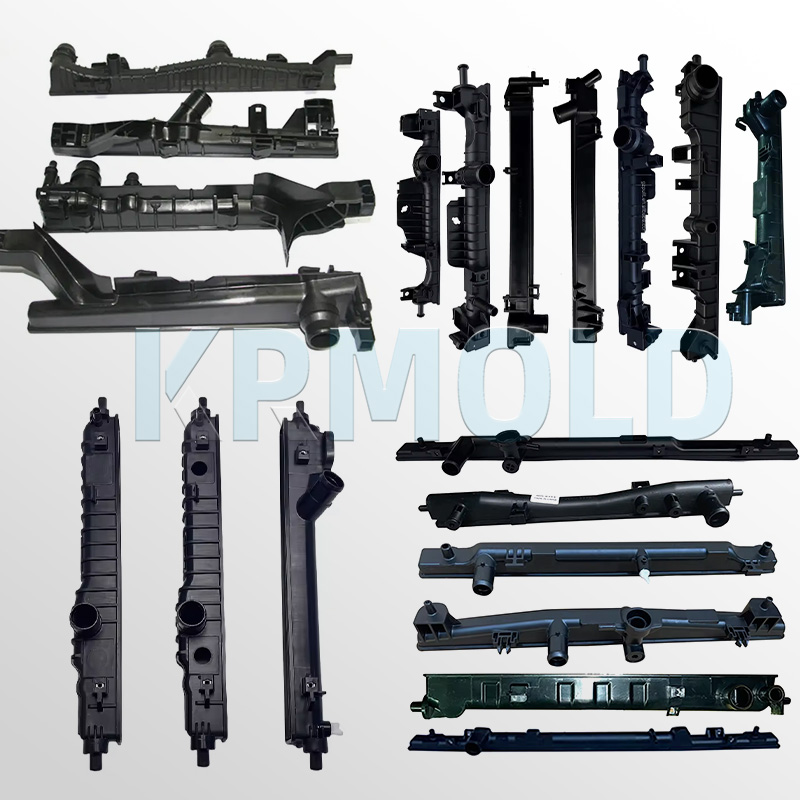
Introduction to Plastic Car Radiator Tank Mould
● ● ● ● ●
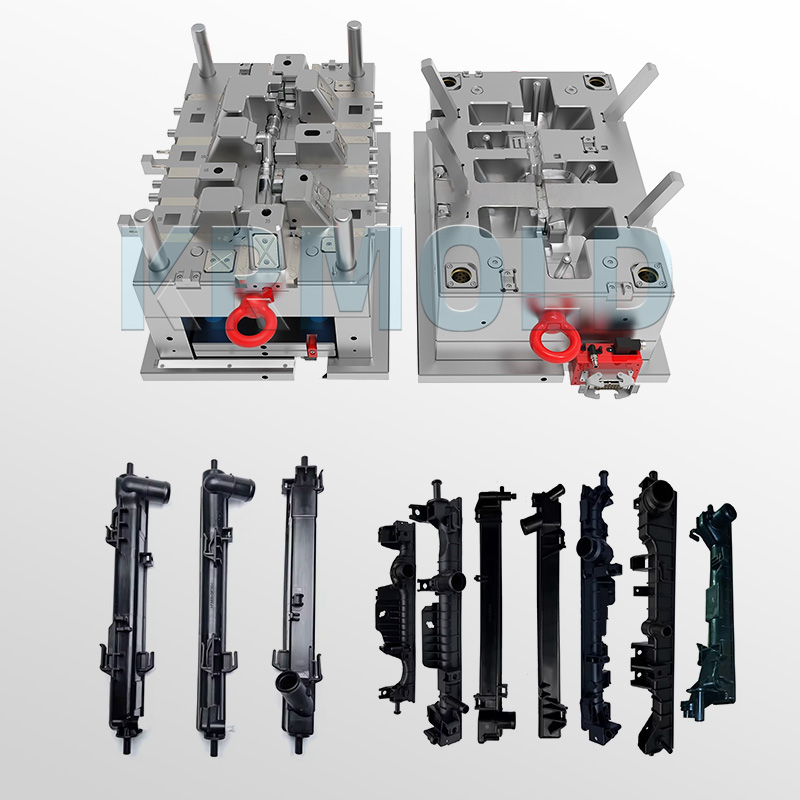
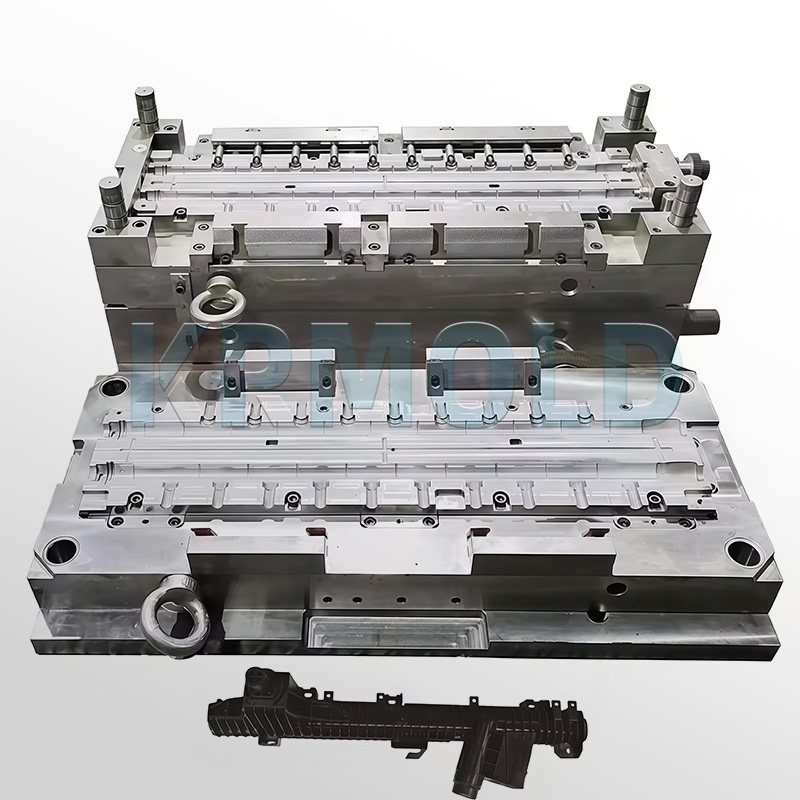
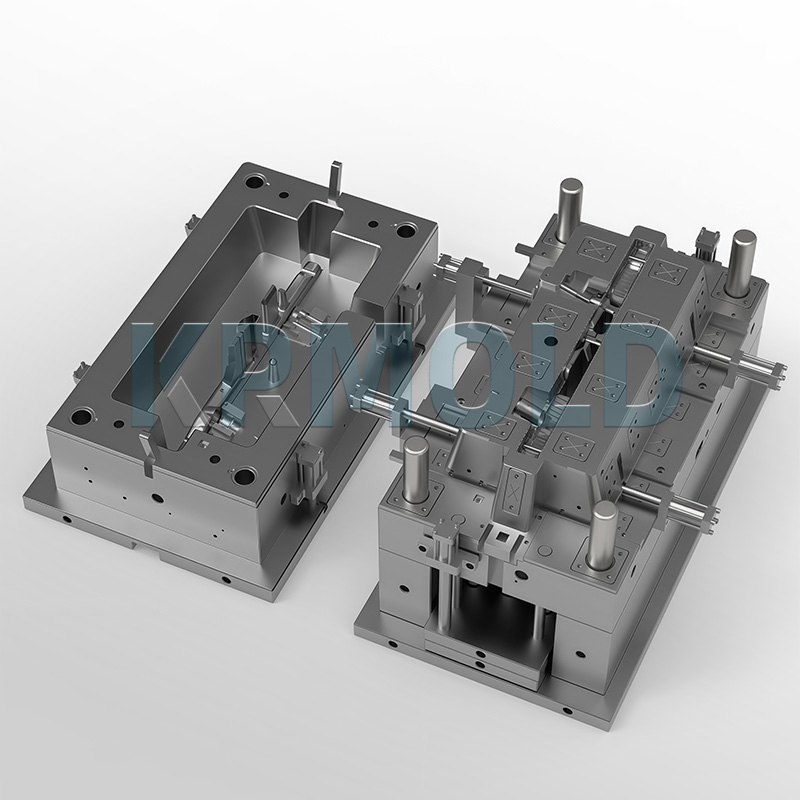
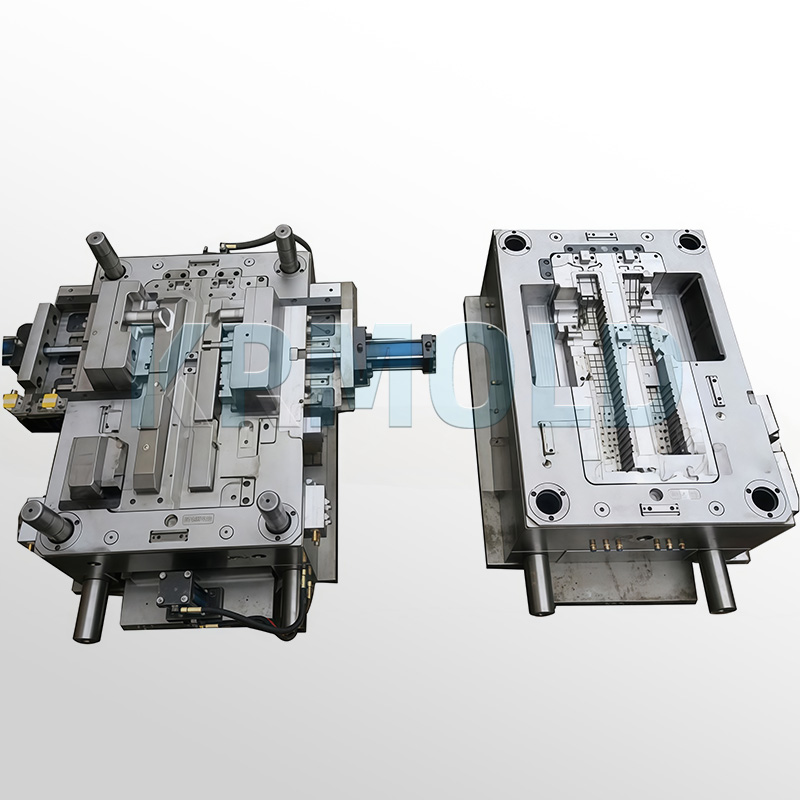
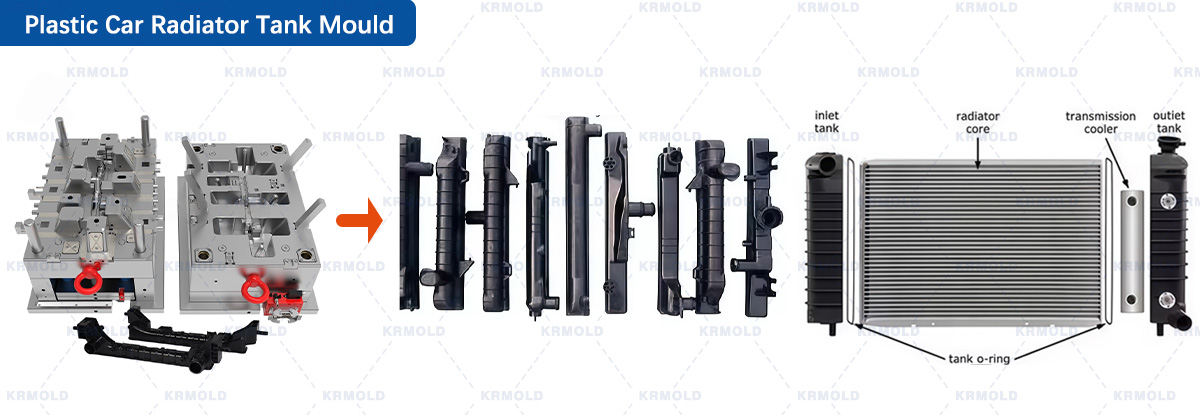
In modern automotive manufacturing, plastic car radiator tank mould are specifically designed to produce radiator water tanks, with their internal design deeply considering the characteristics of automotive radiators. When plastic material is injected into the mold cavity, the desired precise shape and size are formed through a cooling process. This car radiator water tank mould not only improves production efficiency but also ensures high product quality. To speed the cooling process and so maximize production efficiency, the plastic car radiator tank mould is fitted with cutting-edge hot runner and cooling water channels.Moreover, the precisely polished mold cavity flawlessly corresponds with the surface of the radiator water tank, hence guaranteeing product stability and dependability.
Plastic car radiator water tanks are slowly becoming the market standard nowadays instead of those constructed of conventional metallic materials. Compared with metal radiators, plastic water tanks produced by car radiator water tank mould have lower production costs and a more convenient installation process. Moreover, these plastic car radiator tank mould ensure that the injection-molded radiator water tanks can withstand high pressure and high temperatures, resulting in superior performance during vehicle operation.
KRMOLD has over 20 years of experience in the automotive manufacturing industry, specializing in the research and development and production of car radiator water tank mould, and is committed to providing customers with high-precision, long-life
plastic car radiator tank mould solutions.
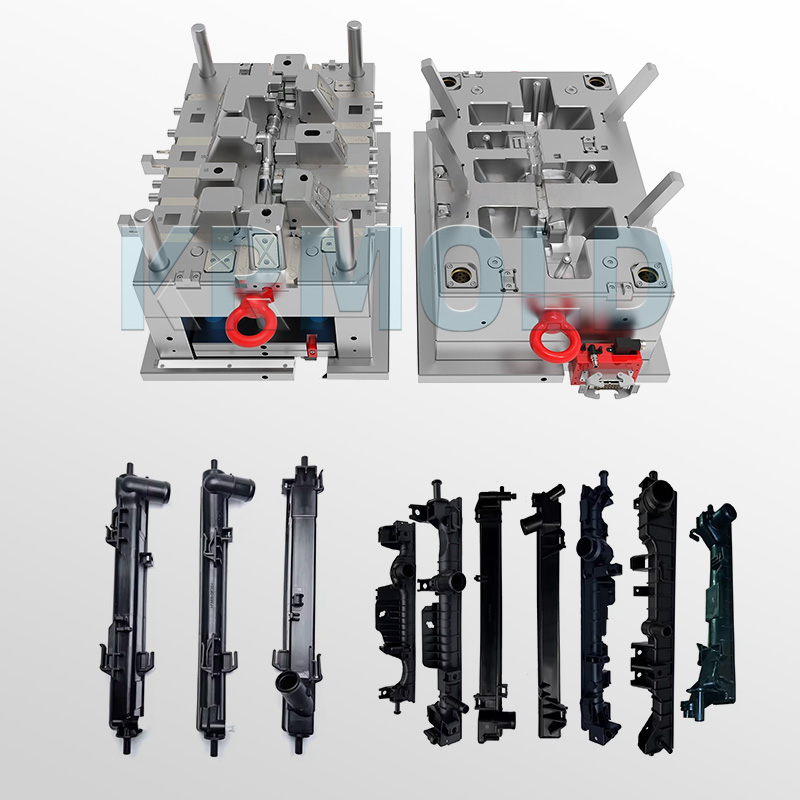
Plastic Car Radiator Tank Mould Specifications
● ● ● ● ●
| Product Type | Car radiator water tank mould |
| Model | OEM |
| Product Material | Plastic |
| Material | PA66-GF30 |
| Color | Black |
| Surface Treatment | Mirror Polishing |
| Plastic Materials | ABS/PP/PS/PE/PVC/PA6/PA66 |
Size | Standard Customization |
Main Mold Steel Grades and Hardness for Your Reference
| Steel Grade | S50C | P20 | P20H | 718H | 2738H | 2316 | H13 | S136 | NAK80 |
| Hardness(HRC) | 17-22 | 27-30 | 33-37 | 32-36 | 34-38 | 46-52 | 45-52 | 48-52 | 34-40 |
How to Manufacture Plastic Car Radiator Tank Mould?
● ● ● ● ●
1. Designing and Creating the 3D Model The first step in manufacturing car radiator water tank mould is to design a 3D model using computer-aided design (CAD) software. CAD software allows you to create detailed and precise car radiator water tank mould models, laying the foundation for subsequent physical plastic car radiator tank mould manufacturing.
2. Material Selection Next, the appropriate mold material must be selected. Common materials for manufacturing plastic car radiator tank mould include aluminum, steel, and plastic. Each material has its own advantages and disadvantages, and the most suitable material must be chosen based on actual needs to ensure the car radiator water tank mould’ performance.
3. Machining The plastic car radiator tank mould must be painstakingly machined to get the designated form and dimensions after the design drawings and materials have been established. To guarantee that every detail of the car radiator water tank mould is perfect, high-level machining and cutting processes are needed at this stage. | 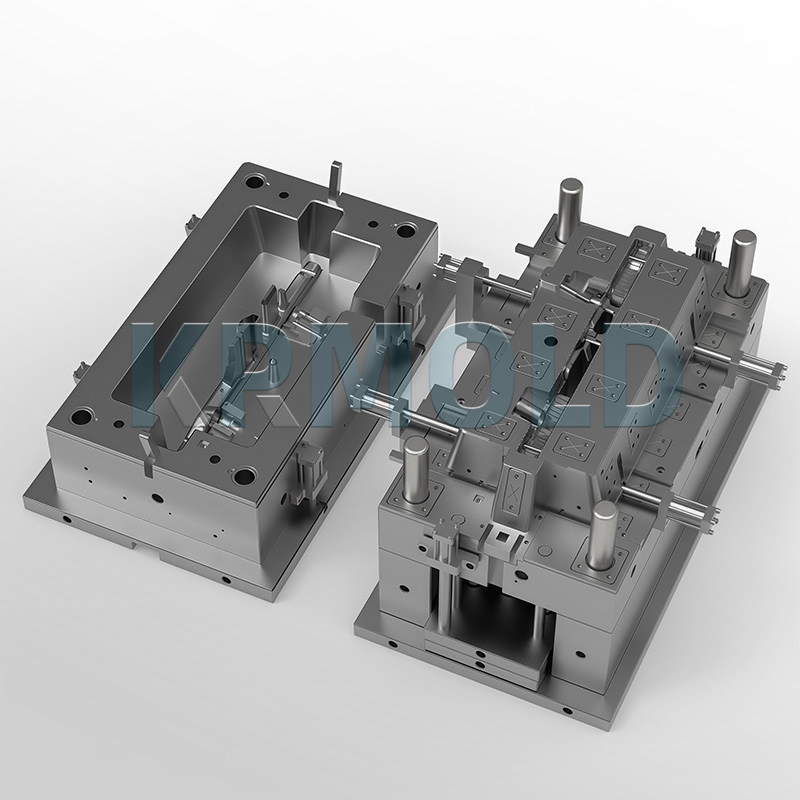 |
4. Assembly Once machining is complete, the various components of the plastic car radiator tank mould are assembled, including the core, cavity, and cooling system. The assembly process requires the extensive use of professional tools and attention to every detail to ensure the car radiator water tank mould’ functionality and performance.
5. Testing and Quality Control Following assembly of thecar radiator water tank mould, thorough testing is carried out to guarantee it satisfies the already established requirements. Dimensional precision, surface finish, and other quality criteria are tested in these tests. Any defects or problems found must be resolved before the car radiator water tank mould is put into production.
6. Mass Production Once the plastic car radiator tank mould has been debugged and tested, it can enter the mass production stage of radiator water tanks. By installing the car radiator water tank mould into a press, the radiator water tank material is injected into the mold, and the water tank is then removed and subjected to appropriate finishing processes. | 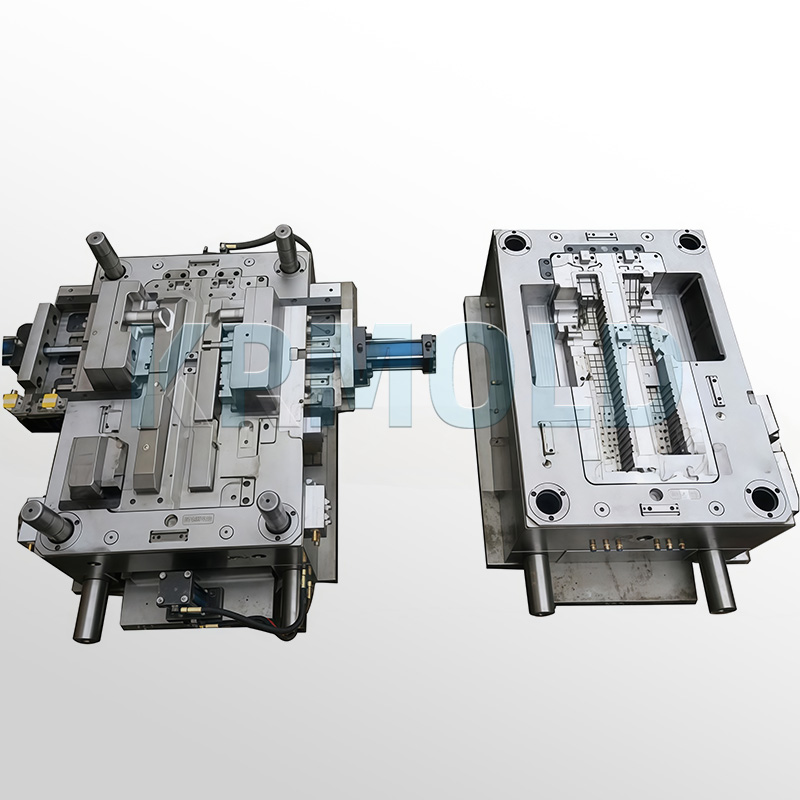 |
Features of Plastic Car Radiator Tank Mould
● ● ● ● ●
Special Cavity Design: Car radiator water tank mould utilize a unique cavity design to ensure stable coolant flow within the engine, thereby improving engine exhaust efficiency. This design ensures that the mold is made of high-quality steel, which is wear-resistant and durable, effectively preventing leaks or cracks.
Plastic Uniformity: The injection molding process used to manufacture the water tank ensures that the plastic injected into the mold has good flowability and uniformity. This not only improves the efficiency of plastic flow but also ensures consistency between different components, guaranteeing the reliability of the final product.
Heating System: The mold is equipped with a special heating system to heat the steel during the manufacturing process, allowing the molten plastic to cool and solidify quickly, reducing potential plastic defects and ensuring the production of high-quality radiator tanks.
Automated Production of Complex Parts: The plastic car radiator tank mould utilizes precision machining processes to support the automated production of complex parts and structures. This production method not only allows for the manufacture of high-quality components at a lower cost but also effectively reduces the time and cost required for molding and assembly.
About Us
● ● ● ● ●
KRMOLD is a professional supplier specializing in the design, development, and manufacturing of plastic injection molds, with over twenty years of experience. For the aviation, medical, telecommunications, energy, industrial, and automotive industries, KRMOLD offers a range of plastic injection molds. Starting with the first design phases, KRMOLD engineers collaborate with customers to offer guidance on materials, feasibility, product geometry, cost-effectiveness, and life of plastic injection mold. This cooperative approach guarantees the dependability of your plastic injection molds from the beginning, therefore minimizing faults, downtime, and costs over the course of the product life cycle. KRMOLD also provides comprehensive support for plastic injection molds, design, and complex customized solutions. This includes mold design, mold manufacturing, factory acceptance testing (FAT) and prototype validation, as well as the production of multi-cavity mold systems and the mass supply of injection molded components.
Specify the type of plastic (e.g. PP, ABS) and post-processing requirements (e.g. spraying, silk-screen printing), and provide 2D or 3D plastic part drawings should be provided. At the same time, provide the production volume, appearance requirements, tolerance standards, etc.
Generally speaking, our engineers will start to prepare the quotation immediately after the customer provides the complete production requirements. Usually it takes about 1-3 days.
The lead time for regular injection molds is usually 30-60 days, and may be longer for complex molds. For example, the typical lead time for liquid silicone molds is around 60 days, covering design, manufacturing, mold testing, etc.
High-precision processing technology: High-precision equipment such as CNC machining centers (CNC) and electric discharge machining (EDM) are used to optimize the design process in combination with CAD/CAM software. Quality control: Inspection of key dimensions of the mold by Coordinate Measuring Machine (CMM) and verification of multiple sample batches during the trial molding stage. Material Selection: Use die steel with high wear resistance (e.g. H13, S136) and surface treatment (e.g. nitriding, chrome plating) for die nuts to extend the life.
After every 50,000 molds, check the guide pillar, ejector pin and other wear parts, and clean up the residual plastic and rust on the mold surface. Use high temperature grease for sliding parts (e.g. tilt top, slider) to reduce friction loss. Ensure that the water circuit is smooth and the temperature difference is ≤5℃ to avoid cracking of the mold due to thermal stress.
Mould cost of materials accounted for about 30-40% (such as 1 ton of P20 steel price of about 20,000 yuan), processing costs accounted for more than 50% (CNC labor hourly rate of about 80-150 yuan / hour). Small batch production can choose aluminum mold or simplify the structural design; more than 100,000 pieces is recommended to use carbide inserts to enhance life!
Mould injection products need to fully meet the design requirements (such as size, appearance), and can be continuous and stable production. Mold marking, inspection reports (such as material hardness test) and engineering drawings should be complete.
Mould steel (such as S136H, NAK80 and other imported materials cost more) and the type of mold embryo (aluminum mold short-term cost is low but short life) directly affect the cost, the use of CAD/CAE/CAM design technology, hot runner system, etc. will increase the upfront investment, but can enhance the long-term benefits (such as reducing the sprues, increase production capacity).