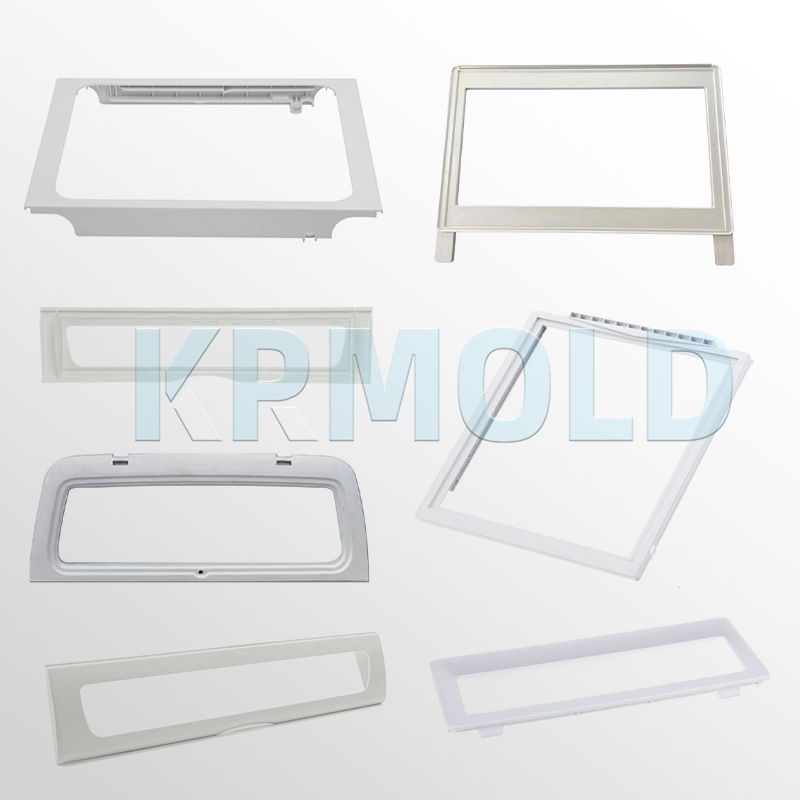
Introduction to Refrigerator Parts Injection Mould
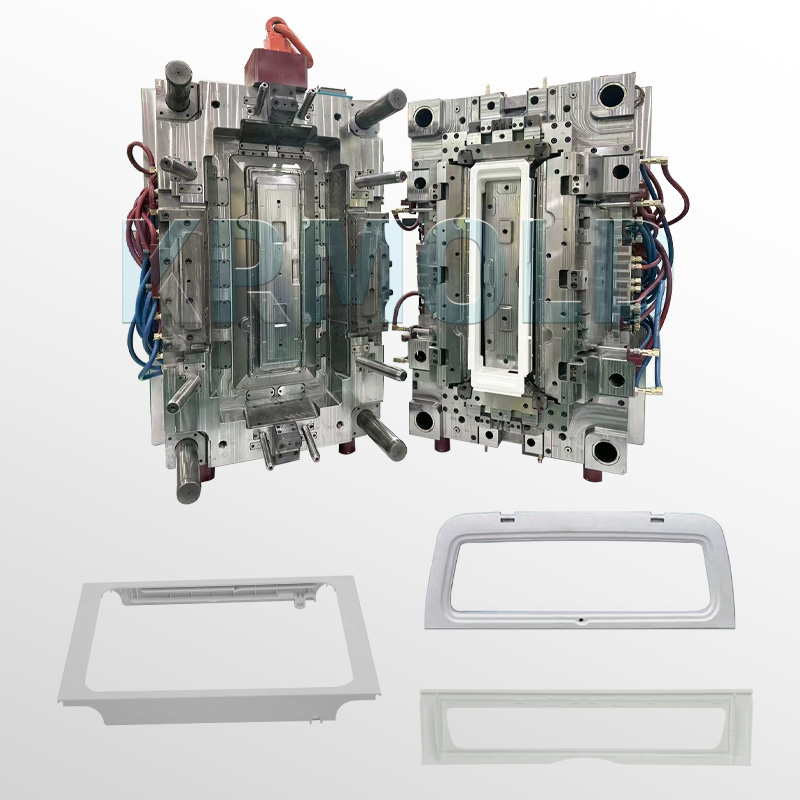
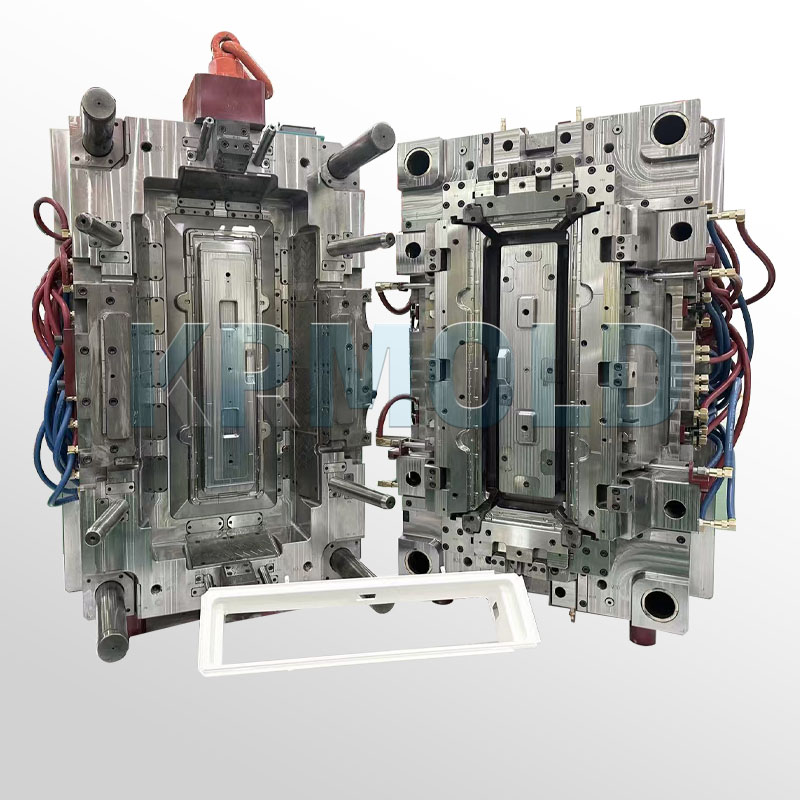
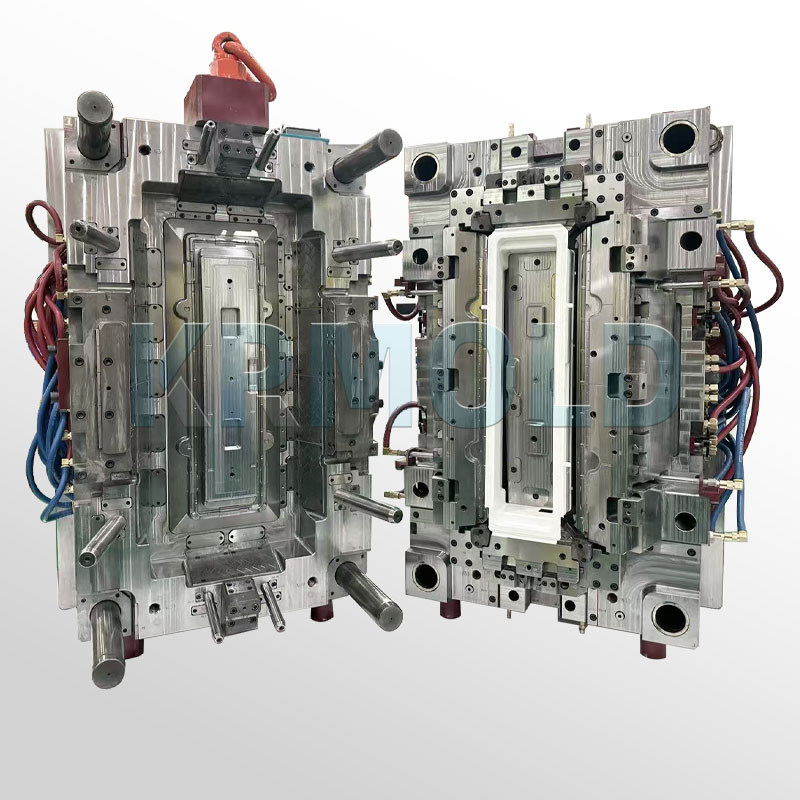
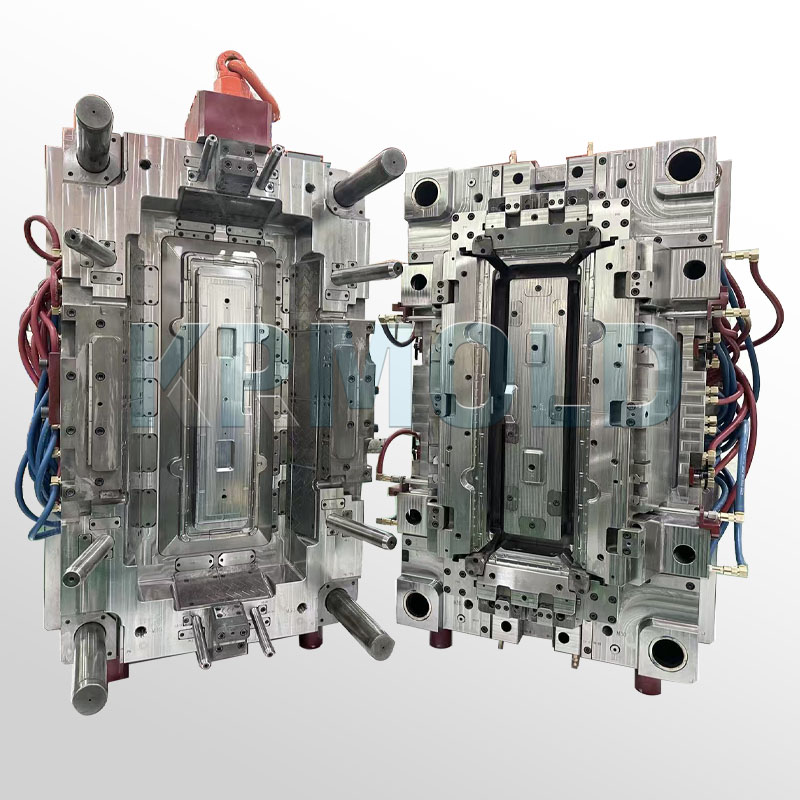
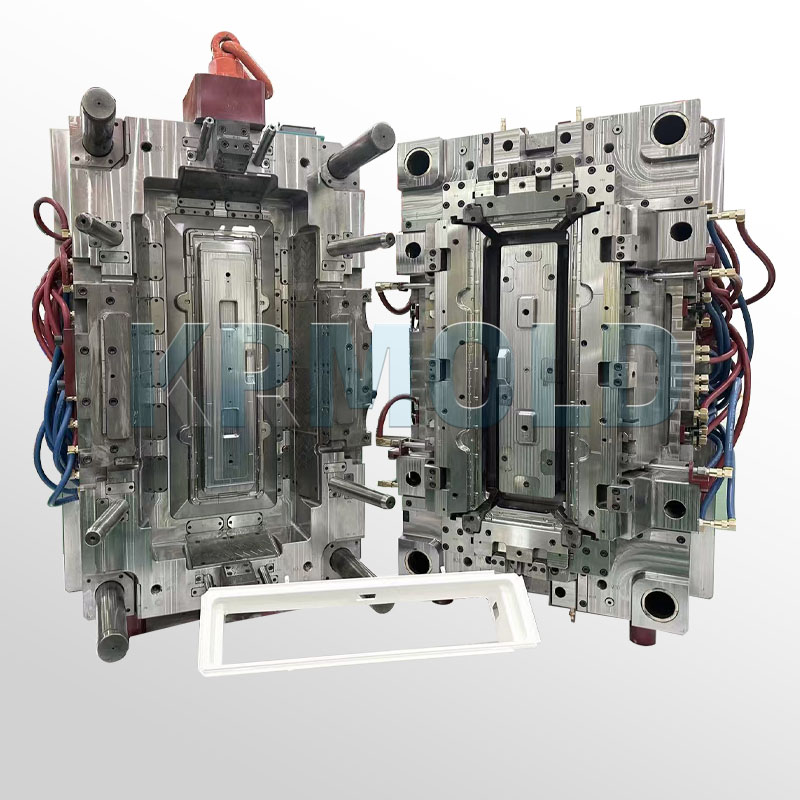
KRMOLD specializes in the R&D, design, and custom manufacturing of refrigerator parts injection mould. Focusing on the molding requirements for the full spectrum of plastic structural and aesthetic components, we provide global refrigerator manufacturers with comprehensive, highly compatible, and stable refrigerator plastic parts injection mold solutions.
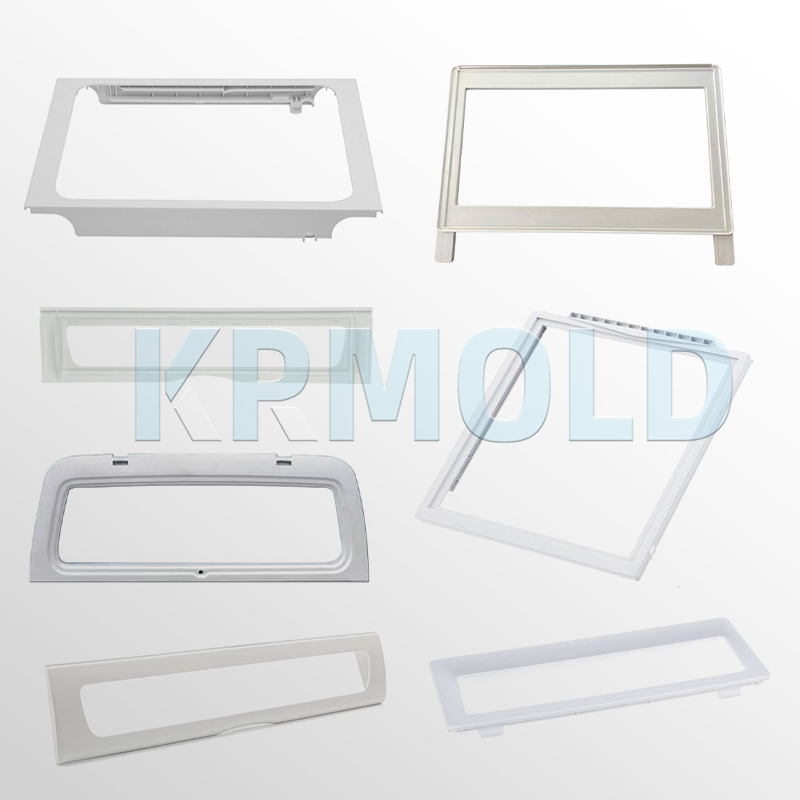
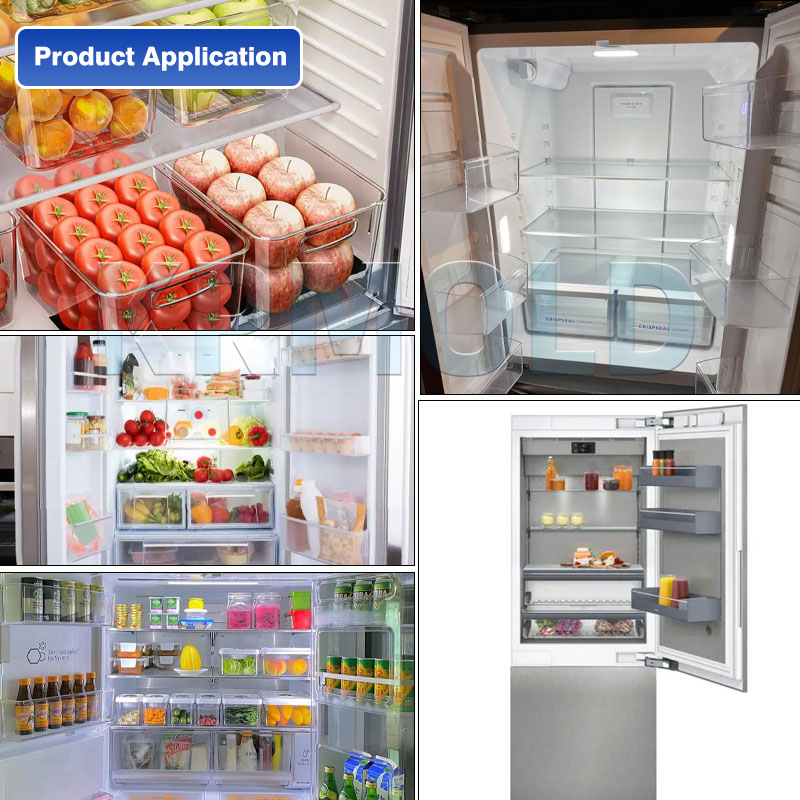
KRMOLD offers a diverse range of refrigerator injection mould capable of producing components such as drawers, egg trays, door liners, handles, door frames, and fridge lower vent frames, fully covering the molding needs for both interior and exterior plastic parts.
Notably, our proprietary refrigerator mould feature structural optimizations specifically engineered for low-temperature environments, frequent opening/closing cycles, and rigorous aesthetic standards, ensuring a perfect fit for the industry's unique manufacturing and usage requirements.
Whether for standard models, niche custom designs, built-in units, or mini-fridges, KRMOLD provides highly flexible customization options. We adjust mold cavity structures, molding processes, and mass-production specifications to meet the scale requirements of various brands and models, helping clients rapidly bring new products from development to mass production.
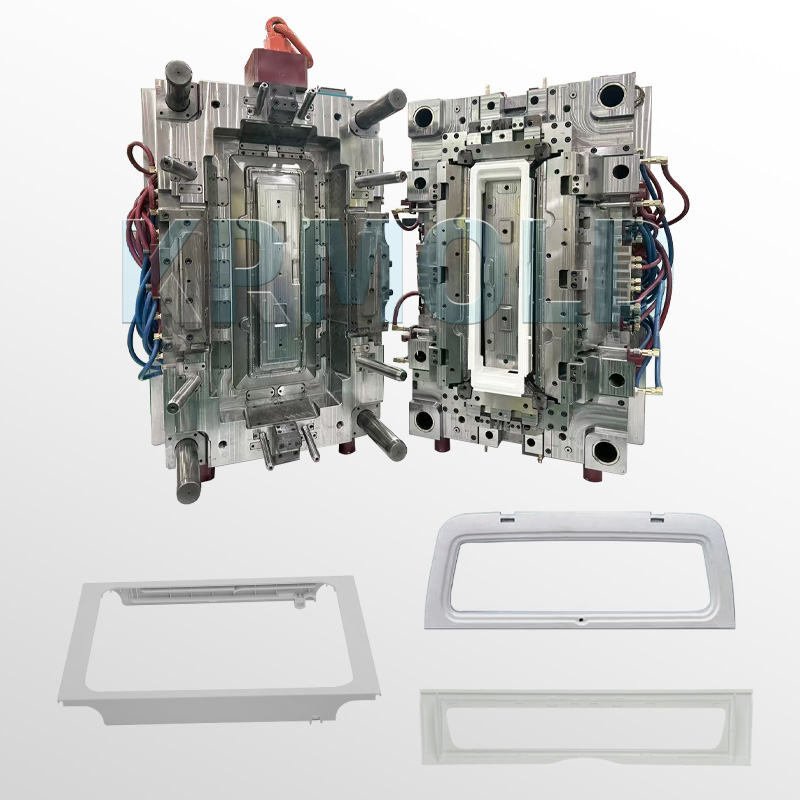
Specifications of Refrigerator Parts Injection Mould
| Mold Name | Injection Molds for Refrigerator Parts |
| Cavity | 1 Cavity |
| Main Mold Material | DIN 1.2738 |
| Injection System | Hot Runner |
| Ejection System | Ejector Pins |
| Mold Lifespan | 1 Million Cycles |
Advantages of Refrigerator Parts Injection Mould
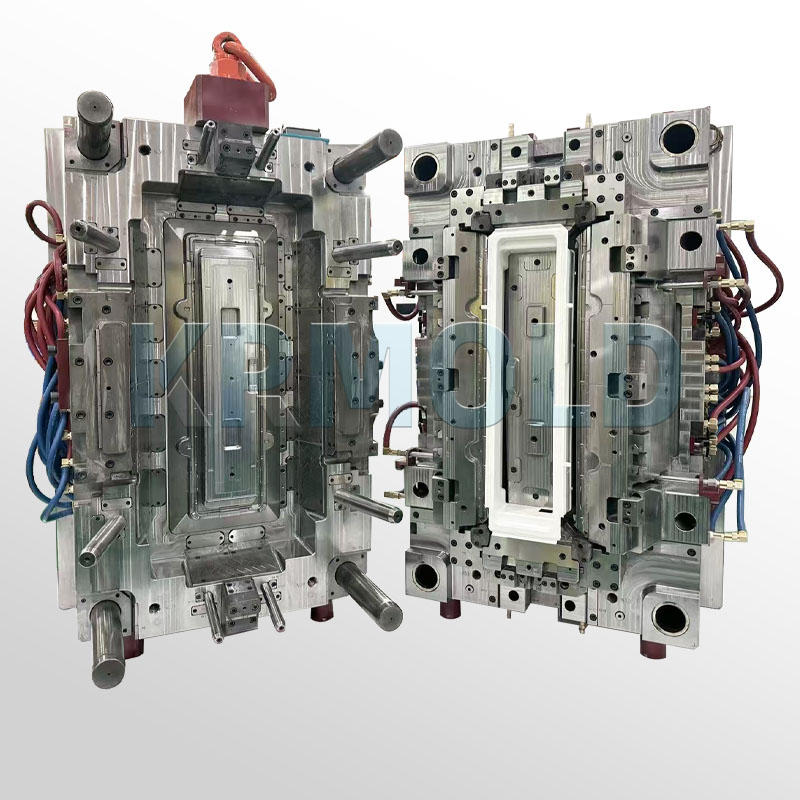
High-Precision Molding Quality
KRMOLD refrigerator plastic parts injection molds achieve superior product quality through systematic structural optimization. Regarding surface finish, the refrigerator injection mould utilize a scientific gating system—combining hot runners with multi-point injection—alongside a dedicated conformal cooling channel design. This ensures uniform and rapid filling of the mold cavity, effectively preventing common defects such as warpage, sink marks, flow lines, and weld lines. The resulting parts feature a flawless, smooth surface that meets the home appliance industry's "Class A" aesthetic standards, eliminating the need for secondary processing like sanding or painting.
Regarding dimensional precision, the KRMOLD refrigerator parts injection mould features a dual-positioning system—combining precision guide-pin guidance with conical surface location—and utilizes a proprietary pre-deformation compensation process. This ensures precise control over dimensional tolerances for various refrigerator components, guaranteeing a perfect fit for precision structural parts such as vent frames, door frames, and liners, while eliminating issues like uneven assembly gaps, sticking during opening/closing, and poor sealing.
Additionally, the refrigerator plastic parts injection mold employs balanced gating and optimized gas-assisted injection molding structures to significantly reduce internal molding stress and the likelihood of post-demolding deformation, thereby greatly enhancing the long-term stability and durability of the components.
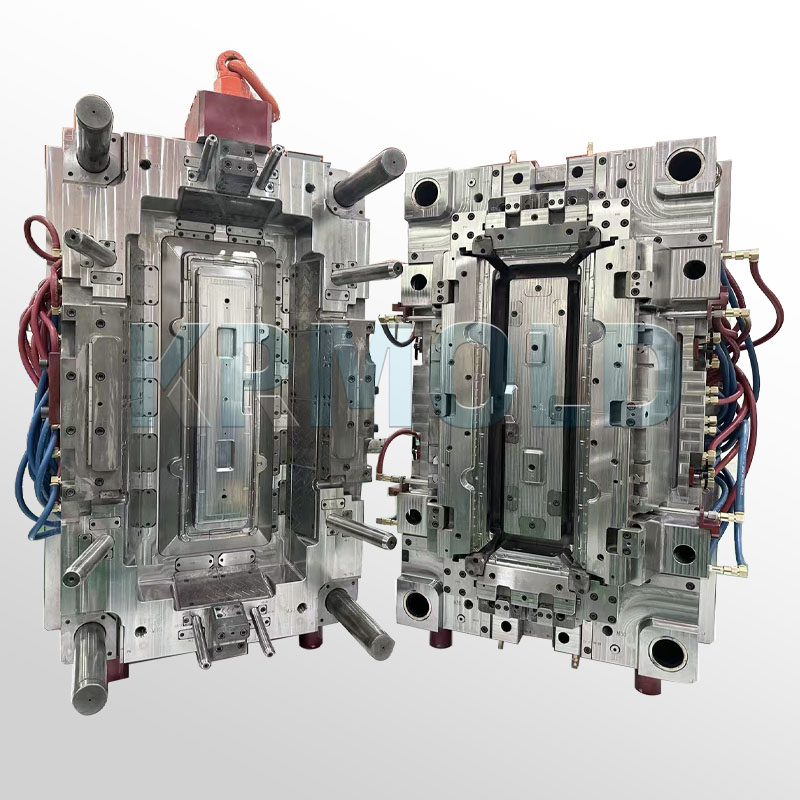
Optimized for High-Efficiency Mass Production
KRMOLD refrigerator injection mould focuses on optimizing molding cycles and upgrading for automation compatibility. It features uniform, wrap-around cooling channels positioned close to the cavity, ensuring comprehensive cooling coverage and significantly improved efficiency. Coupled with a stable ejection system utilizing a combination of ejector pins and blocks, the refrigerator mould enables rapid cooling and smooth part release, effectively shortening the molding cycle and boosting overall production line throughput to facilitate high-efficiency mass production.
Furthermore, the injection molds for refrigerator parts is equipped with an optimized lateral core-pulling mechanism, perfectly accommodating the integrated molding and smooth release of complex features—such as side holes, snap-fits, and irregular curved surfaces—without the need for manual demolding or trimming. By minimizing manual intervention, it is fully compatible with automated injection molding lines, ensuring stable, high-volume, standardized output capable of meeting the rigorous, high-frequency demands of the home appliance industry.
Significant Cost Reduction and Efficiency Gains
In terms of material utilization, the refrigerator plastic parts injection mold’s hot runner technology eliminates waste associated with traditional gating systems, while gas-assisted injection molding enables the production of lightweight, hollow parts; compared to standard molds, this saves 20%–40% in plastic raw materials, drastically cutting procurement costs.
Regarding equipment compatibility, the optimized mold design reduces filling resistance and clamping force requirements, allowing for stable production on lower-tonnage injection molding machines, which effectively lowers both equipment acquisition costs and energy consumption.
Furthermore, this refrigerator parts injection mould is constructed from high-hardness, wear-resistant mold steel and finished with precision fitting techniques. This ensures a low wear rate and extended service life, maintaining high-precision molding performance over the long term. The structural design—featuring balanced mold filling and stable cooling—significantly lowers defect rates and reduces downstream costs associated with mold adjustments, rework, and scrap loss.
Flexible Structural Design
KRMOLD refrigerator mould support flexible cavity layouts—ranging from single-cavity to multi-cavity configurations—allowing for customized solutions based on specific product structures and production capacity requirements.
Through precisely optimized core-pulling, ejection, and venting systems, these molds efficiently produce complex plastic refrigerator components, greatly enhancing design freedom for the final products.
Application of Refrigerator Parts Injection Mould
Quality Assurance
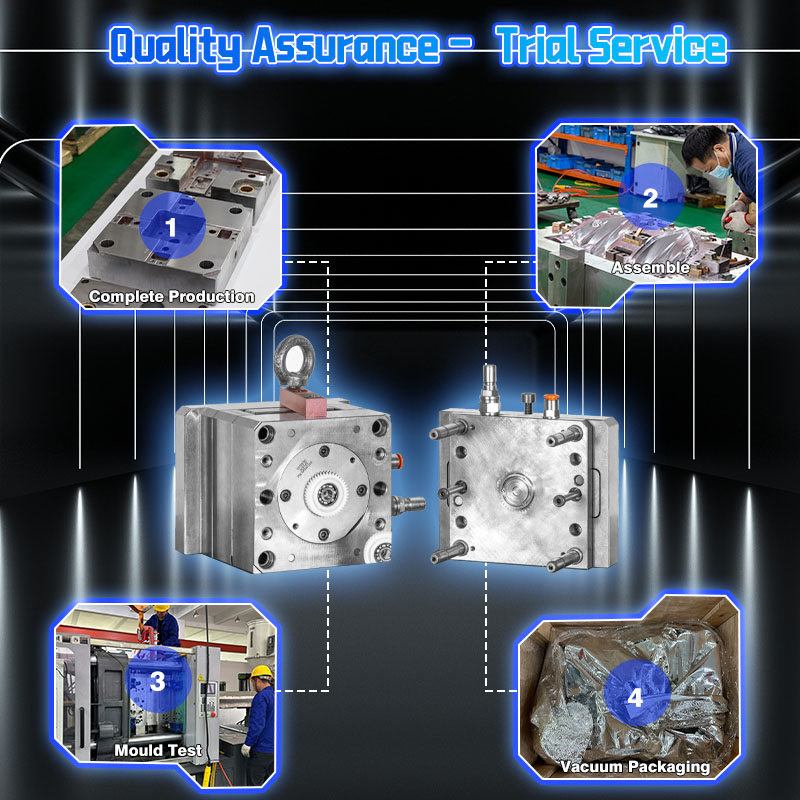
To ensure that every delivered refrigerator parts injection mould meets quality standards, KRMOLD has established a comprehensive, standardized quality inspection system for mold trials.
Following assembly, the technical team mounts the refrigerator plastic parts injection mold onto professional injection molding equipment for trials. Throughout the process, they monitor key parameters—such as filling status, injection pressure, melt flow, and mold temperature—in real-time to identify and address any potential production issues. After the trial, the molded parts undergo rigorous inspection for surface finish, dimensional accuracy, and structural integrity, ensuring the complete absence of defects such as air bubbles, cracks, short shots, or warping.
KRMOLD expert engineers precisely adjust injection parameters and mold structural details to resolve any issues encountered during trials. Through multiple rounds of testing and iterative optimization, the refrigerator injection mould is refined until it operates stably and the finished product fully meets quality standards; only then is the refrigerator parts injection mould approved for final acceptance and shipment.
Specify the type of plastic (e.g. PP, ABS) and post-processing requirements (e.g. spraying, silk-screen printing), and provide 2D or 3D plastic part drawings should be provided. At the same time, provide the production volume, appearance requirements, tolerance standards, etc.
Generally speaking, our engineers will start to prepare the quotation immediately after the customer provides the complete production requirements. Usually it takes about 1-3 days.
The lead time for regular injection molds is usually 30-60 days, and may be longer for complex molds. For example, the typical lead time for liquid silicone molds is around 60 days, covering design, manufacturing, mold testing, etc.
High-precision processing technology: High-precision equipment such as CNC machining centers (CNC) and electric discharge machining (EDM) are used to optimize the design process in combination with CAD/CAM software. Quality control: Inspection of key dimensions of the mold by Coordinate Measuring Machine (CMM) and verification of multiple sample batches during the trial molding stage. Material Selection: Use die steel with high wear resistance (e.g. H13, S136) and surface treatment (e.g. nitriding, chrome plating) for die nuts to extend the life.
After every 50,000 molds, check the guide pillar, ejector pin and other wear parts, and clean up the residual plastic and rust on the mold surface. Use high temperature grease for sliding parts (e.g. tilt top, slider) to reduce friction loss. Ensure that the water circuit is smooth and the temperature difference is ≤5℃ to avoid cracking of the mold due to thermal stress.
Mould cost of materials accounted for about 30-40% (such as 1 ton of P20 steel price of about 20,000 yuan), processing costs accounted for more than 50% (CNC labor hourly rate of about 80-150 yuan / hour). Small batch production can choose aluminum mold or simplify the structural design; more than 100,000 pieces is recommended to use carbide inserts to enhance life!
Mould injection products need to fully meet the design requirements (such as size, appearance), and can be continuous and stable production. Mold marking, inspection reports (such as material hardness test) and engineering drawings should be complete.
Mould steel (such as S136H, NAK80 and other imported materials cost more) and the type of mold embryo (aluminum mold short-term cost is low but short life) directly affect the cost, the use of CAD/CAE/CAM design technology, hot runner system, etc. will increase the upfront investment, but can enhance the long-term benefits (such as reducing the sprues, increase production capacity).