KRMOLD plastic chair injection molds can produce traditional and customized chair styles for a wide range of indoor and outdoor applications.
In the manufacturing process of plastic chair injection mould, KRMOLD pays close attention to the cycle time, parting line, wall thickness, and venting.
KRMOLD is dedicated to providing a complete range of plastic pallet injection molds, capable of producing pallets in various sizes for widespread use in everyday goods handling and product transportation in factories. KRMOLD plastic pallet injection mould not only meet market demands but also offer customized designs based on different customer application scenarios and handling conditions.
KRMOLD specializes in providing high-quality waste bin injection molds, capable of designing and manufacturing plastic trash bin injection molds for various capacities to meet specific project needs, including 32L, 45L, 60L, 80L, 120L, and 240L.
KRMODL can provide customers with a wide range of Logistic Packaging Injection Mold, according to the customer's product requirements for customized design of injection molds and the process of manufacturing injection molds, Logistic Packaging Injection Molds are used for the production of logistics and transportation required for the products. Logistic Packaging Injection Mold is a large-scale injection mold product.
KRMOLD is a professional injection mold manufacturer in China that can provide Food Packaging Injection Molds, which are designed to produce food packaging products with various specific shapes and functions. As an important injection molding tool, Food Packaging Injection Molds can produce food packaging products that meet food requirements. Welcome to contact us to get the latest design solutions
KRMOLD can provide customers with complete Thin-Wall Container Injection Molds solutions to manufacture injection molds that meet the production requirements of thin-walled products, such as disposable lunch box injection molds, electronic component packaging injection molds, and medical device injection molds.
KRMOLD thin wall container injection molds are characterized by high strength mold structure, precise process control and material innovation. Contact us for new injection molding solutions.
KRMOLD helps customers with complete injection mold design, production and after-sales services, and is able to provide customers with Cosmetic Container Injection Molds, which are used to produce molds for various cosmetic packaging containers. Injection molding technology is used to make plastic raw materials into specific shapes of packaging, such as bottles, jars, lids and so on.
KRMOLD provides Plastic Bottle Cap Injection Mould products to help customers solve the production and design problems of plastic bottle cap products, and to provide production efficiency and control production costs through the injection molding process. Welcome to contact KRMOLD
How Many Times Can You Use Plastic Fan Blade Injection Mould?
2026-04-29
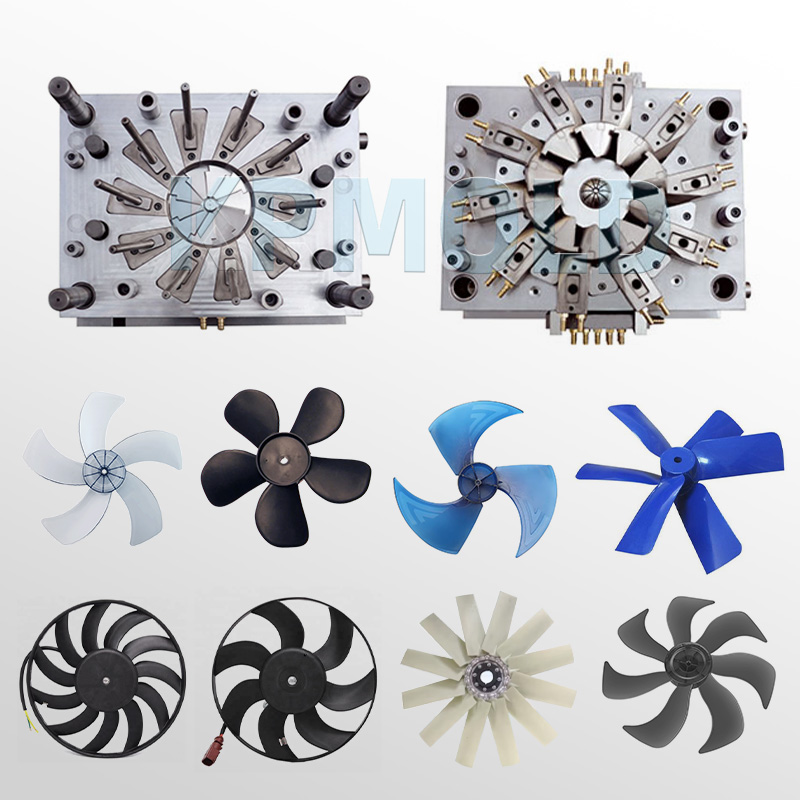
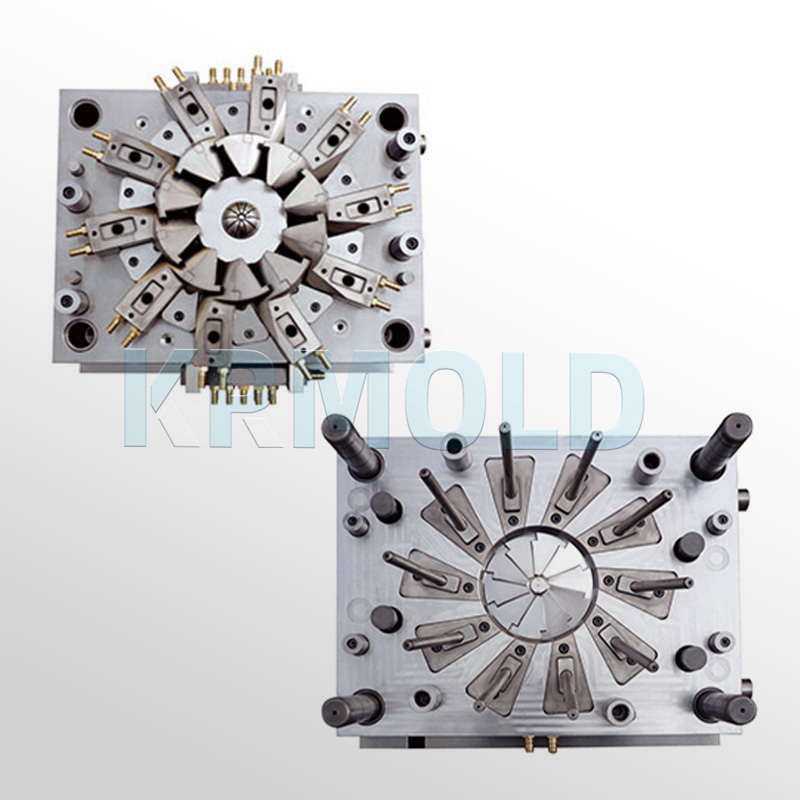
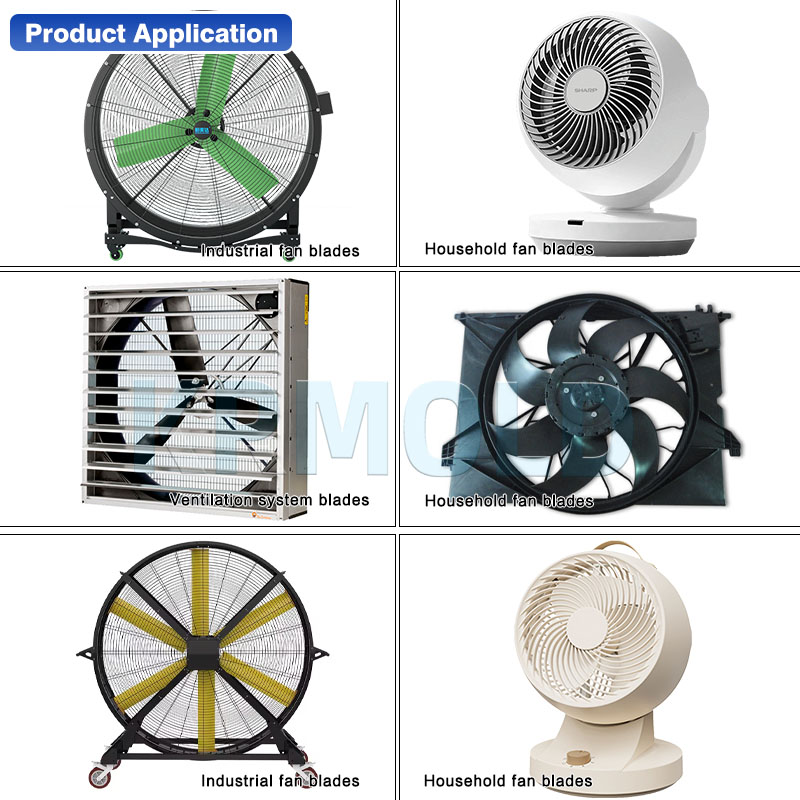
Plastic fan blade injection mould can precisely produce fan blades of different specifications and styles, and are widely used in the production of various fan products such as household fans, industrial fans, air conditioning fans, and cooling fans for new energy vehicles. Whether it's a small home appliance company or a large equipment manufacturer, the most important question when purchasing fan blade plastic injection molds and starting mass production is: how many times can plastic fan blade injection mould be reused?
As a professional fan blade plastic injection mold manufacturer and supplier, KRMOLD clearly states that there is no fixed standard for the number of times plastic fan blade injection mould can be reused. Their lifespan is affected by a combination of factors, including mold material, injection process parameters, mold installation and debugging quality, and daily maintenance. The number of uses can vary by several times under different conditions. This article will explain this in detail below.
Influence of Mold Material on Lifespan of Fan Blade Plastic Injection Molds
Currently, most ordinary fan blades on the market are made from common plastic raw materials such as ABS, PP, and PS. These materials are relatively soft and cause less wear on the plastic fan blade injection mould. Therefore, more cost-effective ordinary pre-hardened steel, such as P20 and 718, can be chosen as the mold material. After basic pre-hardening treatment, this type of steel can achieve a hardness of HRC28-32, possessing certain wear resistance and impact resistance, meeting the production requirements of ordinary fan blades.
If the fan blade plastic injection molds uses ordinary pre-hardened steels such as P20 and 718, and the mold design is reasonable, maintenance during production is proper, and there are no serious wear, collisions, or process errors, its reuse count is typically between 50,000 and 500,000 cycles.
If companies have higher quality requirements for fan blades and wish to further extend the service life of the plastic fan blade injection mould, they can choose high-hardness steels with better wear resistance, such as S136 and NAK80. These steels belong to high-end pre-hardened steel or mirror steel. After appropriate heat treatment and surface treatment (such as nitriding and polishing), the hardness can be increased to HRC45-55. S136 steel, after optimized heat treatment, can even reach a hardness of HRC50-57, possessing excellent wear resistance and corrosion resistance, effectively resisting the friction and erosion of molten plastic. Fan blade plastic injection molds made of this type of steel can be reused 500,000 to 1,000,000 times. This not only extends their service life but also ensures the smoothness and dimensional accuracy of the fan blade surface, reducing product defect rates.
Other Key Factors Affecting the Reusability of Plastic Fan Blade Injection Mould
Besides the core factor of mold material, the reusability of fan blade plastic injection molds is also affected by various factors such as injection molding process parameters, mold installation and debugging quality, and daily maintenance. These factors, though seemingly minor, directly determine the plastic fan blade injection mould' service life and may even lead to premature mold failure; therefore, they also require the attention of companies.
(1) The Influence of Injection Molding Process Parameters
The rationality of injection molding process parameters directly affects the stress and wear of the fan blade plastic injection mold. For example, excessively high injection pressure will cause the cavity and core of the plastic fan blade injection mould to bear excessive load, leading to mold deformation and accelerated cavity wear over time. Insufficiently low mold temperature will increase the flow resistance of the plastic melt, requiring higher injection pressure to complete filling, which will also increase the stress on the fan blade plastic injection mold. Excessively long holding time will cause the mold to be under high pressure for a prolonged period, accelerating plastic fan blade injection mould fatigue damage. Conversely, excessively high injection speed will cause the plastic melt to impact the mold cavity at high speed, especially the gate area, easily leading to severe localized wear.
Therefore, when using fan blade plastic injection molds for production, companies should reasonably set the injection process parameters according to the raw material, size, thickness, and other parameters of the fan blades to avoid damage to the mold caused by excessively high or low parameters.
(2) The Impact of Fan Blade Plastic Injection Mold Installation and Debugging Quality
The installation and debugging quality of the plastic fan blade injection mould directly affects whether the mold is subjected to uniform stress and whether its operation is smooth, thus affecting its service life. If the fan blade plastic injection mold is not accurately positioned or securely fixed during installation, it may wobble or shift during injection molding, leading to uneven stress on the cavity, guide pillars, and ejector pins. This can cause wear, deformation, or even breakage. During debugging, if the clearance between ejector pins and push plates is too large, the product may stick to the plastic fan blade injection mould, and forced demolding will scratch the cavity. If the clearance is too small, jamming and wear may occur. All of these factors shorten the reusability of the fan blade plastic injection mold.
(3) Impact of Routine Maintenance
Routine maintenance of plastic fan blade injection mould mainly includes:
- Regular mold cleaning: After each production run, promptly clean plastic residue from the cavity, gate, venting channels, etc., to prevent residue accumulation that could lead to plastic fan blade injection mould wear or corrosion. Use a copper brush or soft cloth for cleaning, avoiding the use of steel tools to scratch the fan blade plastic injection mold surface.
- Regular lubrication: Regularly apply high-temperature grease to moving parts such as guide pillars, ejector pins, and sliders to ensure smooth movement and reduce wear.
- Regular inspection: Regularly inspect key parts of the plastic fan blade injection mould, such as the cavity, core, guide pillars, and ejector pins, to promptly identify and repair wear, deformation, cracks, and other problems, preventing minor issues from escalating.
- Rust prevention: If the fan blade plastic injection mold is not used for a long period, apply rust-preventive oil to the surface of the cavity and core, wrap it in plastic wrap, and store it in a dry, ventilated environment to prevent rust.
For more information on the selection, use, and maintenance of plastic fan blade injection mould, please contact KRMOLD directly. We will send a professional staff member to provide you with comprehensive services.