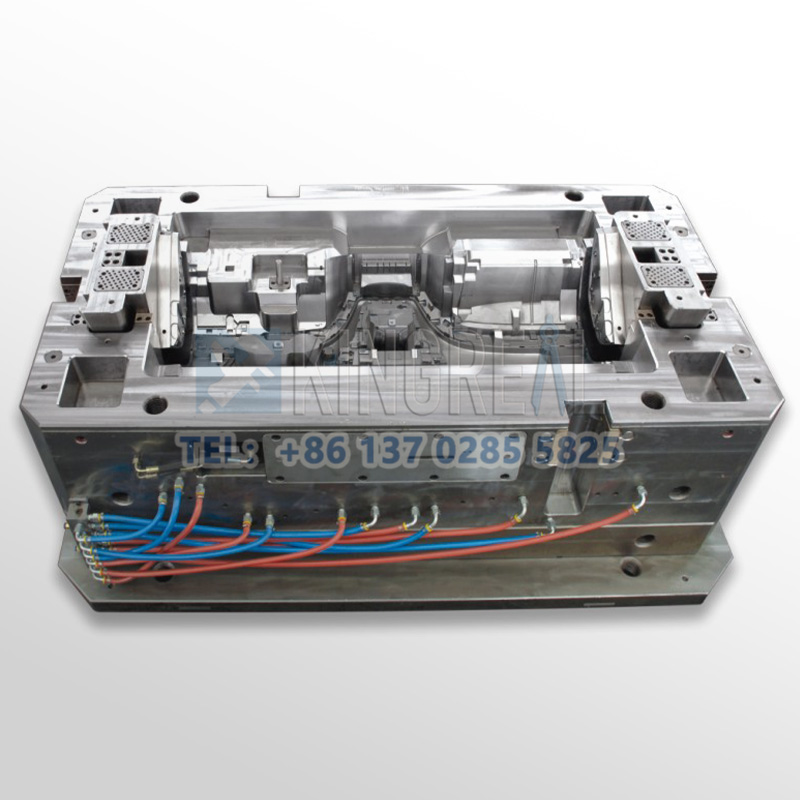
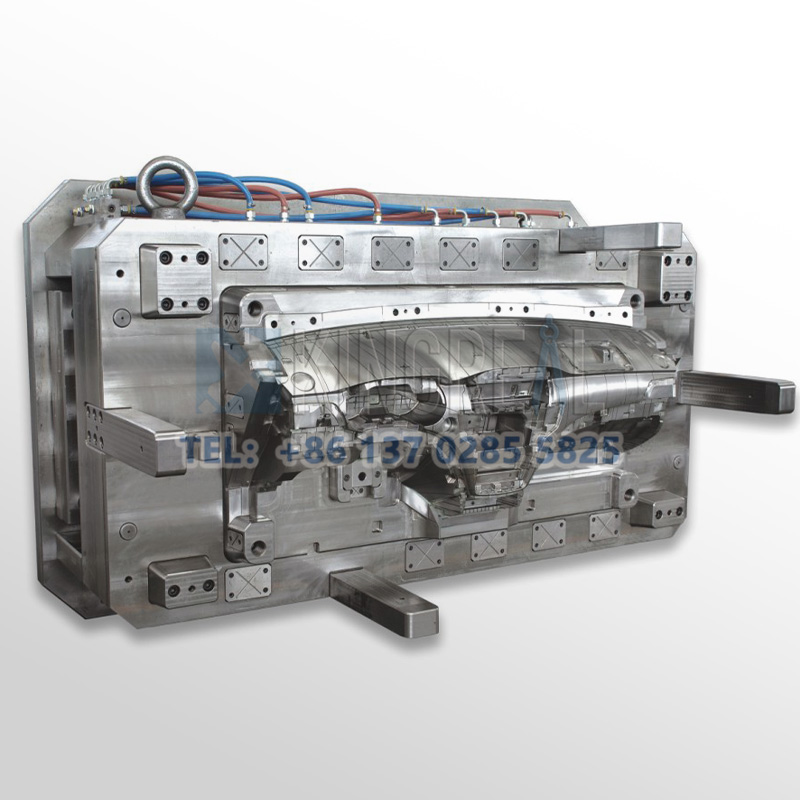
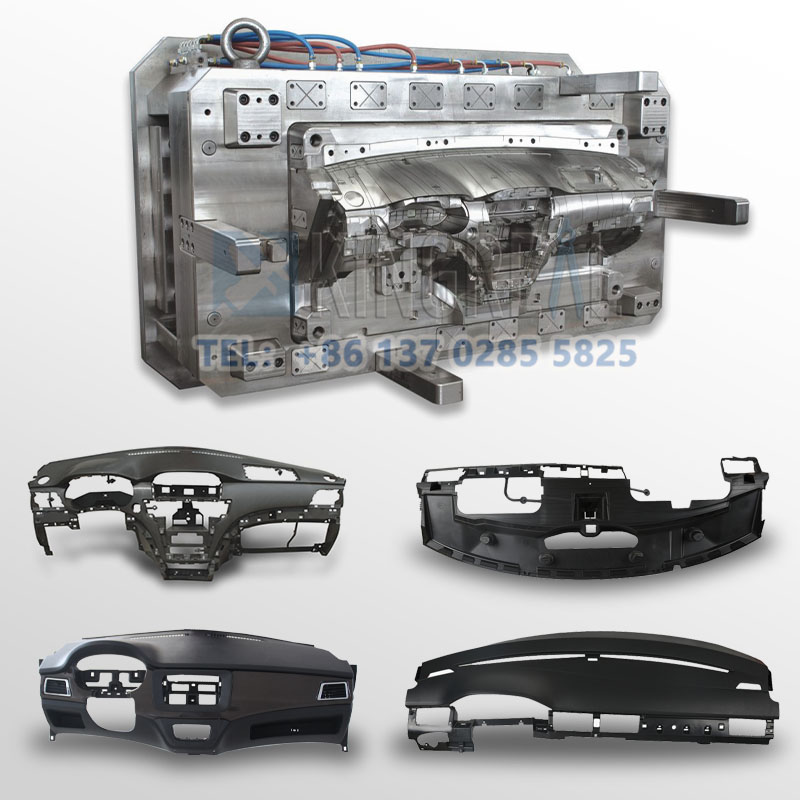
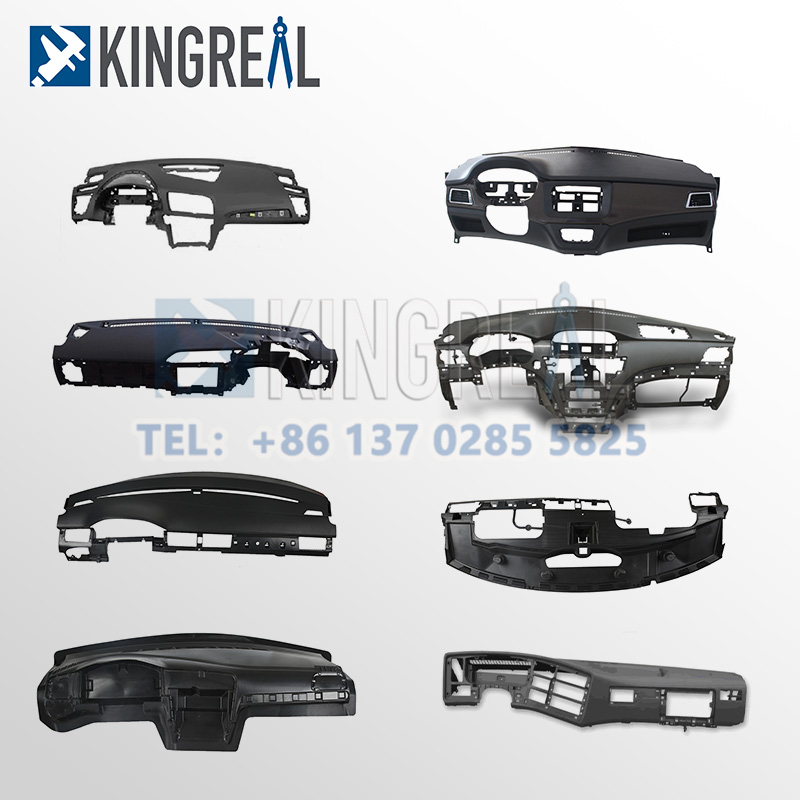
Definition of Automotive Instrument Panel Mold
● ● ● ● ●
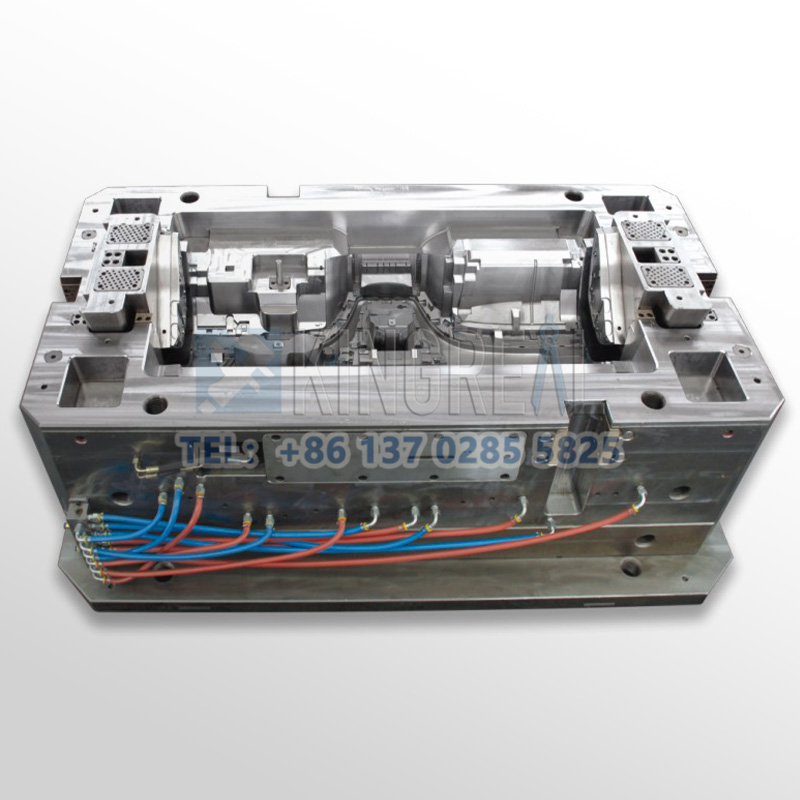
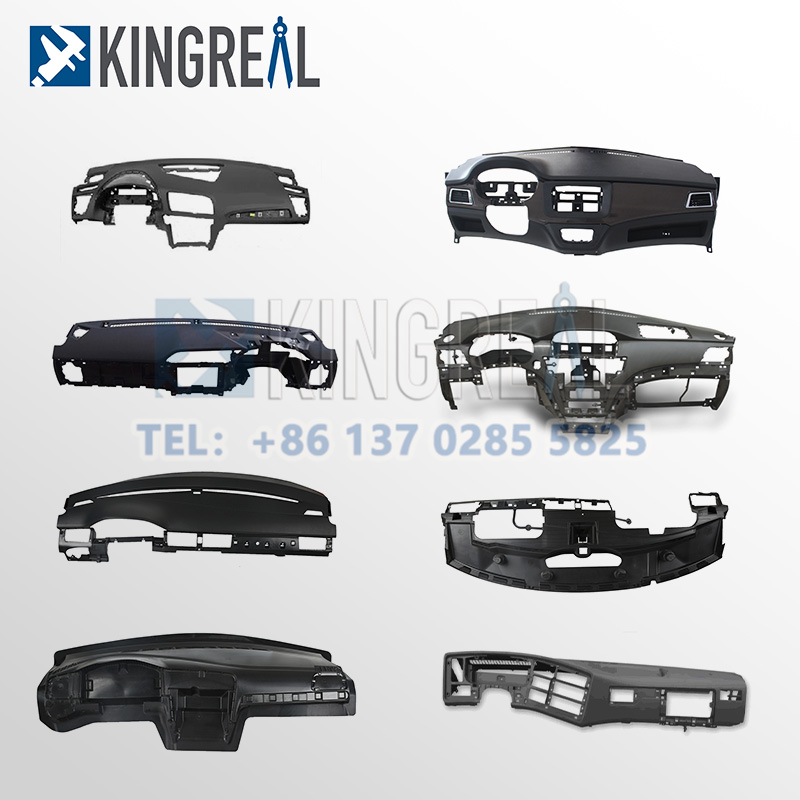
Automotive instrument panel molds determines the quality of the auto instrument panel. Automotive instrument panels produced using high-quality auto instrument panel injection molds combine safety, functionality, comfort, and aesthetic appeal, and are widely utilized across various automotive manufacturing scenarios. To continuously optimize the surface quality of plastic products, significantly enhance overall product quality, and effectively shorten production cycles, KRMOLD remains deeply committed to the field of automotive instrument panel molds. KRMOLD constantly innovate and advance our auto instrument panel injection mold design and manufacturing technologies, striving to provide our clients with highly competitive automotive instrument panel mold solutions. As a leading manufacturer and supplier of advanced auto instrument panel injection molds, KRMOLD has dedicated over two decades to the industry, specializing in the R&D, design, production, and sales of automotive instrument panel molds. KRMOLD are steadfast in our commitment to providing global automotive manufacturers with precision auto instrument panel injection molds that offer both superior quality and cost-effectiveness. KRMOLD operates a manufacturing facility in Guangdong, China, staffed by a professional production team and supported by a comprehensive service system. KRMOLD are ready to respond to client needs at any time, offering end-to-end services ranging from mold design, trial molding, and mass production to after-sales maintenance. If you require a custom-tailored automotive instrument panel mold designed specifically for your vehicle model, we invite you to contact KRMOLD immediately; leveraging our professional expertise and extensive experience, we will craft a bespoke auto instrument panel injection mold solution tailored precisely to your requirements.
Parameters of Automotive Instrument Panel Mold
● ● ● ● ●
| Mold Material | Steel |
| Product | Auto Instrument Panel Injection Mold |
| Minimum Order Quantity (MOQ) | 1 Set |
| Product Material | Plastic |
| Runner System | Hot Runner |
| Cavity Count | Single Cavity |
| Surface Finish | Polishing / Texturing (Customizable upon request) |
| Logo Customization | Supported |
Automotive Instrument Panel Mold Manufacturing Process Flow
● ● ● ● ●
Rough Machining & Pre-treatment — Heat Treatment & Precision Machining — High-Speed CNC Milling — EDM — Wire Cutting — Deep Hole Drilling — Grinding — Surface Treatment & Special Processes — Texture Etching — Polishing — Surface Hardening — Component Precision Inspection — Mold Assembly & Testing
Automotive Instrument Panel Mold Design
● ● ● ● ●
During the design process for auto instrument panel injection molds, KRMOLD comprehensively integrates factors such as installation requirements, operating environments, and material properties to ensure—from every angle—the optimal molding performance of the finished automotive instrument panel. Automotive dashboard plastic components feature complex structures that integrate numerous mounting points; furthermore, they demand extremely high dimensional precision, as even the slightest deviation could compromise subsequent assembly processes and operational safety. Specifically, the latching areas of the dashboard serve as critical load-bearing points; therefore, it is imperative to precisely design resin-reduction grooves in these zones. This measure effectively prevents surface defects—such as sink marks and depressions—on the plastic component, thereby safeguarding both the structural integrity of the latch connections and the aesthetic quality of the part. Furthermore, as a core visible component within the vehicle interior, the dashboard's exposed surface must be entirely free of defects such as spots, gate marks, sinkholes, and weld lines. These stringent requirements place exceptionally high demands on the design of auto instrument panel injection molds.
●Hot Runner System for Auto Instrument Panel Injection Molds
Given the complex structural characteristics of automotive dashboards and the rigorous aesthetic standards they must meet, all automotive instrument panel molds manufactured by KRMOLD incorporate advanced hot runner systems. Due to the dashboard's massive dimensions and intricate structure—coupled with the significant elevation differences across the parting lines of the auto instrument panel injection mold —the flow of molten plastic during the mold-filling process becomes notably challenging, often leading to issues such as uneven filling and prominent weld lines. After extensive analysis and rigorous testing—taking into account the structural features of the plastic component, material properties (such as the flowability of PC/ABS and the shrinkage rate of modified PP), surface quality requirements, and mass production characteristics—the KRMOLD technical team opted for a two-point sequential valve gating scheme utilizing a hot runner system. This solution not only effectively enhances the flowability of the molten plastic during injection—thereby improving the filling effect and ensuring the melt uniformly fills the entire mold cavity—but also completely eliminates the waste generated by solidified plastic within the runner system after injection. Consequently, material utilization efficiency is boosted to over 95%, while the molding cycle is significantly shortened, leading to a substantial increase in production efficiency and the realization of eco-friendly, high-efficiency manufacturing.
●Ejector Pin Configuration for Auto Instrument Panel Injection Molds
To address the challenges posed by the dashboard's significant elevation differences and its extensive rib structure, the KRMOLD technical team implemented a strategic configuration of ejector pins within the mesh-like areas of the moving mold. This measure is designed to prevent the vacuum suction phenomenon—which can occur when air becomes trapped and cannot be effectively vented during the mold-filling process—thereby averting defects such as deformation or incomplete filling in the dashboard. By cleverly utilizing the minute gaps between the ejector pins and the moving mold as natural venting channels, this configuration ensures the smooth evacuation of air from the mold cavity during the filling process, thereby guaranteeing the consistent quality of the molded dashboard.
●A Practical and Stable Auto Instrument Panel Injection Mold Solution
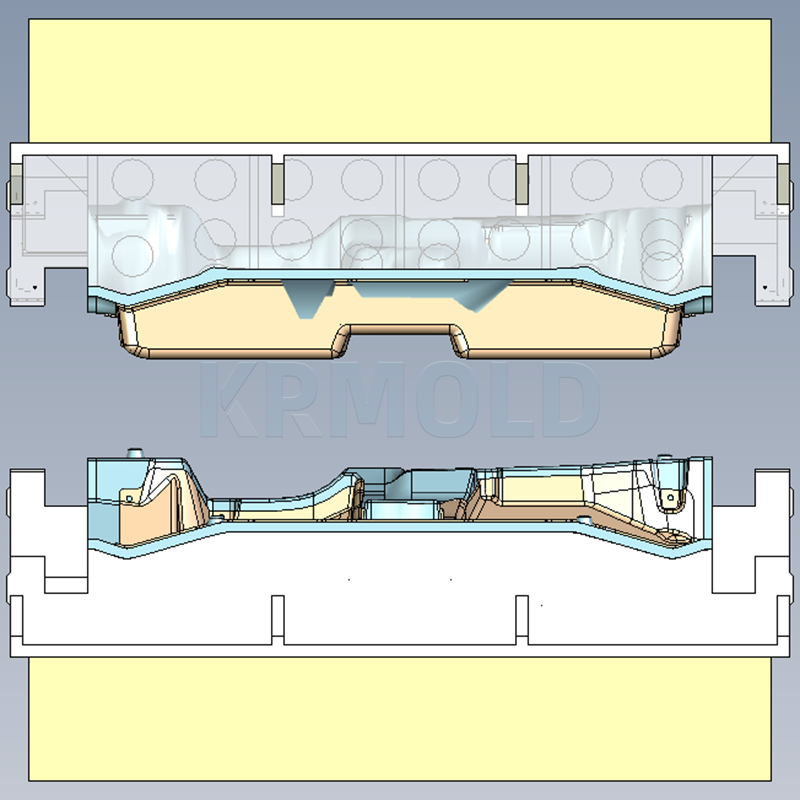
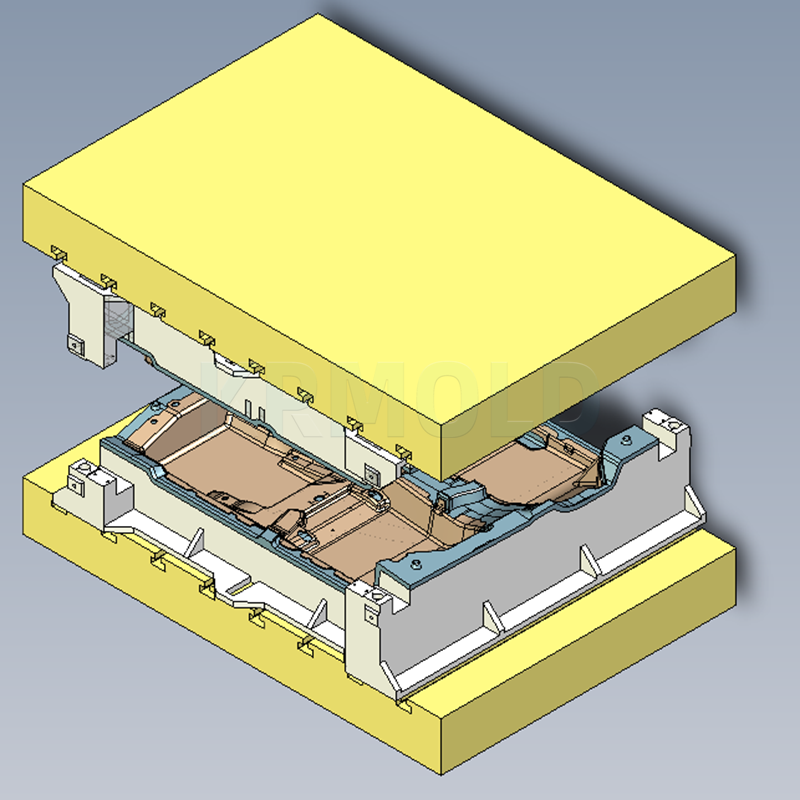
Regarding the structural design of the automotive instrument panel mold, large sliders are employed on both sides of the dashboard to flexibly accommodate its lateral contours and undercuts, thereby ensuring smooth demolding. A large ejector block is positioned in the central section of the core side to effectively handle the complex geometry of the dashboard's middle area, preventing scratches or deformation during the demolding process. Specifically for the airbag mounting locations, a specialized accelerated ramp structure is designed—alongside a focused counter-ejection mechanism—to effectively prevent the plastic part from sticking to the auto instrument panel injection mold. This ensures the precision and structural integrity of the airbag mounting points, thereby contributing to overall vehicle safety.
●Cooling System Design for Automotive Instrument Panel Mold
Given the significant variations in thickness and depth inherent in automotive dashboard products, conventional cooling methods often struggle to achieve uniform cooling. To enhance cooling efficiency and boost production throughput, KRMOLD has designed the cooling channels for this auto instrument panel injection mold to follow a conformal cooling layout that traces the specific contours of the product. These channels precisely align with the dashboard's curved surfaces and varying thickness zones, ensuring uniform cooling and minimizing product shrinkage and deformation. Implementing this conformal cooling layout requires a 5-axis deep-hole drilling process; by leveraging the precise positioning capabilities of 5-axis simultaneous machining technology, potential machining interference is effectively avoided. This ensures the accuracy and smoothness of the cooling channels, further boosting cooling efficiency and shortening the molding cycle time.
Features of Automotive Instrument Panel Mold
● ● ● ● ●
1. Prominent Large-Scale Structural Characteristics.
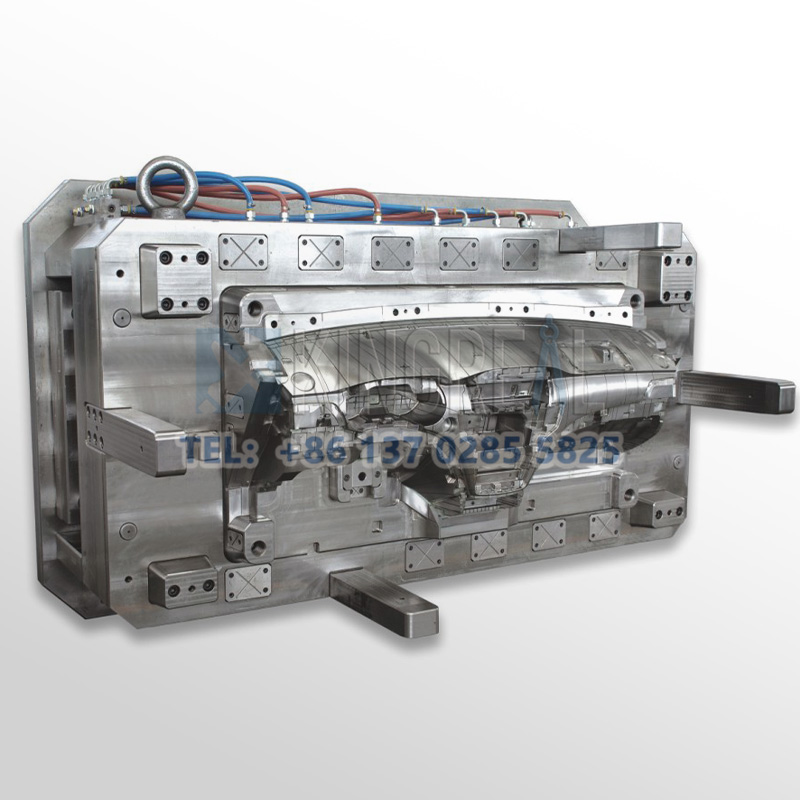
As the dashboard is classified as a large-format interior plastic component, the corresponding automotive instrument panel mold exhibits distinct characteristics: massive external dimensions and substantial overall weight. During the production process, this auto instrument panel injection mold must be paired with a large-tonnage injection molding machine. Consequently, the automotive instrument panel mold's overall structural design must fully satisfy the rigorous rigidity and strength requirements associated with such heavy-duty equipment. By utilizing high-strength, pre-hardened plastic mold steel—subjected to precision machining and heat treatment—potential issues such as mold deformation or misalignment during the molding process are effectively prevented, thereby ensuring the stability of mass production.
2. Complex and Precise Cavity Structure.
The surface of the automotive dashboard integrates a multitude of functional features—including air vent mounting points, display screen slots, button recesses, and wiring harness pass-through holes—and features numerous irregular lateral contours and undercuts. As a result, the flow path of the molten plastic within the mold cavity is exceptionally long, leading to significant flow resistance during the injection process. This imposes extremely stringent requirements on the molding precision, surface finish, and venting system design of auto instrument panel injection mold cavities. Through digital design and precision machining, KRMOLD ensures that cavity dimensional tolerances are controlled within ±0.01 mm and that surface finish standards are met; furthermore, by incorporating an optimized venting system, we effectively resolve all mold-filling challenges.
3. Compliance with Strict Aesthetic Requirements.
As a core visible interior component, the surface of an automotive dashboard often requires decorative finishes—such as leather grain textures or matte effects—to enhance the vehicle's interior quality. Consequently, the automotive instrument panel mold cavity must undergo simultaneous, fine-grained texturing processes to ensure high fidelity and consistency in texture replication. Additionally, to prevent damage to the surface texture during the demolding process, KRMOLD strictly controls the draft angle of the dashboard injection molds (typically ≥5°). By combining this with high-quality ejection mechanisms, we guarantee that every dashboard produced during mass manufacturing is aesthetically flawless and meets all consistency standards.
4. Requirements for Highly Stable Operation.
In the context of industrialized mass production within the automotive sector, auto instrument panel injection molds must withstand the impact of high-frequency mold opening and closing cycles—potentially reaching thousands of cycles per day. This places rigorous demands on critical performance metrics, such as the precision of the automotive instrument panel mold's guiding and positioning systems, as well as the wear resistance of key components. KRMOLD addresses these demands by reinforcing auto instrument panel injection mold structural designs, selecting premium wear-resistant mold steels, and applying surface nitriding treatments. These measures enhance the wear resistance and service life of critical automotive instrument panel mold components, thereby ensuring the long-term, stable operation of the auto instrument panel injection molds. This effectively reduces automotive instrument panel mold failure rates, safeguards production efficiency and product yield, and ultimately lowers production costs for our clients.
Applications of Automotive Instrument Panel Mold
● ● ● ● ●
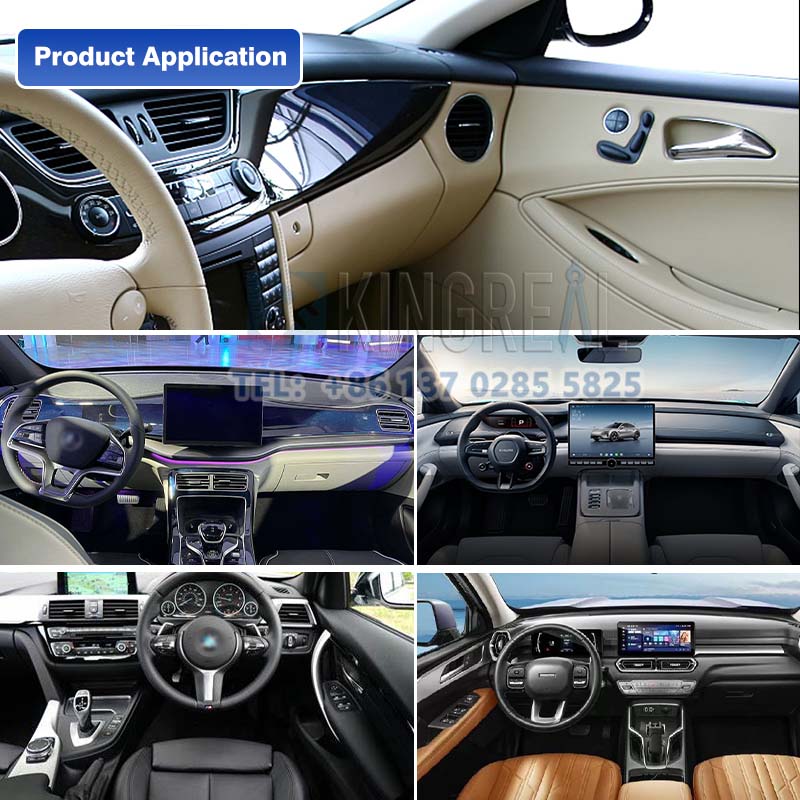
Auto instrument panel injection molds are widely utilized in the mass production of dashboards for a diverse range of passenger vehicles and commercial vehicles. Our solutions comprehensively cover the entire spectrum of vehicle types—including traditional fuel-powered vehicles and new energy vehicles (such as pure electric and hybrid models). Leveraging our flexible customization capabilities, we effectively meet the specific production requirements of various vehicle models and market segments.
1) KRMOLD offers customized structural designs for automotive instrument panel molds
Tailored specifically to the structural requirements of different vehicle models. This ensures a perfect fit for the production of a wide array of vehicle types, including compact sedans, SUVs, MPVs, and medium-to-heavy-duty trucks.
2) In alignment with the evolving trends of automotive intelligence and connectivity
The auto instrument panel injection molds produced by KRMOLD are capable of simultaneously integrating functional zones—such as ambient light slots, mounting points for wireless charging modules, and sensor mounting structures—within a single automotive instrument panel mold. This one-mold forming approach significantly reduces subsequent assembly steps; it not only boosts production efficiency but also enhances the assembly precision of the dashboard, thereby eliminating potential deviations that might otherwise arise during the assembly process.
3) For luxury vehicle models
KRMOLD optimizes the design and machining processes of auto instrument panel injection molds to realize high-end features—such as high-precision surface texturing and seamless structural integration. By utilizing age-hardenable mold steels, we guarantee superior surface aesthetics and assembly precision, thereby meeting the exacting quality standards demanded by luxury automobiles. Conversely, for mass-market models, we optimize automotive instrument panel mold structures, streamline machining operations, and select cost-effective mold materials to facilitate low-cost, high-volume production, effectively satisfying the demands of large-scale market segments.
Specify the type of plastic (e.g. PP, ABS) and post-processing requirements (e.g. spraying, silk-screen printing), and provide 2D or 3D plastic part drawings should be provided. At the same time, provide the production volume, appearance requirements, tolerance standards, etc.
Generally speaking, our engineers will start to prepare the quotation immediately after the customer provides the complete production requirements. Usually it takes about 1-3 days.
The lead time for regular injection molds is usually 30-60 days, and may be longer for complex molds. For example, the typical lead time for liquid silicone molds is around 60 days, covering design, manufacturing, mold testing, etc.
High-precision processing technology: High-precision equipment such as CNC machining centers (CNC) and electric discharge machining (EDM) are used to optimize the design process in combination with CAD/CAM software. Quality control: Inspection of key dimensions of the mold by Coordinate Measuring Machine (CMM) and verification of multiple sample batches during the trial molding stage. Material Selection: Use die steel with high wear resistance (e.g. H13, S136) and surface treatment (e.g. nitriding, chrome plating) for die nuts to extend the life.
After every 50,000 molds, check the guide pillar, ejector pin and other wear parts, and clean up the residual plastic and rust on the mold surface. Use high temperature grease for sliding parts (e.g. tilt top, slider) to reduce friction loss. Ensure that the water circuit is smooth and the temperature difference is ≤5℃ to avoid cracking of the mold due to thermal stress.
Mould cost of materials accounted for about 30-40% (such as 1 ton of P20 steel price of about 20,000 yuan), processing costs accounted for more than 50% (CNC labor hourly rate of about 80-150 yuan / hour). Small batch production can choose aluminum mold or simplify the structural design; more than 100,000 pieces is recommended to use carbide inserts to enhance life!
Mould injection products need to fully meet the design requirements (such as size, appearance), and can be continuous and stable production. Mold marking, inspection reports (such as material hardness test) and engineering drawings should be complete.
Mould steel (such as S136H, NAK80 and other imported materials cost more) and the type of mold embryo (aluminum mold short-term cost is low but short life) directly affect the cost, the use of CAD/CAE/CAM design technology, hot runner system, etc. will increase the upfront investment, but can enhance the long-term benefits (such as reducing the sprues, increase production capacity).