KRMOLD plastic chair injection molds can produce traditional and customized chair styles for a wide range of indoor and outdoor applications.
In the manufacturing process of plastic chair injection mould, KRMOLD pays close attention to the cycle time, parting line, wall thickness, and venting.
KRMOLD offers a diverse range of refrigerator parts injection mould capable of producing components such as drawers, egg trays, door liners, handles, door frames, and fridge lower vent frames, fully covering the molding needs for both interior and exterior plastic parts.
KRMOLD is dedicated to providing a complete range of plastic pallet injection molds, capable of producing pallets in various sizes for widespread use in everyday goods handling and product transportation in factories. KRMOLD plastic pallet injection mould not only meet market demands but also offer customized designs based on different customer application scenarios and handling conditions.
KRMOLD specializes in providing high-quality waste bin injection molds, capable of designing and manufacturing plastic trash bin injection molds for various capacities to meet specific project needs, including 32L, 45L, 60L, 80L, 120L, and 240L.
KRMODL can provide customers with a wide range of Logistic Packaging Injection Mold, according to the customer's product requirements for customized design of injection molds and the process of manufacturing injection molds, Logistic Packaging Injection Molds are used for the production of logistics and transportation required for the products. Logistic Packaging Injection Mold is a large-scale injection mold product.
KRMOLD is a professional injection mold manufacturer in China that can provide Food Packaging Injection Molds, which are designed to produce food packaging products with various specific shapes and functions. As an important injection molding tool, Food Packaging Injection Molds can produce food packaging products that meet food requirements. Welcome to contact us to get the latest design solutions
KRMOLD can provide customers with complete Thin-Wall Container Injection Molds solutions to manufacture injection molds that meet the production requirements of thin-walled products, such as disposable lunch box injection molds, electronic component packaging injection molds, and medical device injection molds.
KRMOLD thin wall container injection molds are characterized by high strength mold structure, precise process control and material innovation. Contact us for new injection molding solutions.
KRMOLD helps customers with complete injection mold design, production and after-sales services, and is able to provide customers with Cosmetic Container Injection Molds, which are used to produce molds for various cosmetic packaging containers. Injection molding technology is used to make plastic raw materials into specific shapes of packaging, such as bottles, jars, lids and so on.
Which Plastic is Used in Plastic Plug Socket Injection Mold?
2025-12-11
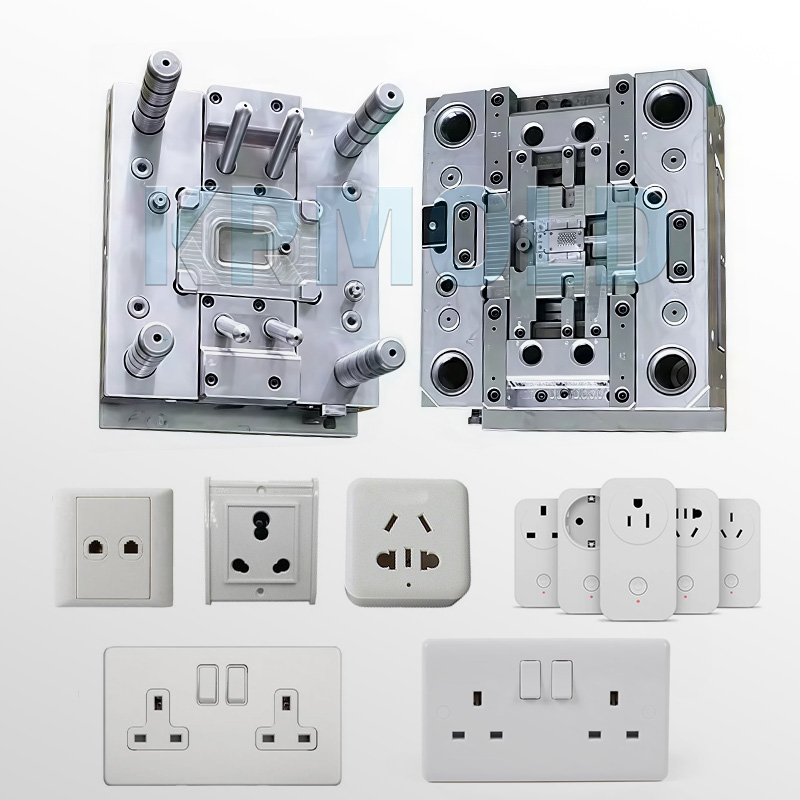
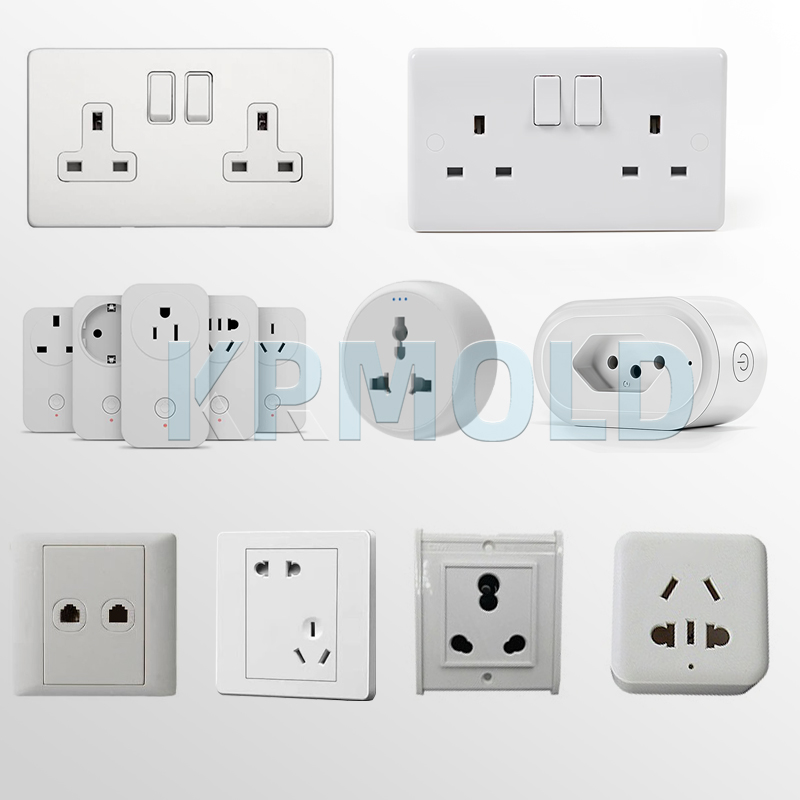
As the terminal interface for electrical power transmission, sockets not only affect electrical safety but also directly impact user experience. Plastic plug socket injection mold, an efficient production method, can significantly improve the production efficiency and quality of sockets. This article will delve into the "plastics used in switch socket plastic injection molds," analyzing the importance of plastic plug socket injection molds and the necessity of the materials used.
Introduction to Switch Socket Plastic Injection Molds
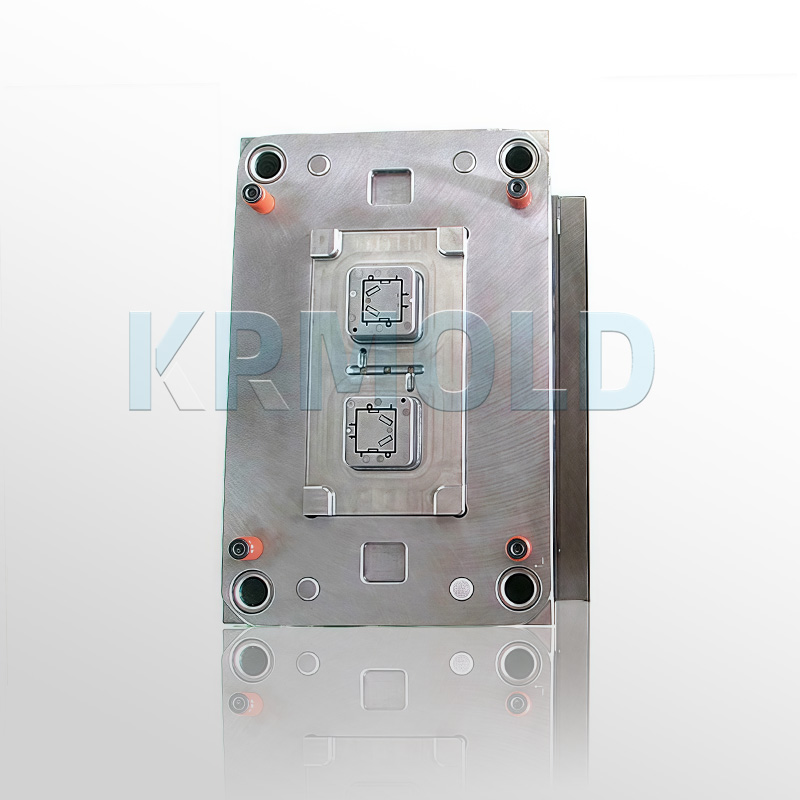
Plastic plug socket injection molds are crucial equipment for the mass production of plastic sockets. By injecting molten plastic into the switch socket plastic injection mold, which then cools and solidifies, the socket shell is formed. Plastic plug socket injection mold offers advantages such as high efficiency, low cost, and adaptability to complex shapes.
According to statistics, over 300 million plastic plug sockets are consumed globally each year, with nearly 80% produced using switch socket plastic injection molds. These plastic plug socket injection molds are painstakingly created to guarantee a perfect fit between the plug and socket by limiting socket hole spacing tolerances within ±0.02mm. Moreover, the switch socket plastic injection molds have a lifespan of 800,000 to 1,000,000 cycles; the molding cycle is usually shortened to under 20 seconds.
In terms of safety, plastic plug socket injection molds must meet the shockproof standards of each region to ensure user electrical safety. Meanwhile, the surface treatment standards of the switch socket plastic injection mold are also crucial. Between 0.8 and 1.6 μm, the Ra value of the matte texture should be regulated to enhance aesthetics and tactile feel. In essence, the plastic plug socket should strike design and manufacturing efficiency, safety, and utility as a critical electrical interface in modern homes and industrial equipment during switch socket plastic injection mold.
Plastic Plug Socket Injection Mold Materials and Surface Treatment Technology
The choice of switch socket plastic injection mold material directly affects its service life and the quality of the final product. Commonly used mold materials and their treatment methods include:
Component
Preferred Material
Heat Treatment
Surface Treatment
Cavity/Core
S136 Mirror Steel
Vacuum Quenching HRC48-52
Nano PVD Coating
Slide Rail
8407 Hot Work Steel
Nitriding (0.1mm layer)
TD Treatment
Ejector Pin
SKD61
Cryogenic Treatment
DLC Coating
This meticulous material selection and treatment technology ensures that the plastic plug socket injection mold is not only wear-resistant but also guarantees a smooth and uniform plastic plug socket, meeting the product's appearance requirements.
Importance of Plastic Selection for Switch Socket Plastic Injection Molds
The plastic material used in plastic plug socket injection molds is a core factor determining the quality of the socket shell. Here are some commonly used plastic materials and their characteristics:
1
Polycarbonate (PC)
This material has high transparency and excellent impact resistance and heat resistance. It is often used in high-end socket products to ensure that it is not easily broken under high temperatures and severe impacts. Apart from great electrical insulation qualities and mechanical strength, this material resists certain temperature variations, hence appropriate for extended use. For instance, household outlets' design calls for prioritizing personal safety and electrical performance; hence using polycarbonate material will really improve the general quality of the outlet. Furthermore meeting the aesthetic and use needs of several consumer segments is the range of PC material in terms of color, texture, and other surface treatments.
2
Nylon (PA)
Nylon is a material with high strength and abrasion resistance, making it particularly suitable for manufacturing durable sockets. It can maintain good mechanical properties during long-term use.
3
Polypropylene (PP)
PP material has excellent chemical resistance and electrical insulation properties, and is widely used in economical sockets. Its lightweight and low cost make the production process more economical.
Different kinds of sockets have varying material and production process functional requirements. For instance, plastics with great heat resistance are usually chosen by those for sockets needing high temperature resistance and flame retardancy. These sockets usually demand accurate manufacturing using plastic plug socket injection molds to guarantee elaborate forms and structures.
2. Cost Considerations
The cost of materials and manufacturing processes directly affect the pricing of the final product. When selecting plastic materials, it is necessary to comprehensively consider the price of different materials, processing costs, and market demand. For example, for some high-end products, although the materials chosen may be more expensive, their superior performance and market acceptance make the investment worthwhile.
3. Environmental Requirements
The application environment of the socket significantly influences material selection. In harsh industrial environments, corrosion-resistant and wear-resistant materials should be prioritized, and appropriate manufacturing processes should be adopted to enhance the durability of the socket. In this case, materials that can withstand moisture and high temperatures are particularly important.
Careful material selection, reasonable design, and excellent manufacturing processes are key to ensuring the quality of sockets. For more information about switch socket plastic injection molds, or if you have any questions about material selection, please feel free to contact KRMOLD. KRMOLD is dedicated to providing you with professional advice and services.