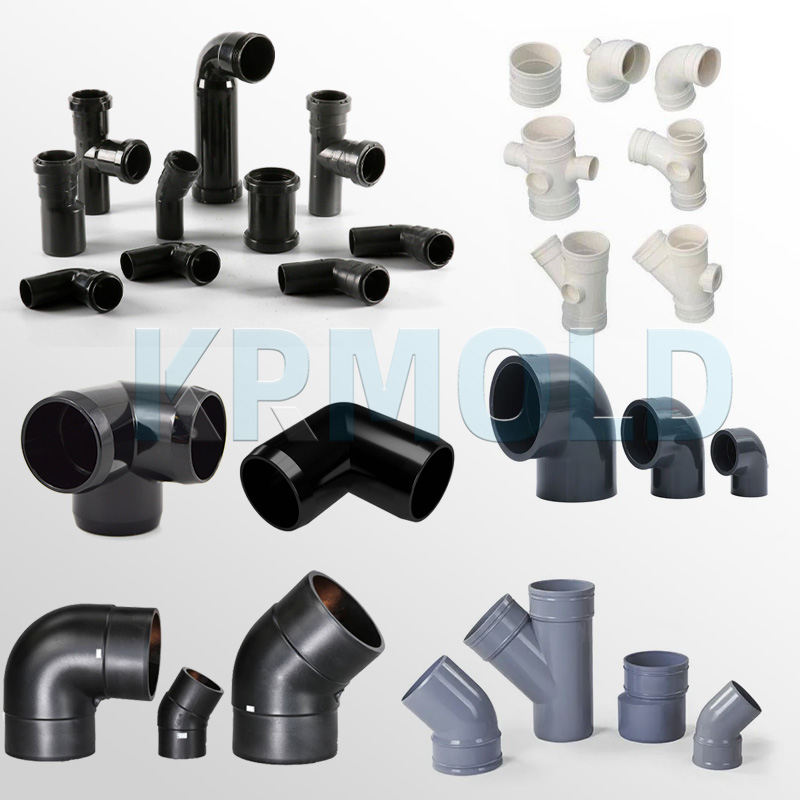
Video About Pipe Elbow Mould
● ● ● ● ●
Introduction to Pipe Elbow Mould
● ● ● ● ●
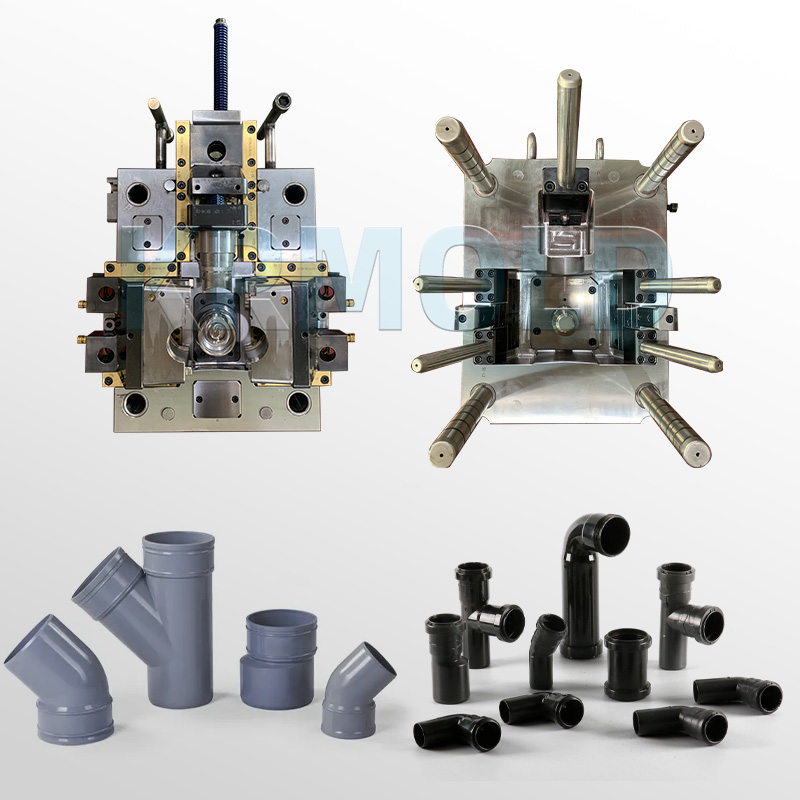
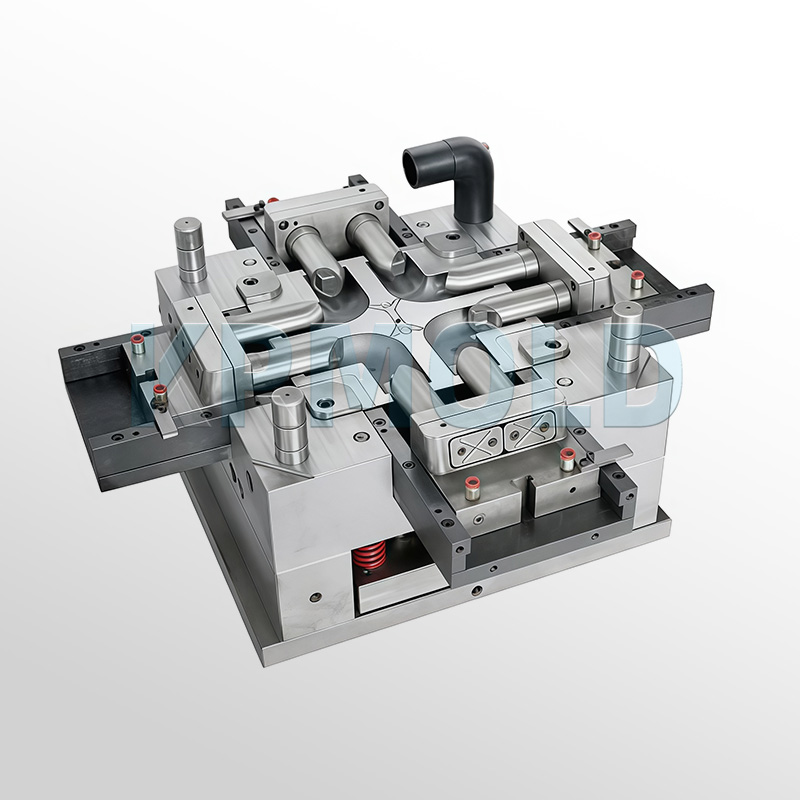
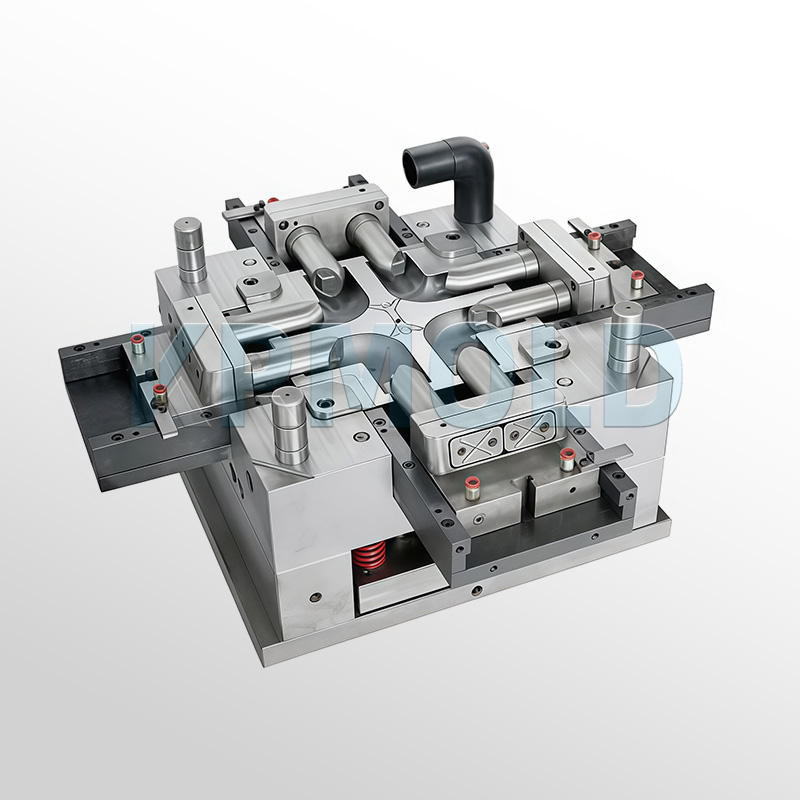
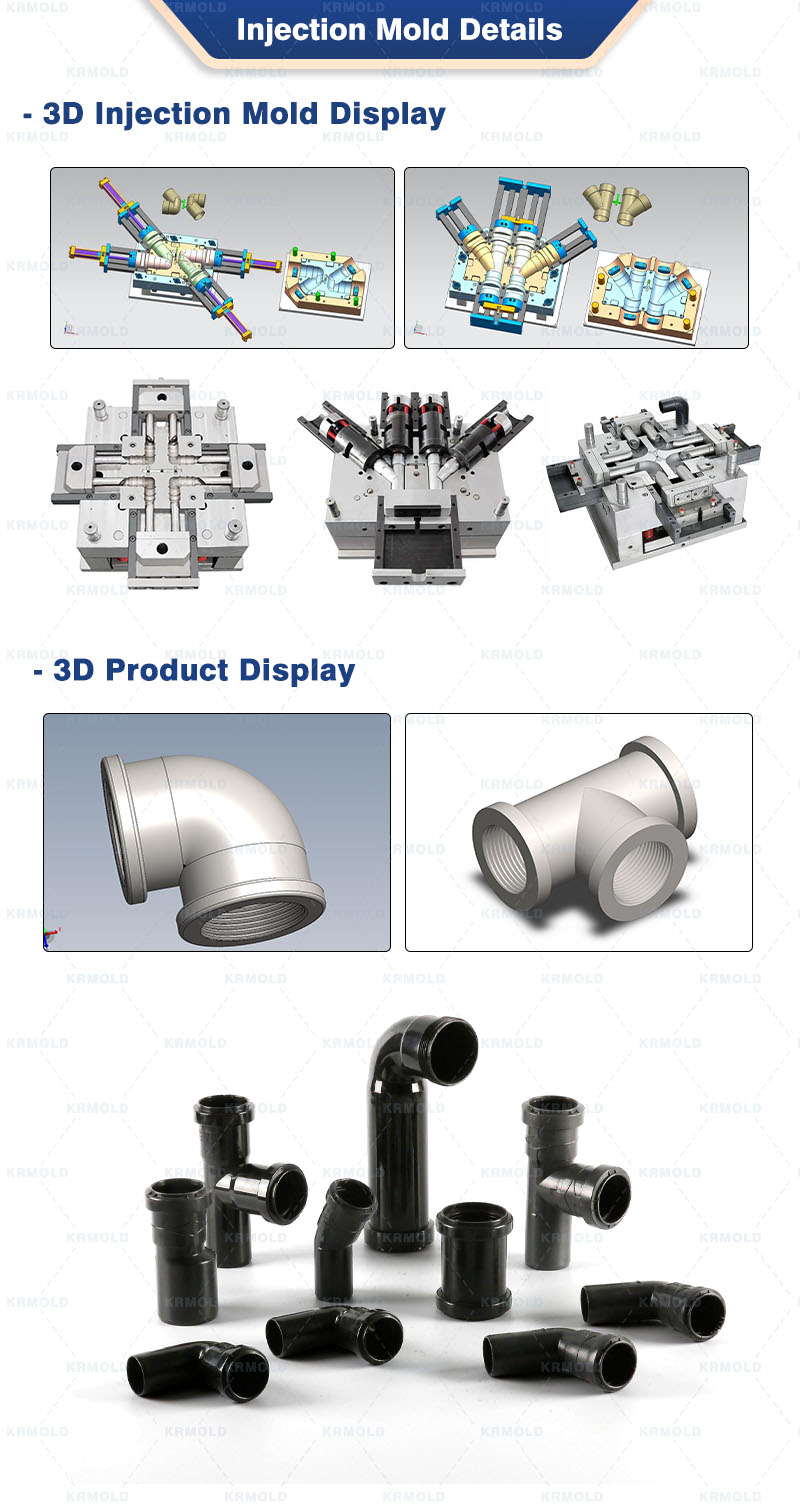
Pipe elbow mould are specifically designed for the high-volume production of 90° or 180° bends in pipes. These pvc elbow pipe injection molds are critical connectors used to change the direction of pipes. With the increasing complexity of piping systems in sectors such as construction, transportation, and home appliances, the importance of pipe elbow mould is becoming increasingly apparent. KRMOLD pvc elbow pipe injection molds are typically manufactured using high-grade steel to ensure mold lifespan. The KRMOLD team custom-designs bends based on the specific structural characteristics of each client's project. This tailored approach not only ensures perfect shaping of the internal form of the bend but also achieves smooth demolding, significantly increasing production capacity, shortening production cycles, and reducing labor costs. For manufacturers requiring high-volume production of pipe elbows, KRMOLD pipe elbow mould are the ideal solution.
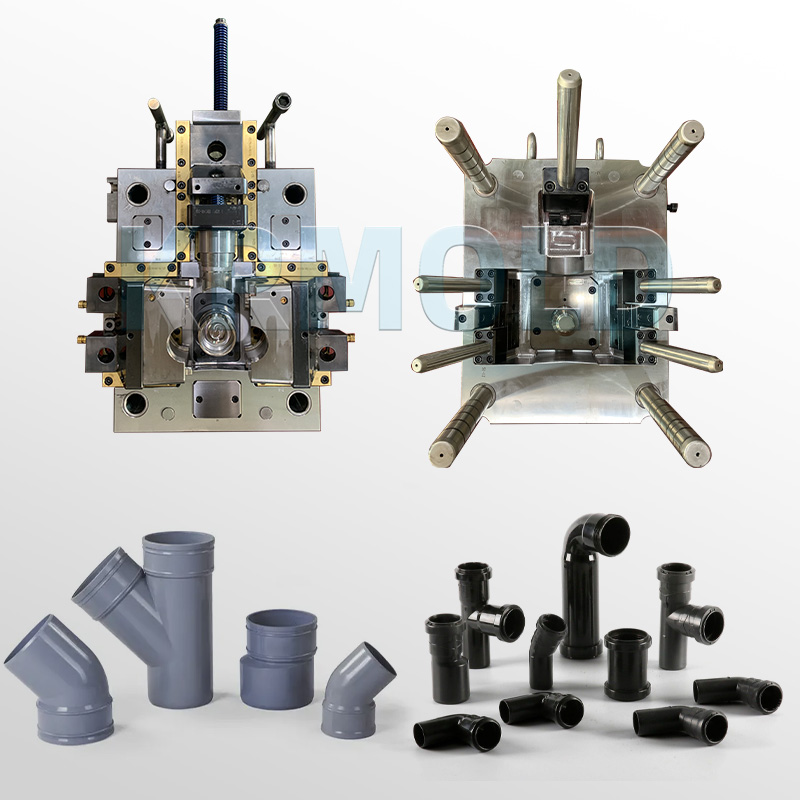
Parameters of PVC Elbow Pipe Injection Mold
● ● ● ● ●
| Material | PVC |
| Mold Base | HASCO, customizable mold bases available, S50C/S45C/LKM |
| Mold Core/Cavity | Material: DIN 1.2316, S136, 4Cr13, etc., 2738, H13, P20, etc. |
| Number of Cavities | Based on customer requirements, such as annual production volume, injection molding machine size, etc. |
| Mold Structure | Fully Automatic |
| Runner | Cold runner/Hot runner |
| Cooling Water System | Unique circular core cooling system for improved efficiency. |
| Mold Design Software | CAD, CAM, CAE, Pro-E, etc. |
| Mold Processing Equipment | High-speed CNC machine tools, standard CNC machine tools, EDM machines, wire cutting machines, grinding machines, drilling machines |
| Mold Surface Treatment | Textured (MT standard), high-gloss polishing, mirror polishing, etc. |
| Mold Life | 1 million cycles |
| Standards | ASTM, GB/T, ISO4435, AS/NZS, DIN, etc. |
Key Characteristics of Pipe Elbow Mould
● ● ● ● ●
1. Customized Cavity Design
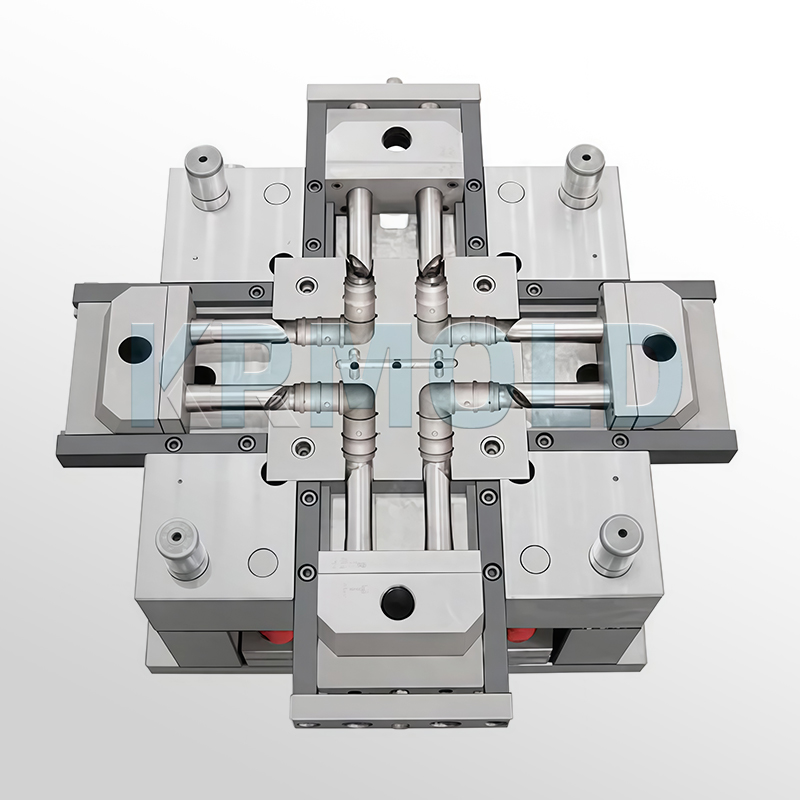
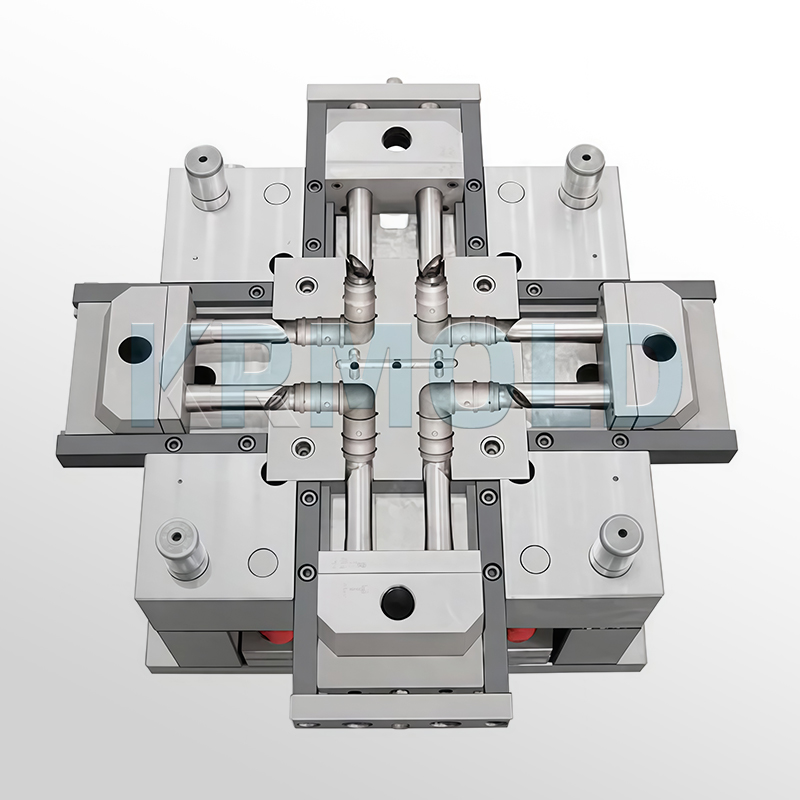
The KRMOLD team always prioritizes the actual production needs of customers. To maximize the satisfaction of diverse customer requirements, KRMOLD flexibly designs the number of cavities in pvc elbow pipe injection molds, ensuring that each customer receives a pvc elbow pipe injection mold best suited to their production environment. In most cases, KRMOLD pipe elbow mould are designed with one cavity, but for customers facing high production demands, KRMOLD can provide multi-cavity mold designs, such as molds with 4, 8, or even more cavities. This flexibility in customization allows KRMOLD pvc elbow pipe injection molds to adapt to different production methods and needs, significantly improving production efficiency. By increasing the number of cavities in the pipe elbow mould, customers can manufacture more products within the same production cycle, maximizing production resources and reducing the production cost per product.
2. Industry Standard Compliance
KRMOLD pvc elbow pipe injection molds are designed according to stringent industry standards, making them particularly suitable for producing pipe elbows of various specifications. Whether for high-pressure systems or general fluid transport applications, these pipe elbow mould ensure that the produced pvc elbow pipe assemblies have a tight seal. This tight connection design improves system safety and reliability, effectively preventing leaks, especially in industrial applications with stringent pressure and flow requirements. Industry-standard pipe elbow mould not only reduce potential safety hazards but also provide users with greater confidence, allowing them to use the products with peace of mind in various applications. To further enhance product applicability and reliability, the KRMOLD team regularly assesses market demands and technical standard updates to ensure that KRMOLD pvc elbow pipe injection molds remain at the forefront of the industry.
3. Durability and Service Life
The durability and service life of the pipe elbow mould directly impact customers' production efficiency and cost control. Therefore, KRMOLD pvc elbow pipe injection molds are meticulously manufactured using high-grade, wear-resistant steel to ensure high precision and efficiency during repeated use. This highly durable design reduces pvc elbow pipe injection mold wear during production, significantly extending its service life. For manufacturers, durability translates to significantly reduced maintenance costs. KRMOLD pipe elbow mould undergo rigorous quality inspection to ensure they do not experience a decrease in precision or functional failure during extended use. This stable performance allows customers to obtain consistent product quality throughout the production process, avoiding production delays or additional costs due to pvc elbow pipe injection mold failure.
4. Multiple Types of Pipe Elbow Mould
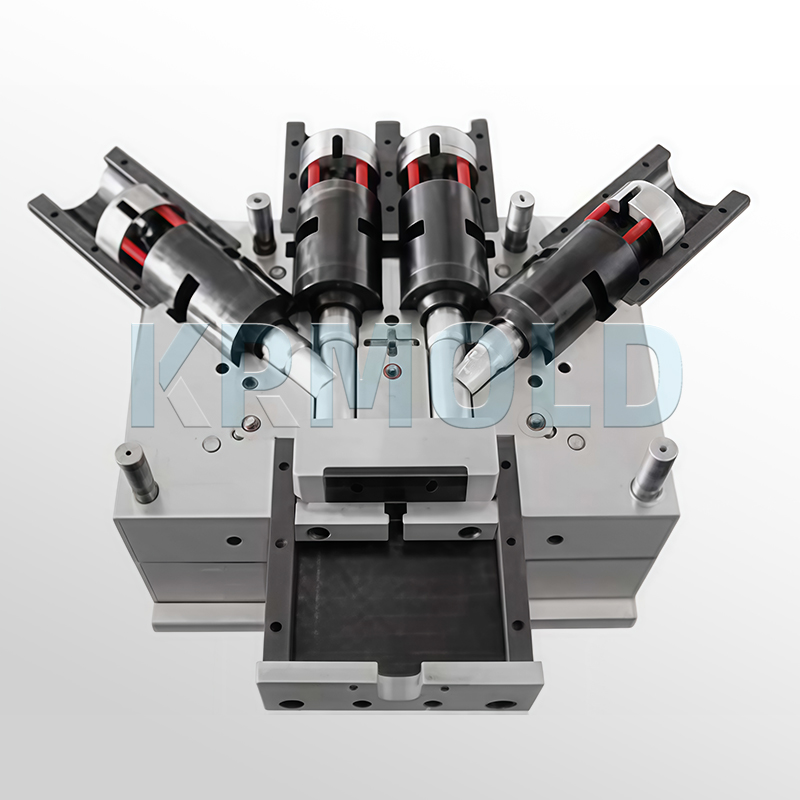
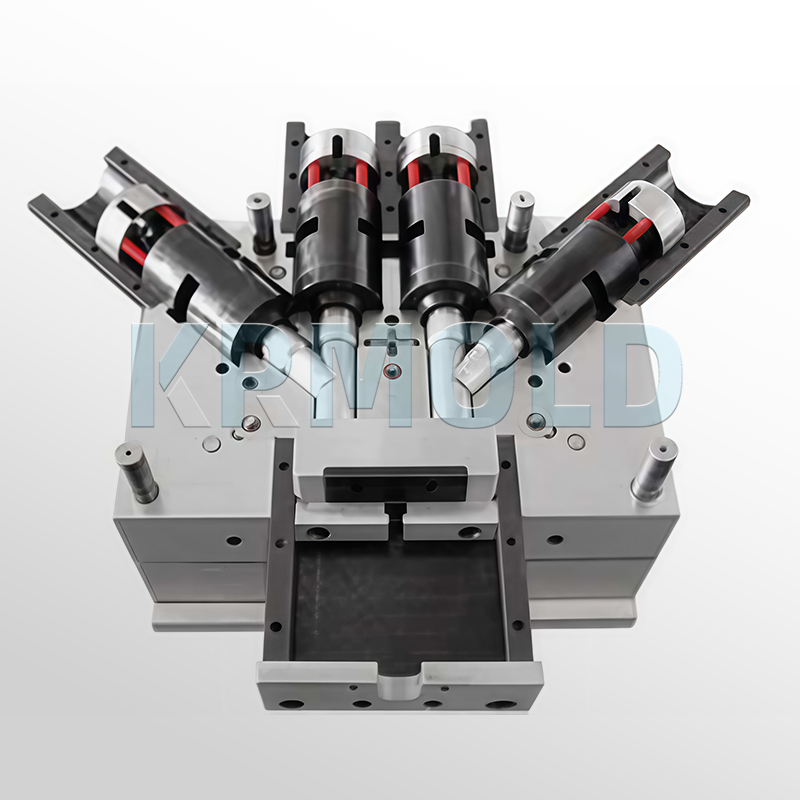
Leveraging extensive industry experience and technological expertise, KRMOLD can design a variety of types of pipe elbow mould. These pvc elbow pipe injection molds include, but are not limited to, single-pipe elbow mould, multi-pvc elbow pipe injection molds, circular arc pipe elbow mould, spiral pvc elbow pipe injection molds, and welded pipe elbow mould. Each type of pvc elbow pipe injection mold possesses unique structural features, making them suitable for diverse applications. For example, circular arc pipe elbow mould are suitable for applications requiring large-radius bends in pipeline engineering; this design effectively reduces fluid flow resistance and improves pipeline conductivity. In contrast, spiral pipe elbow mould are widely used in complex systems such as heat exchangers, enabling efficient heat exchange. Welding pvc elbow pipe injection molds play a crucial role in the welding process of marine pipelines, ensuring the strength and safety of welded joints. In addition to existing designs, the KRMOLD team continuously explores new pipe elbow mould designs to meet evolving market demands. Through close communication with clients, KRMOLD can promptly adjust pvc elbow pipe injection mold designs based on specific requirements, ensuring they meet the needs of different application scenarios.
Applications of Pipe Elbow Mould
● ● ● ● ●
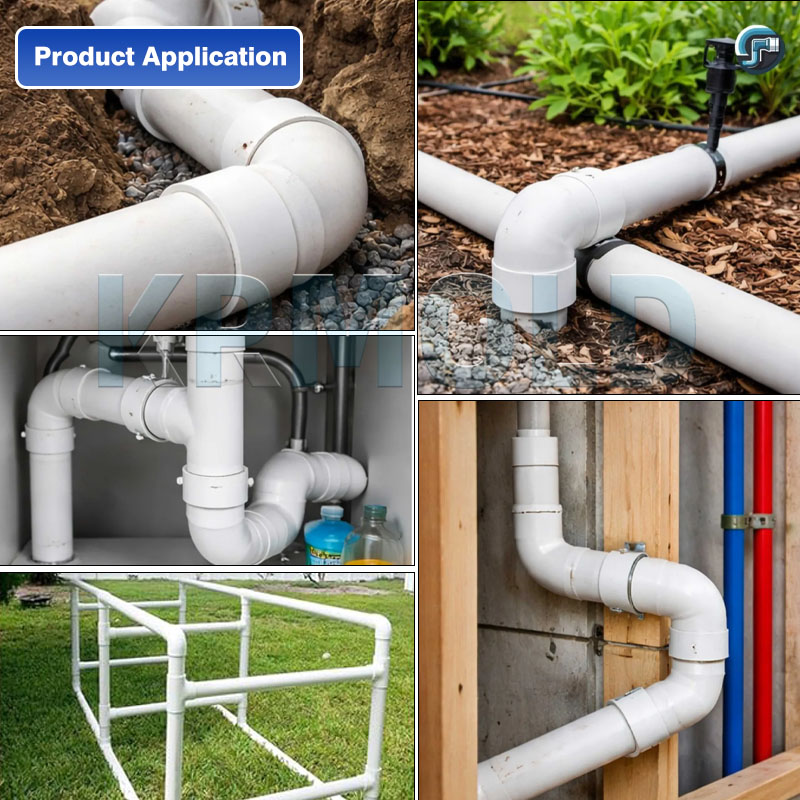
PVC elbow pipe injection molds produce pipe elbows with a wide range of applications, including automotive exhaust pipes, building drainage pipes, household appliance condensate pipes, and agricultural irrigation pipes. Building drainage pipes are the most common and frequently used application, found in almost every building. PVC elbow pipes produced by pipe elbow mould can be used in domestic cold water supply systems for connecting indoor cold water pipes in residential and commercial buildings. They can also be used in building drainage systems for discharging domestic sewage, wastewater, and ventilation ducts. Furthermore, they can be used in rainwater drainage systems as turning connections for roof drainage systems and downpipes.
KRMOLD provides high-precision, durable pvc elbow pipe injection mold solutions for pipe elbow. Whether you need to produce pipe elbow mould of any angle (commonly 90° and 180°), standard or non-standard, please contact KRMOLD today for a quote or to discuss customization options.
Specify the type of plastic (e.g. PP, ABS) and post-processing requirements (e.g. spraying, silk-screen printing), and provide 2D or 3D plastic part drawings should be provided. At the same time, provide the production volume, appearance requirements, tolerance standards, etc.
Generally speaking, our engineers will start to prepare the quotation immediately after the customer provides the complete production requirements. Usually it takes about 1-3 days.
The lead time for regular injection molds is usually 30-60 days, and may be longer for complex molds. For example, the typical lead time for liquid silicone molds is around 60 days, covering design, manufacturing, mold testing, etc.
High-precision processing technology: High-precision equipment such as CNC machining centers (CNC) and electric discharge machining (EDM) are used to optimize the design process in combination with CAD/CAM software. Quality control: Inspection of key dimensions of the mold by Coordinate Measuring Machine (CMM) and verification of multiple sample batches during the trial molding stage. Material Selection: Use die steel with high wear resistance (e.g. H13, S136) and surface treatment (e.g. nitriding, chrome plating) for die nuts to extend the life.
After every 50,000 molds, check the guide pillar, ejector pin and other wear parts, and clean up the residual plastic and rust on the mold surface. Use high temperature grease for sliding parts (e.g. tilt top, slider) to reduce friction loss. Ensure that the water circuit is smooth and the temperature difference is ≤5℃ to avoid cracking of the mold due to thermal stress.
Mould cost of materials accounted for about 30-40% (such as 1 ton of P20 steel price of about 20,000 yuan), processing costs accounted for more than 50% (CNC labor hourly rate of about 80-150 yuan / hour). Small batch production can choose aluminum mold or simplify the structural design; more than 100,000 pieces is recommended to use carbide inserts to enhance life!
Mould injection products need to fully meet the design requirements (such as size, appearance), and can be continuous and stable production. Mold marking, inspection reports (such as material hardness test) and engineering drawings should be complete.
Mould steel (such as S136H, NAK80 and other imported materials cost more) and the type of mold embryo (aluminum mold short-term cost is low but short life) directly affect the cost, the use of CAD/CAE/CAM design technology, hot runner system, etc. will increase the upfront investment, but can enhance the long-term benefits (such as reducing the sprues, increase production capacity).