KRMOLD plastic chair injection molds can produce traditional and customized chair styles for a wide range of indoor and outdoor applications.
In the manufacturing process of plastic chair injection mould, KRMOLD pays close attention to the cycle time, parting line, wall thickness, and venting.
Automotive instrument panel molds determines the quality of the auto instrument panel. Automotive instrument panels produced using high-quality auto instrument panel injection molds combine safety, functionality, comfort, and aesthetic appeal, and are widely utilized across various automotive manufacturing scenarios.
Pipe elbow mould are designed for high-volume production of 90° or 180° pipe elbows. These PVC elbow pipe injection molds are widely used in piping systems across multiple fields.
Syringe plunger injection molds play a crucial role in the medical industry, widely used in the production of high-performance, high-quality syringe components. The overall performance of the medical syringe depends on the accuracy of the shape and measurements of the syringe plunger, which is a critical component of the syringe. Specializing in the research and development and production of disposable syringe plunger molds, KRMOLD seeks to give clients steady and dependable manufacturing solutions meeting industry requirements.
The car air conditioner vents produced by car air conditioner vent injection molds are essential components for any vehicle, providing efficient cooling and ventilation inside the cabin. These vents are made from high-quality materials and feature a sophisticated design, perfectly fitting any standard automotive air conditioning system, ensuring optimal performance and long-lasting durability.
Plastic car radiator tank mould are specifically designed to produce radiator water tanks, with their internal design deeply considering the characteristics of automotive radiators.
KRMOLD injection mold for steering wheel offer customers the best solutions. Whether it's complex geometry, multi-material compatibility, high-precision manufacturing, or long lifespan, these car steering wheel injection molds can meet diverse customer needs.
Automotive fan radiator mould enable the mass production of high-quality fans installed in automobiles. KRMOLD provides high-quality car radiator fan shroud mould due to its extremely stringent requirements for mold materials and processing.
How to Maintain Washing Machine Plastic Mould?
2025-12-04
General Contents:
1. Introduction to Washing Machine Plastic Injection Mold
4. Safety Issues in Washing Machine Plastic Mould Repair and Maintenance
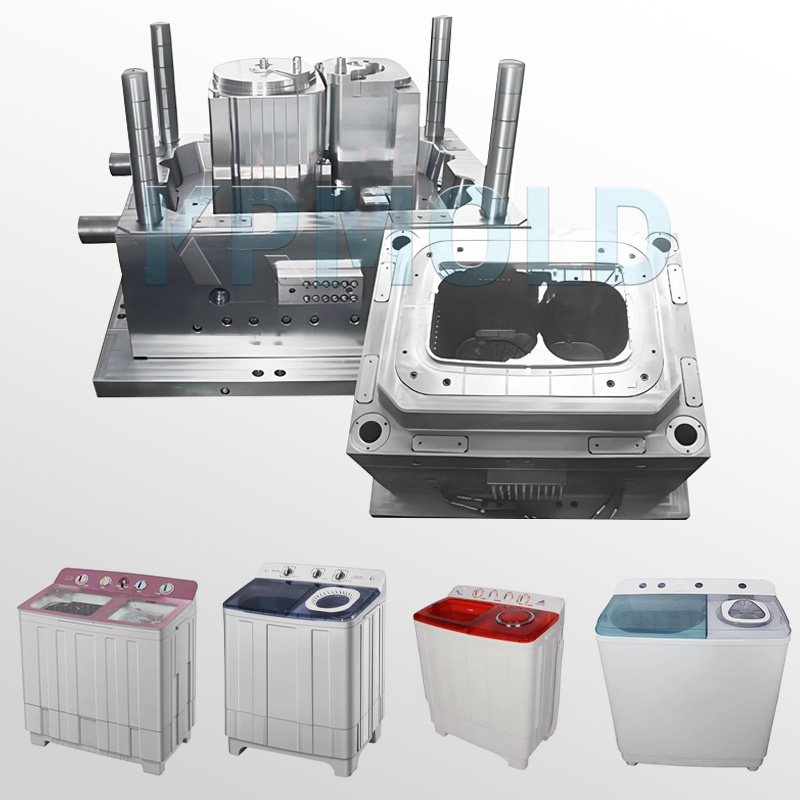
As a crucial production tool for washing machines, washing machine plastic mould are responsible for manufacturing the internal plastic parts. Once molded through the injection molding process, these parts not only have complete structures and precise dimensions but also enable large-scale production. The injection molding process involves injecting heated and molten plastic under high pressure into the mold cavity, where it cools and solidifies to obtain the desired plastic part. Therefore, proper maintenance and upkeep of washing machine plastic injection molds are particularly important. Today, KRMOLD will focus on the key points of maintenance and upkeep for washing machine injection mould.
1. Introduction to Washing Machine Plastic Injection Mold
1.1 Application of Washing Machine Plastic Mould
Washing machine plastic injection molds are widely used for thermoplastic plastics such as ABS, PP, PC, and POM, while thermosetting plastics such as phenolic and epoxy plastics use rubber molds.
1.2 Classification of Washing Machine Plastic Injection Molds
Based on structure, they can be divided into two-plate molds and three-plate molds; based on gate design, they can be divided into large gate, single-point gate, and hot-point gate.
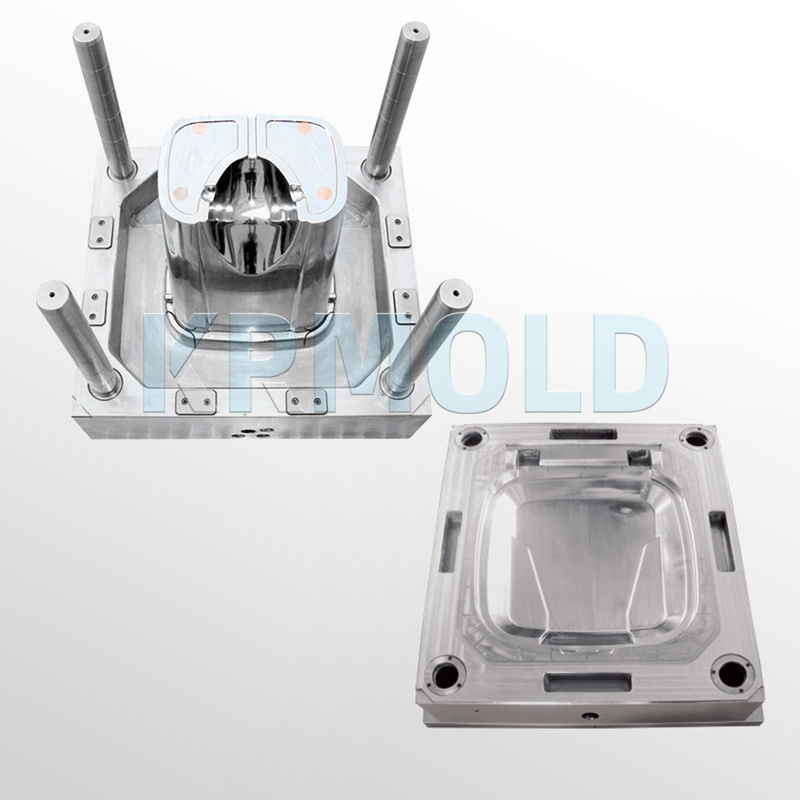
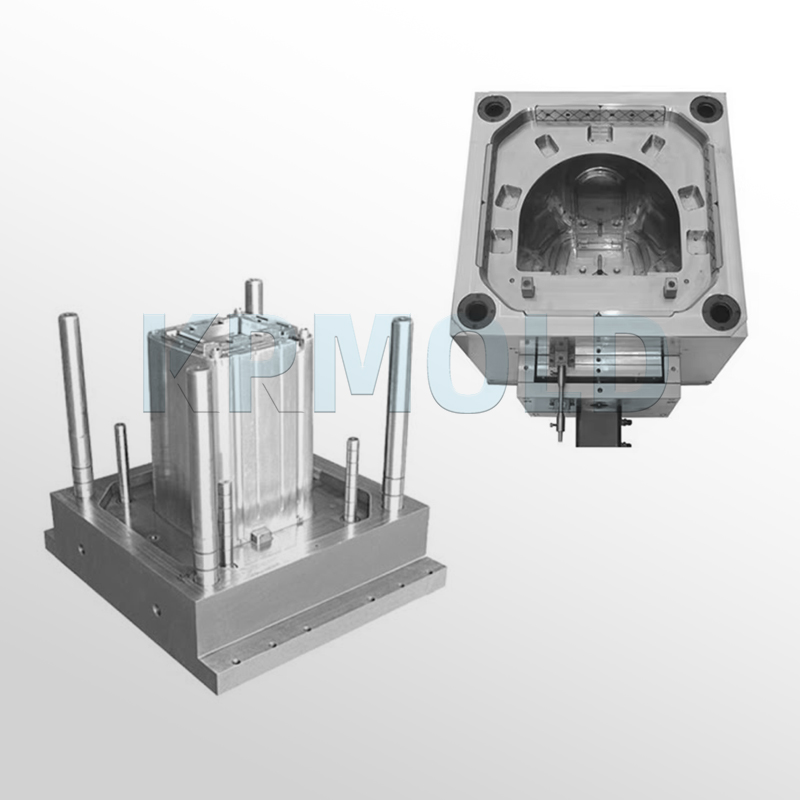
The structure of a washing machine plastic mould mainly includes the following parts:
Molding Components: These are the front and rear mold cores, which are in direct contact with the product.
Gating System: Molten plastic flows into the cavity through the main runner, branch runners, and gate.
Guiding System: Ensures the relative position of the front and rear molds when they are closed, typically including guide pillars and guide bushings.
Ejection Structure: Uses ejector pins, ejector plates, etc., to remove the plastic part from the washing machine plastic injection mold.
Temperature Control System: Regulates the mold temperature by adding cooling channels to meet the injection molding process requirements.
Side Parting and Core Pulling: Handles structures that do not conform to the ejection direction, using slide blocks or angled ejectors.
Ventilation Structure: Located at the parting surface, used to expel air from the cavity and gases generated during the molding process; common forms include venting grooves.
2. Washing Machine Plastic Injection Mold Repair
During use, washing machine plastic mould inevitably experience wear or damage. Timely mold repair is crucial to prevent defective products.
2.1 Mold Repair Plan Inspection and Development
When washing machine plastic injection mold damage is discovered, first inspect the extent of the damage, then refer to the condition of a normal washing machine plastic mould to develop a corresponding repair plan.
2.2 Mold Repair Principles
The repair process must adhere to the principle of "not affecting the structure and dimensions of the plastic part," especially when making dimensional adjustments. Accurate dimensional data must be recorded before proceeding to the next step.
2.3 Assembly and Disassembly Precautions
Marking: When disassembling parts, carefully read the markings on the washing machine plastic mould to ensure accurate reassembly.
Mistake-proof Design: For parts prone to misassembly, establish structures to prevent errors.
Neat Placement: Disassembled parts must be neatly placed to prevent confusion.
Protective Measures: For precision parts such as cores and cavities, protective measures must be taken to avoid damage.
2.4 Precautions for Repairing Textured Surfaces
When repairing textured surfaces, the following points require special attention:
Mold Protection: Protecting the textured surface before repair is crucial to avoid smoothing.
Welding Process: Use welding rods consistent with the mold core material during welding and perform tempering treatment.
Texturing Notes: When texturing, ensure the texturing material is consistent with the original material and provide a sample for confirmation.
The frequency and quality of daily maintenance directly affect the service life of the washing machine plastic mould. Regular maintenance can effectively reduce the frequency of subsequent repairs.
3.1 Importance of Maintenance
-Maintaining Normal Operation: Reduce unnecessary wear on moving parts.
-Extending Service Life: Ensure the washing machine plastic injection mold is used in optimal condition.
-Reducing Oil Stains: Keep the production environment clean.
3.2 Maintenance Categories
-Daily Maintenance: Clean and lubricate commonly used parts and washing machine plastic mould surfaces.
-Lifting Ring Inspection: Ensure lifting rings are intact before use.
-Protective Equipment: Wear safety glasses while operating the equipment.
-Welding Safety: Wear protective clothing and goggles when welding.
-Operating Procedures: Do not work at the bottom of the washing machine plastic mould; ensure the injection molding machine is stopped.
During the operation of the washing machine plastic injection mold, it is imperative to follow safety regulations, regularly check the washing machine plastic mould' condition, and perform timely maintenance to extend its service life. Always adhere to the principle of "maintenance before repair" to continuously improve the washing machine plastic injection mold's working efficiency and safety.