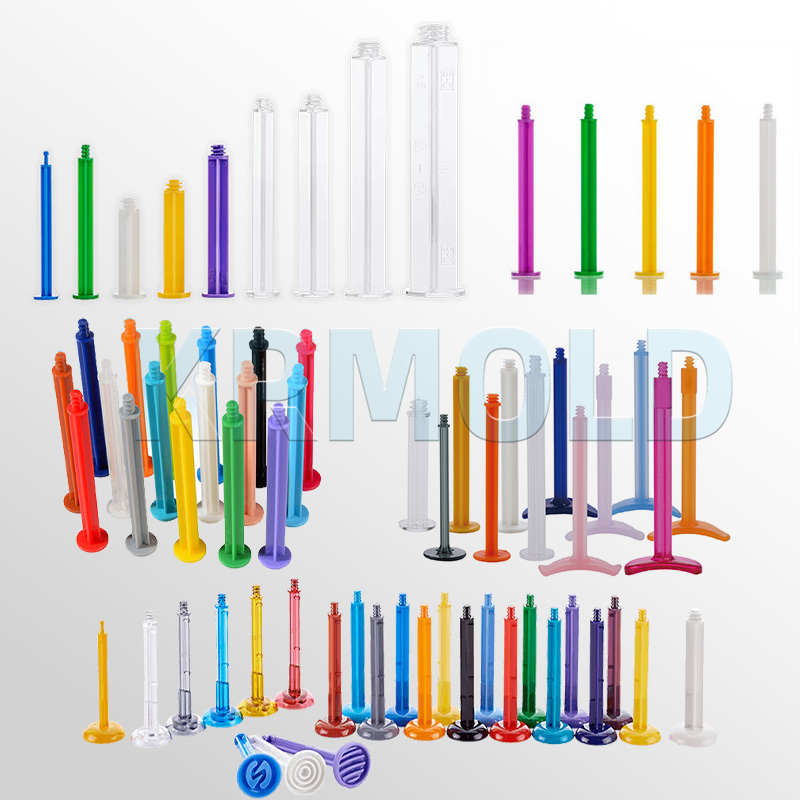
About Syringe Plunger Injection Mold
● ● ● ● ●
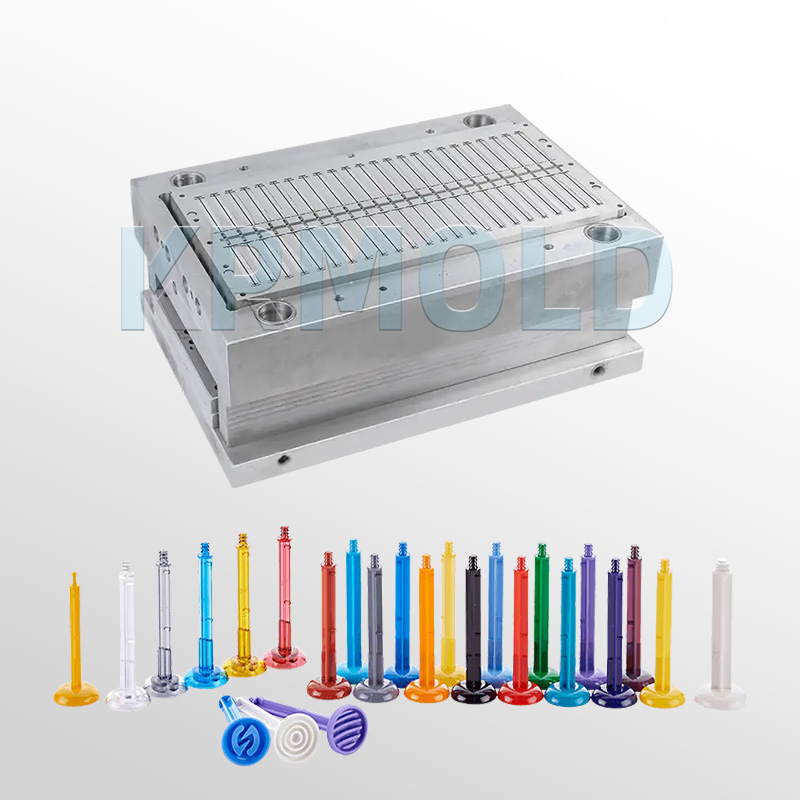
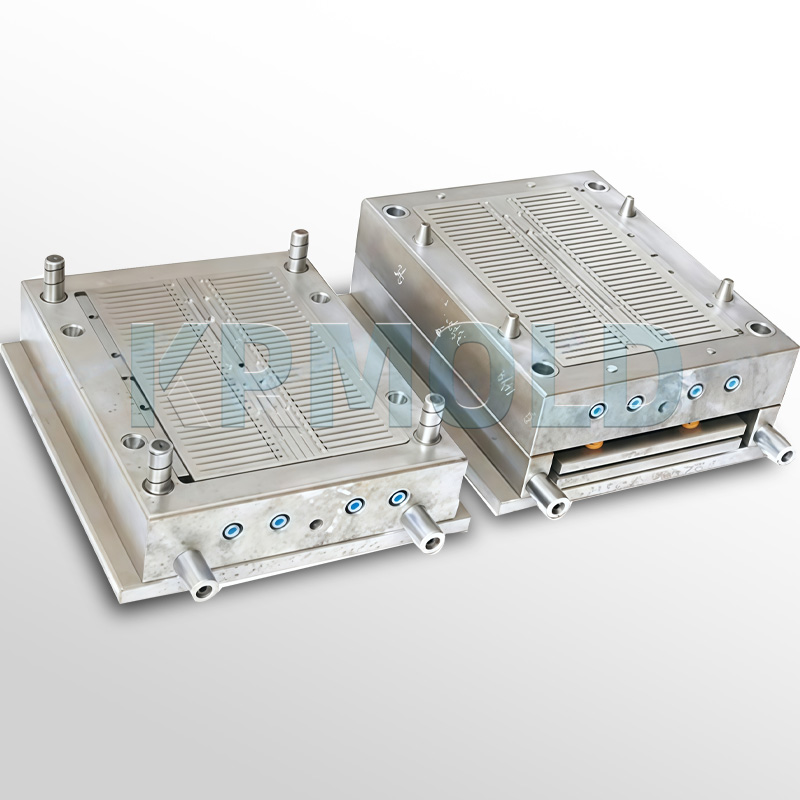
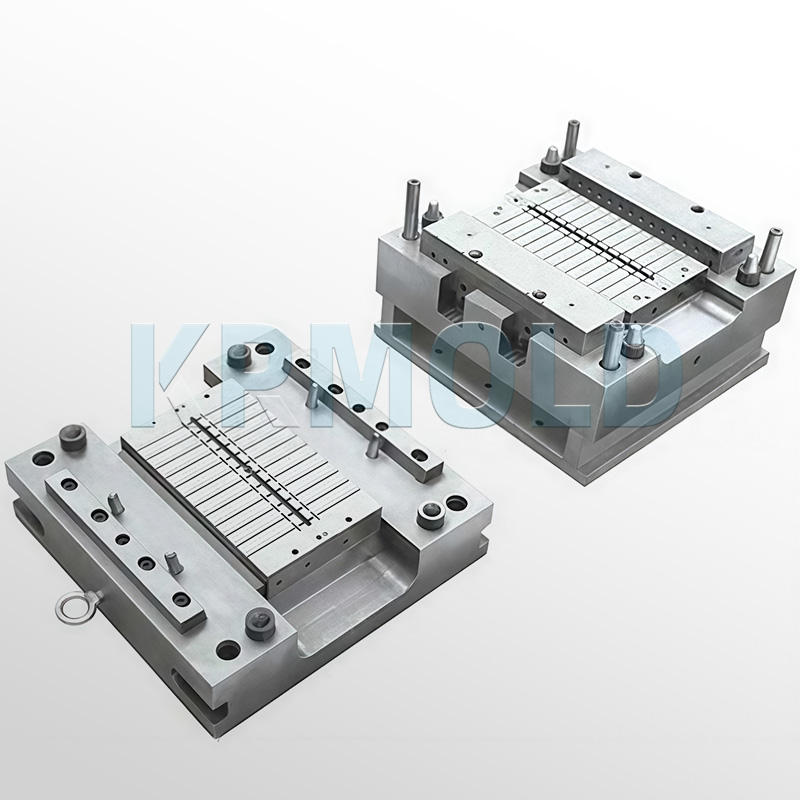
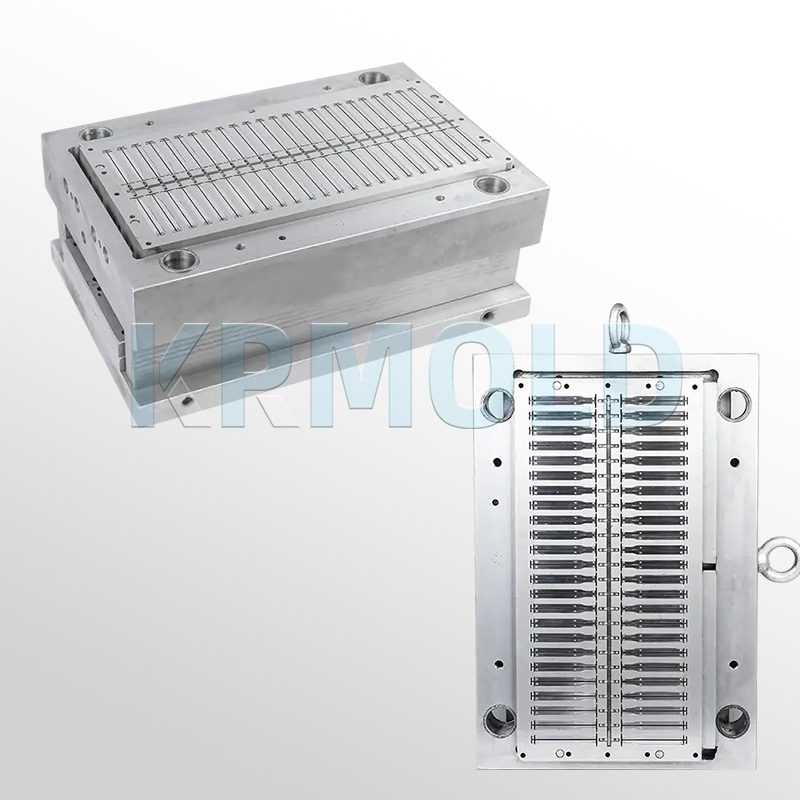
Syringe plunger injection molds play a crucial role in the medical industry, widely used in the production of high-performance, high-quality syringe components. The overall performance of the medical syringe depends on the accuracy of the shape and measurements of the syringe plunger, which is a critical component of the syringe. Specializing in the research and development and production of disposable syringe plunger molds, KRMOLD seeks to give clients steady and dependable manufacturing solutions meeting industry requirements.
Having outstanding physical and chemical qualities, KRMOLD syringe plunger injection molds are constructed from medical-grade polypropylene (PP). Moreover, KRMOLD provides disposable syringe plunger molds in 32-cavity, 48-cavity, 64-cavity, 96-cavity, and 128-cavity models to satisfy various production demands.
Employing cutting-edge manufacturing equipment and techniques, KRMOLD tightly adheres to high-quality standards in the creation of the syringe plunger injection mold to guarantee that every disposable syringe plunger mold passes thorough quality inspection. KRMOLD seeks peak performance whether in mold accuracy or production efficiency, therefore giving clients trustworthy molds.
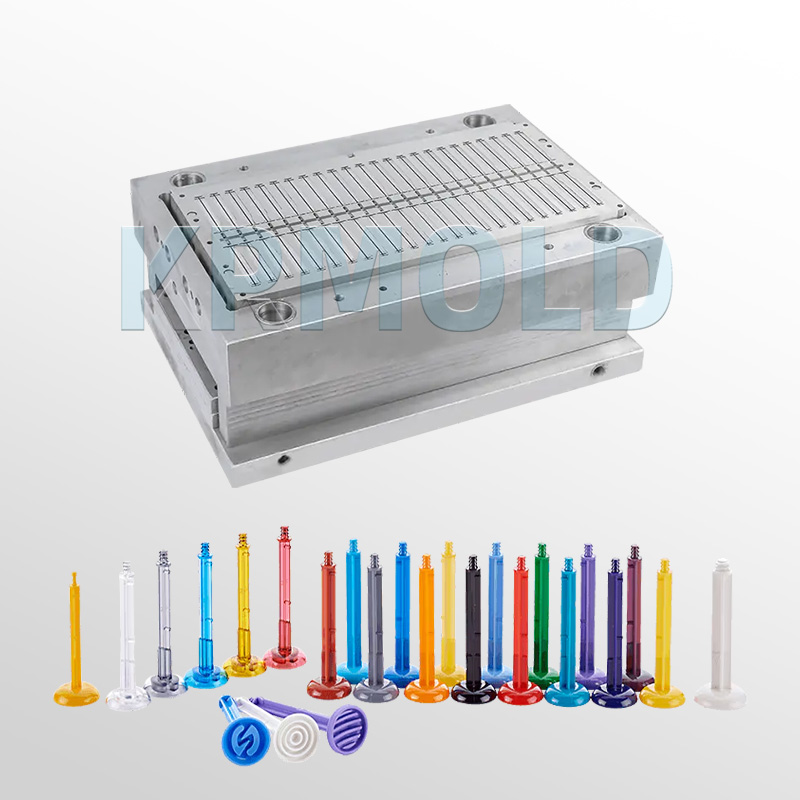
Parameters of Syringe Plunger Injection Mold
● ● ● ● ●
| Molding Material | High Quality Stainless Steel / ABS (as per client requirement) |
| Mold Base | P20 Steel |
| Shaping Mode | Injection Mould |
| Material | Tool Steel, Hardened Steel |
| Tolerance | 0.02 mm |
| Mould Life | 1,000,000 Shots+ |
Features of Syringe Plunger Injection Mold
● ● ● ● ●
1. Durable disposable syringe plunger mold KRMOLD syringe plunger injection molds are designed for a lifespan exceeding 1 million injections, eliminating the need for frequent mold replacements in actual production. This durability reduces long-term production costs, and the ease of disposable syringe plunger mold maintenance saves operators significant time and effort. Furthermore, regular maintenance and inspection can further extend syringe plunger injection mold life, ensuring continuous production for businesses.
2. Wide range of applications KRMOLD disposable syringe plunger molds are widely recognized by medical device manufacturers, healthcare service providers, life sciences, biotechnology companies, pharmaceutical companies, and many other industries. KRMOLD provides these companies with high-volume, reliable syringe plunger injection mold solutions, ensuring they can efficiently meet market demands during production. KRMOLD disposable syringe plunger molds have received consistent praise from users for their outstanding performance in these areas. | 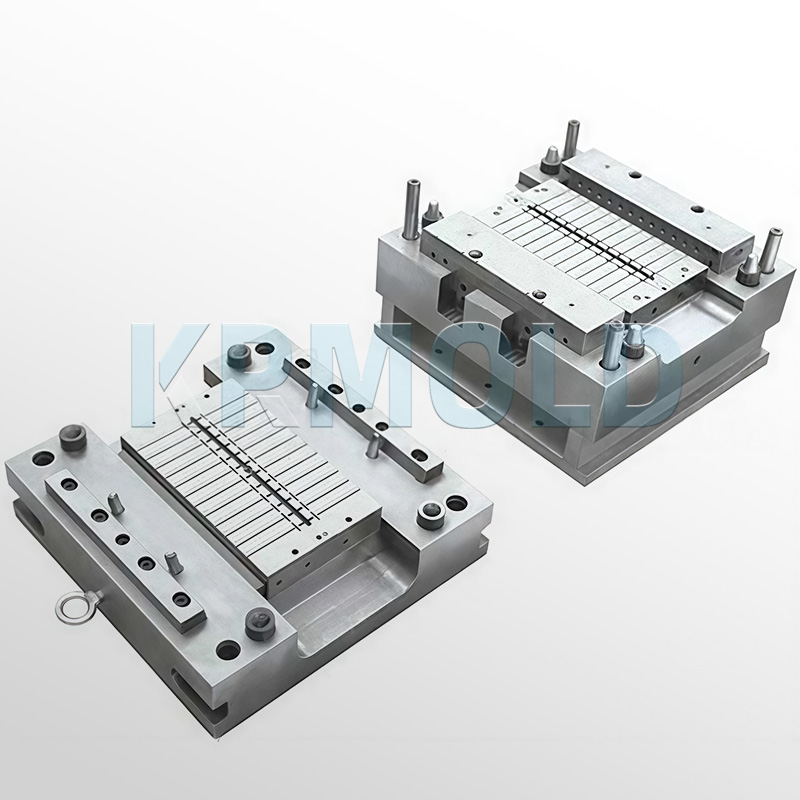 |
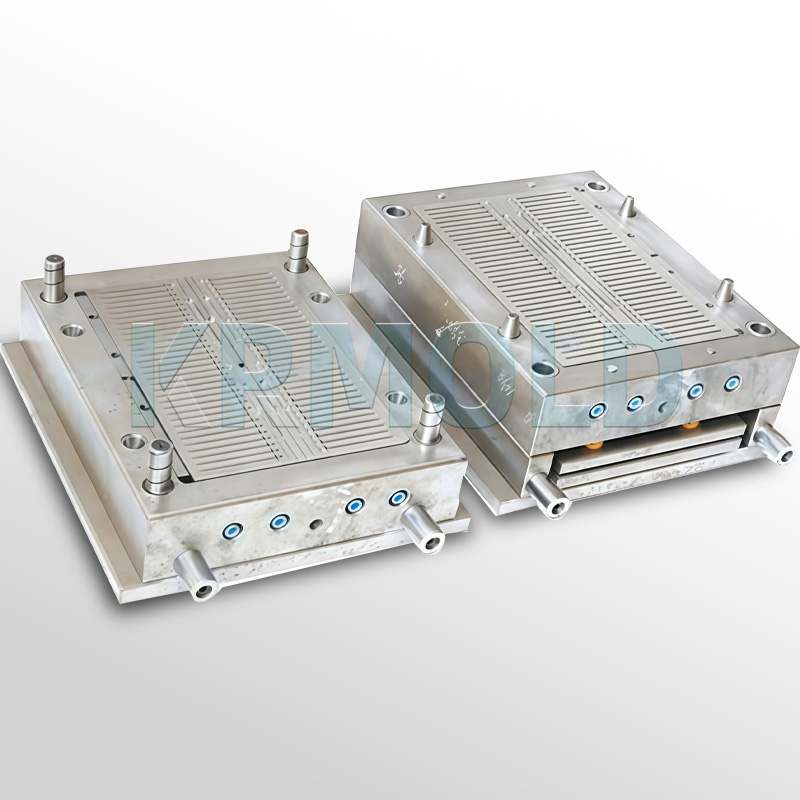 | 3. Customized syringe plunger injection molds KRMOLD offers fully customized disposable syringe plunger mold services. Customers only need to provide specific requirements for the desired finished product, including material and dimensions. KRMOLD professional team will thoroughly understand and analyze customer needs, designing a personalized syringe plunger injection mold to match. This innovative customization service fully meets customers' specific production requirements, enhancing their market competitiveness.
4. High-precision syringe plunger injection mold machining KRMOLD disposable syringe plunger molds use P20 steel as the base material. Through precision machining and advanced injection molding technology, strict dimensional tolerance control is achieved, reaching 0.02 mm. This high-precision design and manufacturing process not only ensures the reliable performance of the syringe plunger injection mold but also achieves the stability and consistency of the syringe plunger. KRMOLD also offers high-quality stainless steel and ABS as mold materials, allowing customers to choose flexibly according to their needs. The KRMOLD team will also provide material selection advice. |
Syringe Plunger Display
● ● ● ● ●
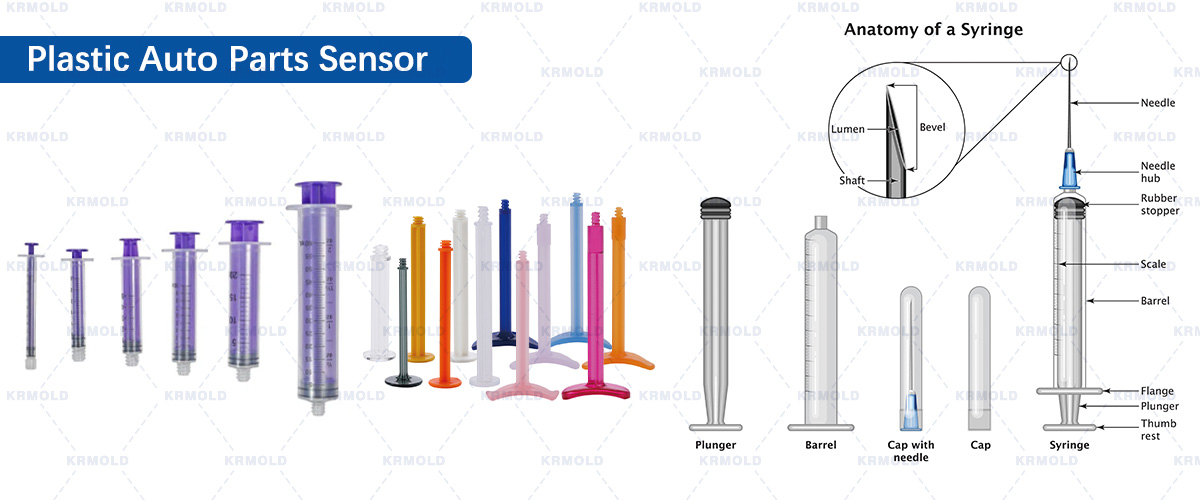
The syringe plunger is a movable rod with a thumb rest, designed to generate suction, ensure smooth movement, and accurately dispense liquid. A rubber head seals the valve, a low dead space design minimizes liquid waste, a locking mechanism avoids unintended separation, and a PTFE coating or X-thread improves automatic pump compatibility. Its primary purpose is to generate a vacuum in the plunger so that liquid may be pulled into the barrel and pressure given for distribution. Good design aims to reduce leakage and guarantee consistent and smooth operation.
Why Choose KRMOLD?
● ● ● ● ●
1.Short lead time
Through optimized production processes and an efficient management system, KRMOLD significantly reduces lead time, allowing customers to obtain the syringe plunger injection molds they need faster.
2.Comprehensive equipment
KRMOLD possesses state-of-the-art manufacturing equipment capable of meeting a wide range of complex and diverse disposable syringe plunger mold requirements. KRMOLD equipment not only meets international standards but also undergoes rigorous quality testing to ensure that every syringe plunger injection mold performs at the highest industry standards.
3.Comprehensive support
KRMOLD services extend beyond mold manufacturing to include disposable syringe plunger mold design and complex custom solutions. KRMOLD boasts experienced plastic injection mold engineers who work closely with clients from the early stages of a project, providing expert advice and guidance on material selection, feasibility, product geometry, cost-effectiveness, and syringe plunger injection mold lifespan. Through this thorough assistance, the reliability of customers' disposable syringe plunger molds is guaranteed throughout the product life-cycle, therefore lowering defect rates, production costs, and downtime.
4. Quality assurance
KRMOLD keeps tight quality control from design through manufacturing and after-sales support. At every stage of manufacture, KRMOLD syringe plunger injection molds are painstakingly examined to make sure every disposable syringe plunger mold leaving the plant fulfills consumer demand.
Specify the type of plastic (e.g. PP, ABS) and post-processing requirements (e.g. spraying, silk-screen printing), and provide 2D or 3D plastic part drawings should be provided. At the same time, provide the production volume, appearance requirements, tolerance standards, etc.
Generally speaking, our engineers will start to prepare the quotation immediately after the customer provides the complete production requirements. Usually it takes about 1-3 days.
The lead time for regular injection molds is usually 30-60 days, and may be longer for complex molds. For example, the typical lead time for liquid silicone molds is around 60 days, covering design, manufacturing, mold testing, etc.
High-precision processing technology: High-precision equipment such as CNC machining centers (CNC) and electric discharge machining (EDM) are used to optimize the design process in combination with CAD/CAM software. Quality control: Inspection of key dimensions of the mold by Coordinate Measuring Machine (CMM) and verification of multiple sample batches during the trial molding stage. Material Selection: Use die steel with high wear resistance (e.g. H13, S136) and surface treatment (e.g. nitriding, chrome plating) for die nuts to extend the life.
After every 50,000 molds, check the guide pillar, ejector pin and other wear parts, and clean up the residual plastic and rust on the mold surface. Use high temperature grease for sliding parts (e.g. tilt top, slider) to reduce friction loss. Ensure that the water circuit is smooth and the temperature difference is ≤5℃ to avoid cracking of the mold due to thermal stress.
Mould cost of materials accounted for about 30-40% (such as 1 ton of P20 steel price of about 20,000 yuan), processing costs accounted for more than 50% (CNC labor hourly rate of about 80-150 yuan / hour). Small batch production can choose aluminum mold or simplify the structural design; more than 100,000 pieces is recommended to use carbide inserts to enhance life!
Mould injection products need to fully meet the design requirements (such as size, appearance), and can be continuous and stable production. Mold marking, inspection reports (such as material hardness test) and engineering drawings should be complete.
Mould steel (such as S136H, NAK80 and other imported materials cost more) and the type of mold embryo (aluminum mold short-term cost is low but short life) directly affect the cost, the use of CAD/CAE/CAM design technology, hot runner system, etc. will increase the upfront investment, but can enhance the long-term benefits (such as reducing the sprues, increase production capacity).