KRMOLD plastic chair injection molds can produce traditional and customized chair styles for a wide range of indoor and outdoor applications.
In the manufacturing process of plastic chair injection mould, KRMOLD pays close attention to the cycle time, parting line, wall thickness, and venting.
KRMOLD offers a diverse range of refrigerator parts injection mould capable of producing components such as drawers, egg trays, door liners, handles, door frames, and fridge lower vent frames, fully covering the molding needs for both interior and exterior plastic parts.
KRMOLD is dedicated to providing a complete range of plastic pallet injection molds, capable of producing pallets in various sizes for widespread use in everyday goods handling and product transportation in factories. KRMOLD plastic pallet injection mould not only meet market demands but also offer customized designs based on different customer application scenarios and handling conditions.
KRMOLD specializes in providing high-quality waste bin injection molds, capable of designing and manufacturing plastic trash bin injection molds for various capacities to meet specific project needs, including 32L, 45L, 60L, 80L, 120L, and 240L.
KRMODL can provide customers with a wide range of Logistic Packaging Injection Mold, according to the customer's product requirements for customized design of injection molds and the process of manufacturing injection molds, Logistic Packaging Injection Molds are used for the production of logistics and transportation required for the products. Logistic Packaging Injection Mold is a large-scale injection mold product.
KRMOLD is a professional injection mold manufacturer in China that can provide Food Packaging Injection Molds, which are designed to produce food packaging products with various specific shapes and functions. As an important injection molding tool, Food Packaging Injection Molds can produce food packaging products that meet food requirements. Welcome to contact us to get the latest design solutions
KRMOLD can provide customers with complete Thin-Wall Container Injection Molds solutions to manufacture injection molds that meet the production requirements of thin-walled products, such as disposable lunch box injection molds, electronic component packaging injection molds, and medical device injection molds.
KRMOLD thin wall container injection molds are characterized by high strength mold structure, precise process control and material innovation. Contact us for new injection molding solutions.
KRMOLD helps customers with complete injection mold design, production and after-sales services, and is able to provide customers with Cosmetic Container Injection Molds, which are used to produce molds for various cosmetic packaging containers. Injection molding technology is used to make plastic raw materials into specific shapes of packaging, such as bottles, jars, lids and so on.
Explaining Disposable Medical Syringe Injection Mold
2026-02-28
Did you know that disposable medical syringe injection molds are revolutionizing the medical device industry? These high-precision, inexpensive disposable medical syringes are guaranteed by these advanced medical grade PP syringe molds. Disposable medical syringe injection molds, a primary link in the medical supplies manufacturing chain, directly affect sterilization, cleanliness, safety, and cost control besides defining the geometric precision and surface quality of syringe parts.
Table of Contents
What is Disposable Medical Syringe Injection Mold?
Material Selection and Biocompatibility
Design and Precision Machining Key Points
Quality Control in Medical Grade PP Syringe Mold Production Process
Mold Compliance & Certification & Risk Management
1. What is Disposable Medical Syringe Injection Mold?
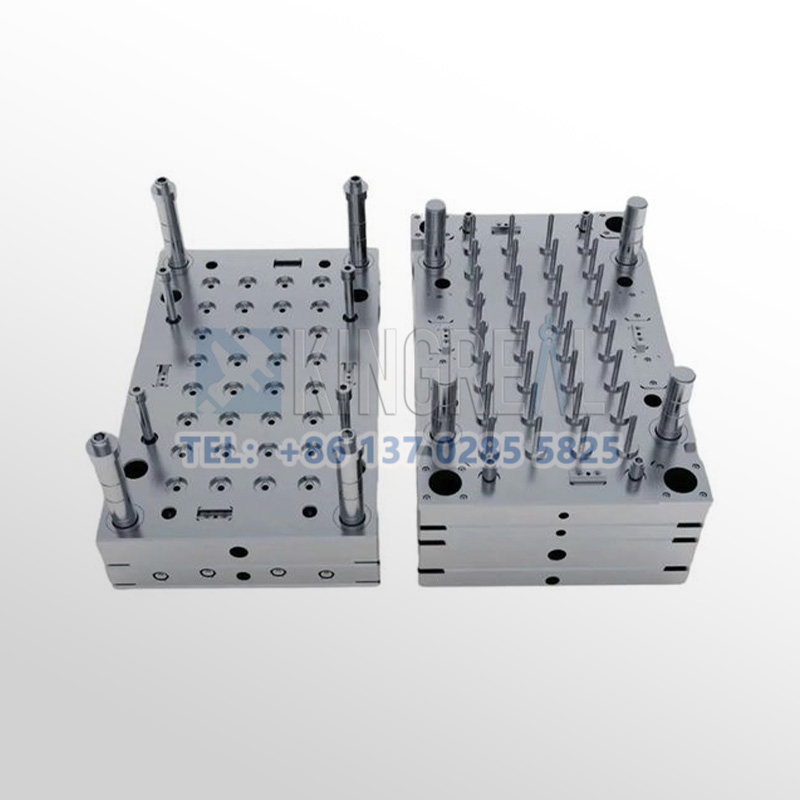
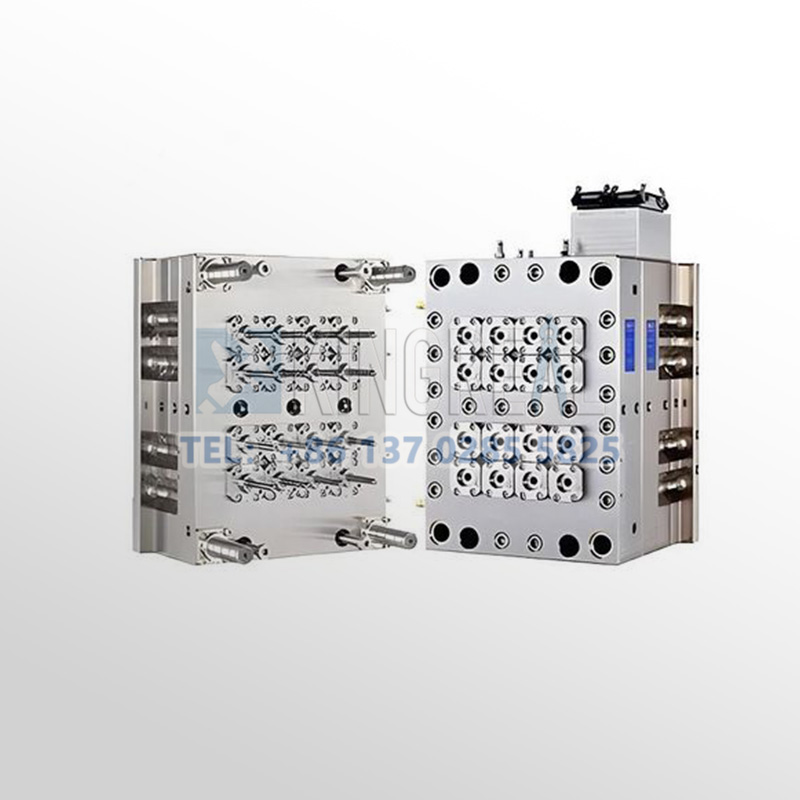
A medical grade pp syringe mold is a high-precision, multi-cavity steel mold, commonly made of S136 or H13, used for mass injection molding of medical-grade polypropylene (PP) syringe barrels, pistons, and caps. Through high-precision disposable medical syringe injection mold design and processing, medical grade pp syringe molds achieve exceptional dimensional stability, surface finish, and hygiene standards, supporting large-scale, cost-effective healthcare production. Besides PP, disposable medical syringe injection molds may also be used for molding PE, PEEK, PC, PS, and other materials; the specific material selection depends on the component's function and temperature resistance requirements.
2. Material Selection and Biocompatibility
2.1 Commonly Used Materials and Properties
PP is the most commonly used base material for medical grade pp syringe molds due to its excellent bio-compatibility, strong chemical resistance, and low cost, making it suitable for injection molding of components such as the syringe barrel and cap. Apart from PP, molding PE, PEEK, PC, PS, and other materials can also be achieved using disposable medical syringe injection molds; the particular material chosen depends on the component's function and temperature resistance needs.
2.2 Bio-compatibility and Regulations
To ensure the safety of human body-contact components, disposable medical syringe injection molds and their molded parts have to follow bio-compatibility standards like USP Class VI and ISO 10993-1. The bio-compatibility of the materials and their compatibility with subsequent sterilization processes must be considered in the medical grade pp syringe mold production phase.
3. Design and Precision Machining Key Points
3.1 Medical Grade PP Syringe Mold Structure and Tolerance Control
High-precision structure and tolerance control are crucial. Disposable medical syringe injection mold tolerance often must be limited inside ±0.01 mm. Important components like micro-channels, nozzles, and piston sliding surfaces require high-precision machining methods including EDM and laser processing to ensure dependable filling and sealing performance.
3.2 Surface Quality and Cleanliness Design
To prevent microbial retention and cleaning problems, the surface must have a particularly high mirror finish (Ra ≤ approximately 0.025 μm). For easy daily cleaning and pre-sterilization, the design should reduce dead spaces and include automated cleaning ports and chip removal canals.
3.3 Hot Runner and Material Compatibility
For high-temperature materials such as PEEK, high-temperature resistant hot runners and seals are required to ensure uniform heat conduction and reduce the risk of material degradation and uneven filling. The hot runner design must ensure consistent filling of each cavity to improve production stability.
4. Quality Control in Medical Grade PP Syringe Mold Production Process
4.1 Clean Environment and Batch Management
The injection molding process should be carried out in a clean environment. Different cleanliness levels should be set according to GMP category requirements, and a strict batch traceability mechanism should be established, covering information such as raw materials, disposable medical syringe injection molds, process parameters, and equipment status.
4.2 Process Parameter Monitoring
Real-time logging of important variables including melt temperature, injection pressure, holding pressure, and cooling time must be linked to the batch traceability system to swiftly identify the cause of issues and create solutions.
4.3 Deburring and Surface Treatment
Burnt materials can affect safety and appearance; therefore, deburring and surface finishing should be achieved through processes such as plasma polishing and ultrasonic cleaning to ensure that finished parts meet medical-grade safety standards.
4.4 Validation and Compliance Management
Mold filling, cooling, and stress distribution simulations should be performed using mold flow analysis (such as Moldflow) to predict and optimize potential defects. Traceability management should be implemented throughout the entire life-cycle of the medical grade pp syringe mold, covering steel smelting batch numbers, heat treatment, maintenance records, etc., to ensure traceability as required by regulations.
Medical device manufacturing must comply with the regulations of the FDA and regional regulatory agencies, requiring design control, process verification, and change management for disposable medical syringe injection molds and their manufacturing processes. Quality system requirements such as 21 CFR Part 820 emphasize design and manufacturing control at the medical grade pp syringe mold stage.
5.2 Risk Analysis and Management
Risk analysis is conducted during mold design and production to identify potential failure modes and their impacts, and corresponding control measures are developed to ensure the safety and traceability of the final syringe and related components.
Disposable medical syringe injection molds are a core element of the medical device industry chain. The safety, reliability, and cost-effectiveness of the syringe depend straight on their overall knowledge in material selection, bio-compatibility, medical grade pp syringe mold design, manufacturing techniques, quality control, and regulatory compliance. High-capacity, low-scrap manufacturing targets can be attained through high-precision disposable medical syringe injection molds, a strict quality system, and proactive compliance management, therefore supplying the global medical market with safe, affordable, and readily available disposable medical syringe items.
For further in-depth discussions regarding medical grade pp syringe mold parameters, material selection, surface treatment, sterilization compatibility, mass production costs, and delivery time, please contact KRMOLD to obtain customized disposable medical syringe injection mold solutions.