KRMOLD plastic chair injection molds can produce traditional and customized chair styles for a wide range of indoor and outdoor applications.
In the manufacturing process of plastic chair injection mould, KRMOLD pays close attention to the cycle time, parting line, wall thickness, and venting.
Automotive fan radiator mould enable the mass production of high-quality fans installed in automobiles. KRMOLD provides high-quality car radiator fan shroud mould due to its extremely stringent requirements for mold materials and processing.
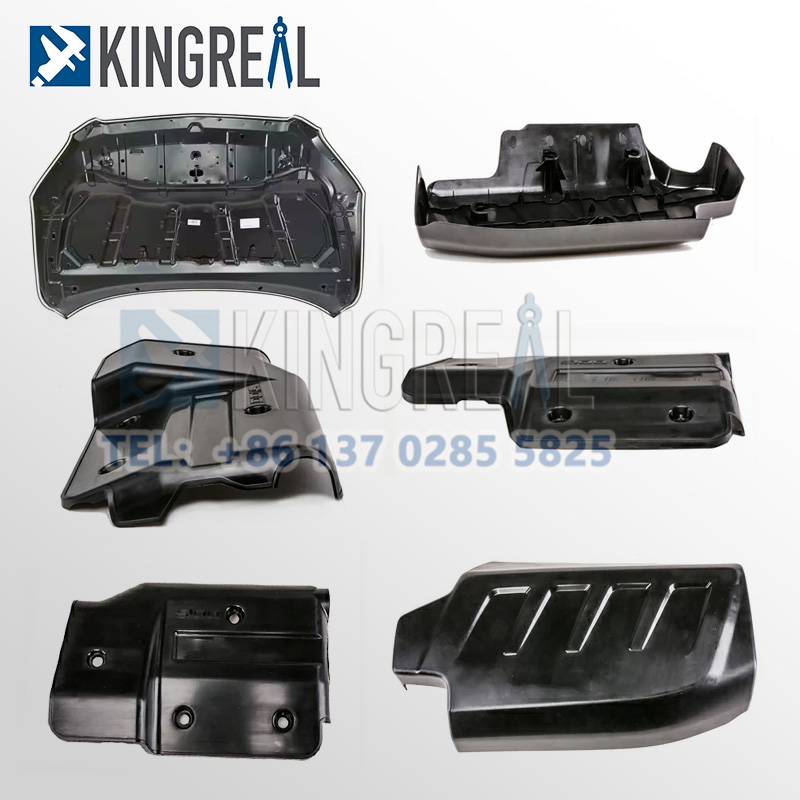
KRMOLD can help you to solve your injection mold design and production needs, with rich experience in producing injection molds for automotive interior and exterior parts, including Turbocharger Housing Mold, Automotive Dashboard Injection Mold, Car Door Panel Injection Mold. and Car Bumper Injection Mold, etc.
Contact us for a complete solution!
Custom designed injection molds for different types of automotive lights, such as signal lights, interior lights, and other automotive lights.Just send us your production requirements and get free injection mold design proposal from KRMOLD.
KRMOLD has successfully provided complete injection molding solutions for auto parts for international famous car companies such as Ford, Honda, Toyota, Volvo and Volkswagen. Welcome to contact us
KRMOLD is committed to helping customers provide customized automotive injection mold products, including all other industry-related mold design and production. Common automotive injection molds include car center console frame mold, automotive dashboard injection mold, car door panel injection mold, car fender injection mold and other injection mold.
KRMOLD automotive control panel injection mould are specialized plastic injection molds used to manufacture automotive dashboards.
KRMOLD car dashboard injection molds are designed to help manufacturers mass-produce complex, high-tolerance dashboard components, ensuring consistency and quality throughout the manufacturing process, and guaranteeing that each dashboard has the correct dimensions, textures, and data.
Automotive instrument panel molds determines the quality of the auto instrument panel. Automotive instrument panels produced using high-quality auto instrument panel injection molds combine safety, functionality, comfort, and aesthetic appeal, and are widely utilized across various automotive manufacturing scenarios.
Car Door Panel Injection Mold is one of the hottest automotive exterior trim molds products, which is used to produce different types of auto door panels and belongs to large injection mold. According to the customer's demand, KRMOLD customized design and production of injection molds, the service life of the injection mold can reach 300,000 times!
Automotive door panel injection molds are technology-intensive injection mold products that incorporate hot runner control, complex mold release mechanisms and high-precision cooling systems, and their design needs to balance functionality, cost and productivity.
How insert injection molding works?
2025-05-28
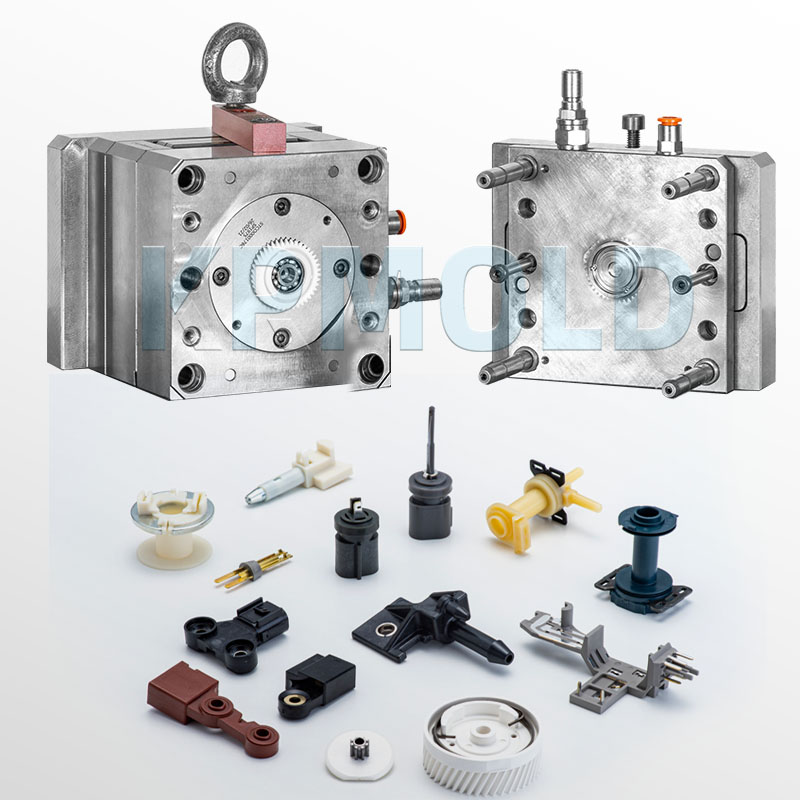
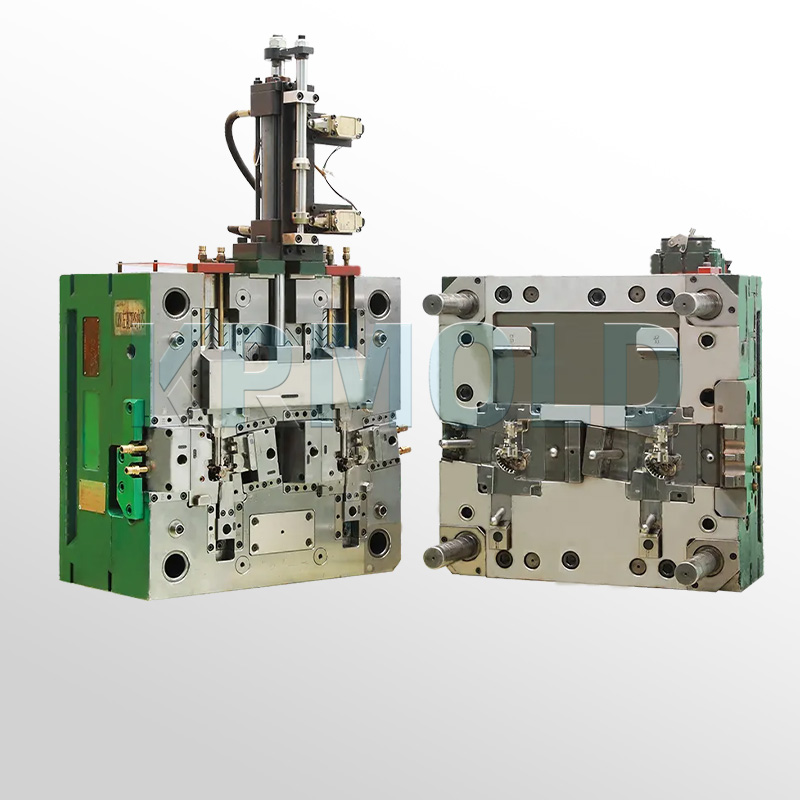
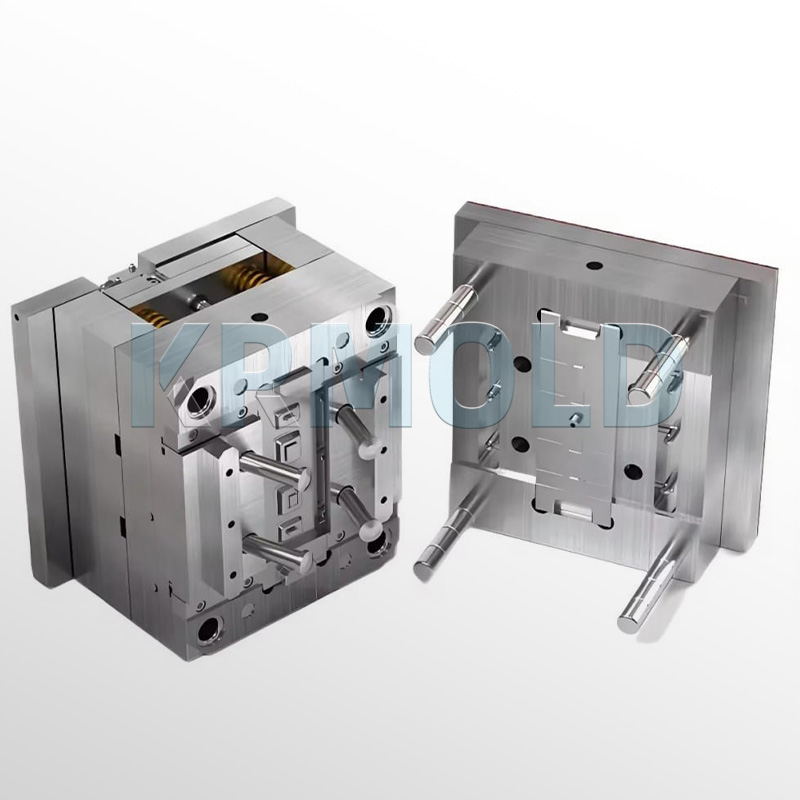
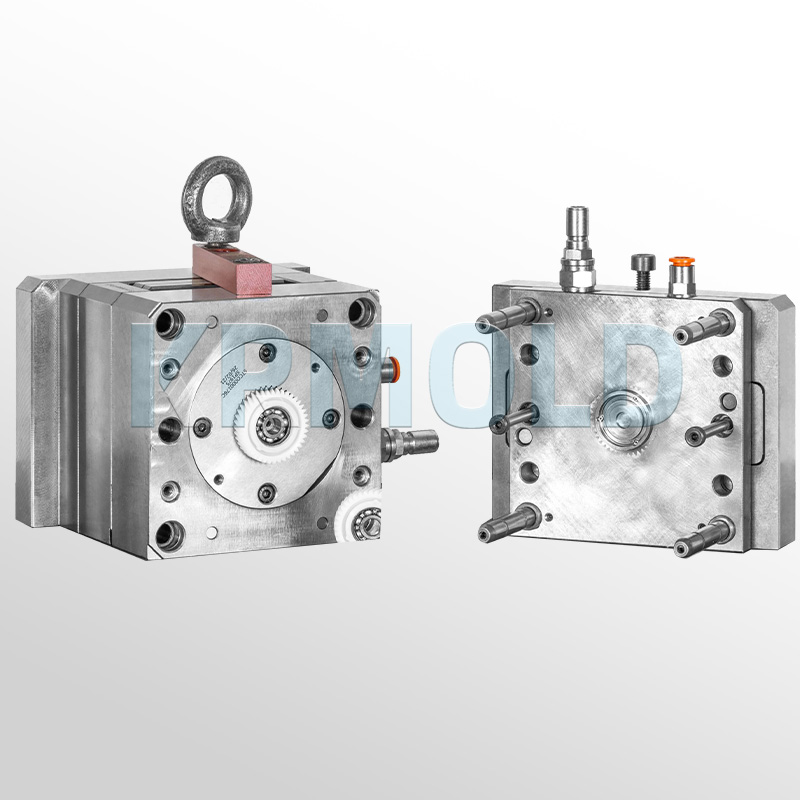
Insert injection molding represents a cutting-edge manufacturing paradigm that combines molten thermoplastics with pre-positioned metallic or non-metallic inserts within specialized insert injection molds. This technology fundamentally differentiates itself from conventional injection molding through its requirement for automated or manual insert loading into molds prior to resin injection. By enabling the fusion of dissimilar materials—ranging from engineering plastics to titanium alloys—insert injection molding produces multifunctional composite components with enhanced mechanical strength, thermal stability, and design complexity.
This technical specification sheet by KRMOLD comprehensively addresses insert injection molding, detailing operational protocols, performance benchmarks, and industry-specific implementations. Validated by ISO 29400 standards, this document serves as a technical reference for engineers and supply chain managers seeking to optimize composite part production.
1
Core Process of Insert Injection Molding
2
Technical Advantages of Insert Injection Molding
3
Industry-Specific Implementations of Insert Injection Molds
4
Innovation Roadmap for Insert Molding
1.Core Process of Insert Injection Molding
Phase 1: Insert Preloading in Insert Injection Molds
The efficacy of insert injection molding hinges on precise insert positioning within insert injection molds. Engineers must account for thermal expansion mismatches (Δα ≤0.5×10⁻⁶/°C), material compatibility (COC ≥0.85), and mechanical stability during mold configuration. Two primary insert loading methodologies dominate current practices:
(1) Automated Insert Placement System
Equipment Configuration: Six-axis robotic arms with vision-guided positioning systems (repeatability: ±0.015mm) integrated into insert injection molds.
Thermal Management: Ceramic-coated end-effectors withstand mold temperatures up to 300°C without deformation.
Cycle Time Optimization: Achieves 12–15 seconds/part for Φ300mm components, enabling throughput rates up to 240 parts/hour.
Quality Assurance: Inline metrology systems (laser scanning + CMM) validate insert positioning accuracy in real time.
(2) Manual Insert Handling Protocol
Applications: Low-volume production (<500 units/month) and rapid prototyping.
Ergonomic Considerations: Operators use heat-resistant gloves (thermal protection up to 250°F/121°C) when handling inserts in open molds.
Quality Control: 100% manual inspection combined with contact thermometry (±1°C accuracy) to verify insert seating.
Limitations: Positioning accuracy ranges ±0.1mm, with cycle times of 60 seconds/part.
Comparative Performance Analysis
Parameter
Automated System
Manual Process
Positioning Accuracy
±0.015mm
±0.1mm
Throughput (pph)
240
60
Labor Cost ($/hr)
35
28
Yield Rate (%)
98
92
Cycle Time (sec)
15
60
Phase 2: Resin Injection into Insert Injection Molds
The insert injection molding process employs multi-stage injection strategies to optimize melt flow and part integrity within precision-machined insert molds:
(1) Fill Phase
Injection Pressure: 70–110MPa (material-dependent, validated via Moldflow™ simulations).
Velocity Control: 30–80cm³/sec to minimize shear-induced fiber breakage in reinforced plastics.
(2) Pack Phase
Hold Pressure: 40–60MPa maintained for 5–8 seconds to eliminate voids in thick-section areas.
Back Pressure: 5–10MPa ensures polymer homogenization before cooling.
(3) Cooling Phase
Gradient Cooling: Mold temperature maintained at 40–120°C to reduce warpage (ΔT ≤2°C/mm).
Cycle Time: 35–60 seconds, depending on wall thickness (1.5–5mm).
Integrated Systems
Mold Venting: 0.3mm² throttling orifices reduce air entrapment by 92% in insert cavities.
Temperature Control: Closed-loop water circulation system (±1.5°C accuracy) for insert injection molds.
Phase 3: Ejection & Post-Processing of Molded Parts
(1)Demolding Protocol
Sequential Ejection: Tapered cores with draft angles ≥1° prevent part damage during ejection from insert injection molds.
Force Monitoring: Load cells track ejection forces (5–15kN) to detect mold wear in real time.
(2)Secondary Operations
-Deburring
Thermal Deburring: 250°C process removes burrs without mechanical contact.
Vibratory Finishing: Media size 0.3–0.6mm achieves Ra ≤0.8μm surface roughness.
-Heat Treatment
Stress Relief Annealing: 180–220°C for 2–3 hours to eliminate internal stresses.
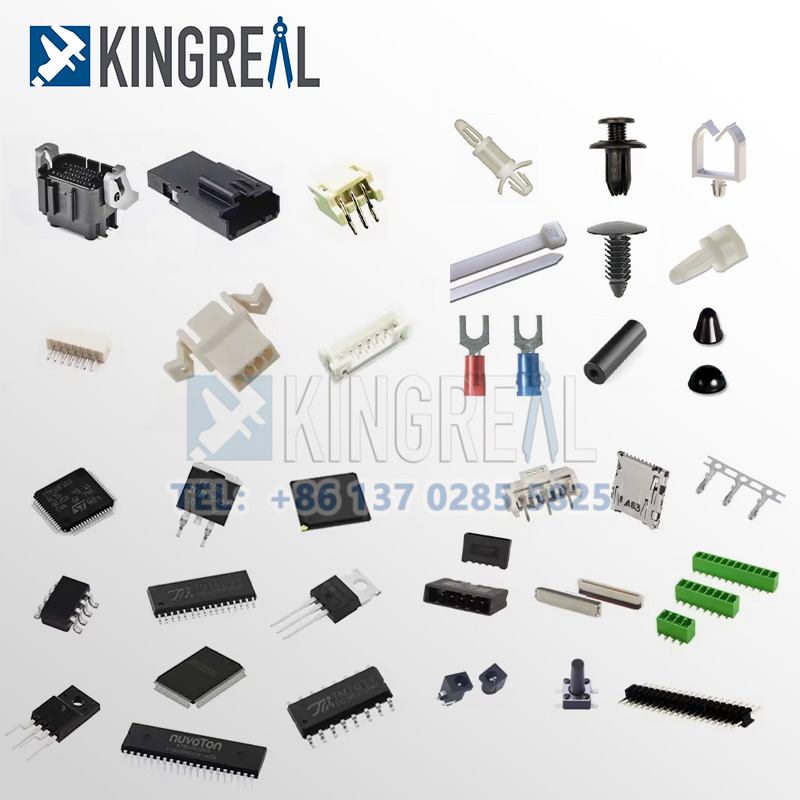
High-Density Connectors: Gold-plated contacts (contact resistance ≤5mΩ) molded using insert injection molds with 0.1mm tolerance.
4.Innovation Roadmap for Insert Molding
KRMOLD’s R&D initiatives focus on:
AI-Driven Mold Compensation: Predictive accuracy ±0.005mm using machine learning algorithms.
Hybrid Laser-Weld Molding: Interface strength increased by 40% through localized laser welding.
Smart Mold Telemetry: IoT-enabled sensors monitor insert injection mold temperature, pressure, and wear in real time.
Strategic Partnership Model
KRMOLD delivers end-to-end solutions through:
Material Database: 800+ validated polymer/metal combinations with DSC/TGA curves.
Virtual Process Simulation: Moldflow™ Premium license for flow, pack, and cooling analysis.
Insert injection molding continues to revolutionize composite manufacturing by enabling lightweight, high-strength components with complex geometries. KRMOLD expertise in insert mold design, combined with our proprietary process optimization frameworks, ensures reliable, scalable, and cost-effective manufacturing outcomes.
For technical consultations or insert mold flow analysis, contact our engineering team to schedule a Deep Dive Technical Review. Let KRMOLD empower your next-generation product development with precision-engineered insert injection molding solutions.