KRMOLD plastic chair injection molds can produce traditional and customized chair styles for a wide range of indoor and outdoor applications.
In the manufacturing process of plastic chair injection mould, KRMOLD pays close attention to the cycle time, parting line, wall thickness, and venting.
Automotive instrument panel molds determines the quality of the auto instrument panel. Automotive instrument panels produced using high-quality auto instrument panel injection molds combine safety, functionality, comfort, and aesthetic appeal, and are widely utilized across various automotive manufacturing scenarios.
Pipe elbow mould are designed for high-volume production of 90° or 180° pipe elbows. These PVC elbow pipe injection molds are widely used in piping systems across multiple fields.
Syringe plunger injection molds play a crucial role in the medical industry, widely used in the production of high-performance, high-quality syringe components. The overall performance of the medical syringe depends on the accuracy of the shape and measurements of the syringe plunger, which is a critical component of the syringe. Specializing in the research and development and production of disposable syringe plunger molds, KRMOLD seeks to give clients steady and dependable manufacturing solutions meeting industry requirements.
The car air conditioner vents produced by car air conditioner vent injection molds are essential components for any vehicle, providing efficient cooling and ventilation inside the cabin. These vents are made from high-quality materials and feature a sophisticated design, perfectly fitting any standard automotive air conditioning system, ensuring optimal performance and long-lasting durability.
Plastic car radiator tank mould are specifically designed to produce radiator water tanks, with their internal design deeply considering the characteristics of automotive radiators.
KRMOLD injection mold for steering wheel offer customers the best solutions. Whether it's complex geometry, multi-material compatibility, high-precision manufacturing, or long lifespan, these car steering wheel injection molds can meet diverse customer needs.
Automotive fan radiator mould enable the mass production of high-quality fans installed in automobiles. KRMOLD provides high-quality car radiator fan shroud mould due to its extremely stringent requirements for mold materials and processing.
Importance of Water Flow Test in Automotive Trim Strip Injection Mold
2026-05-07
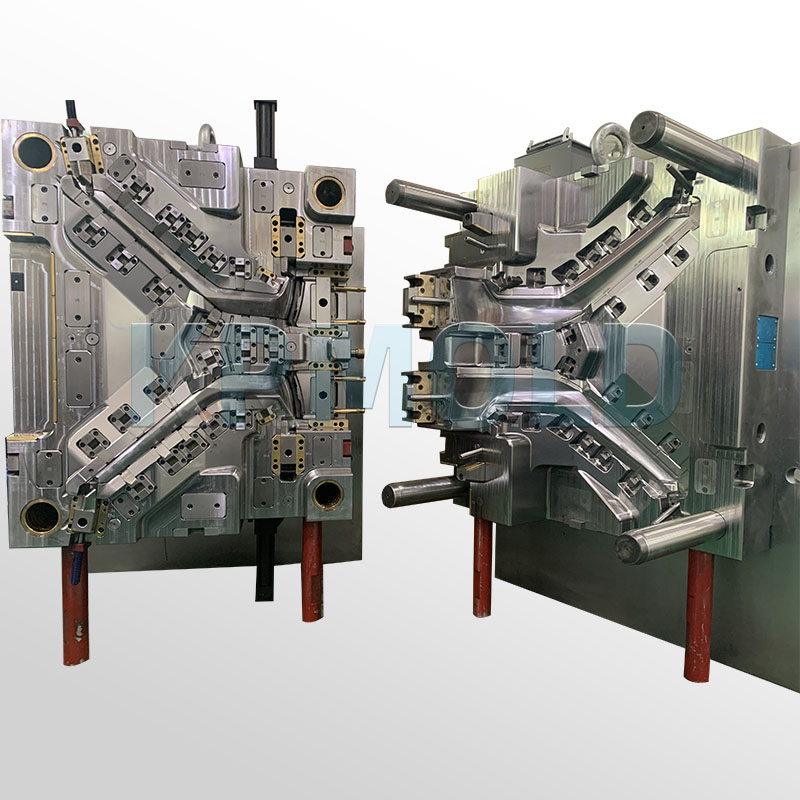
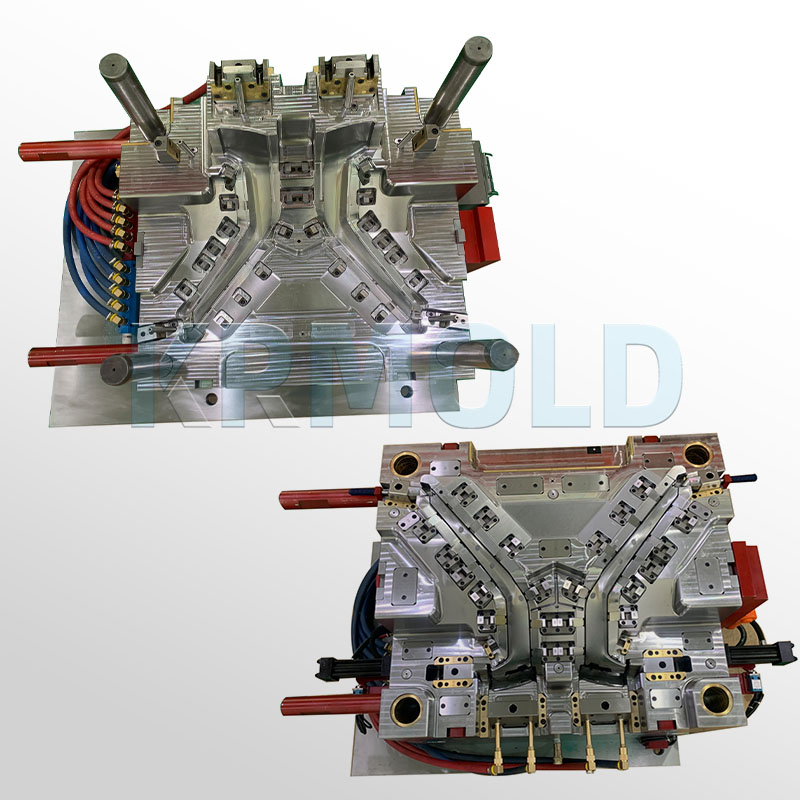
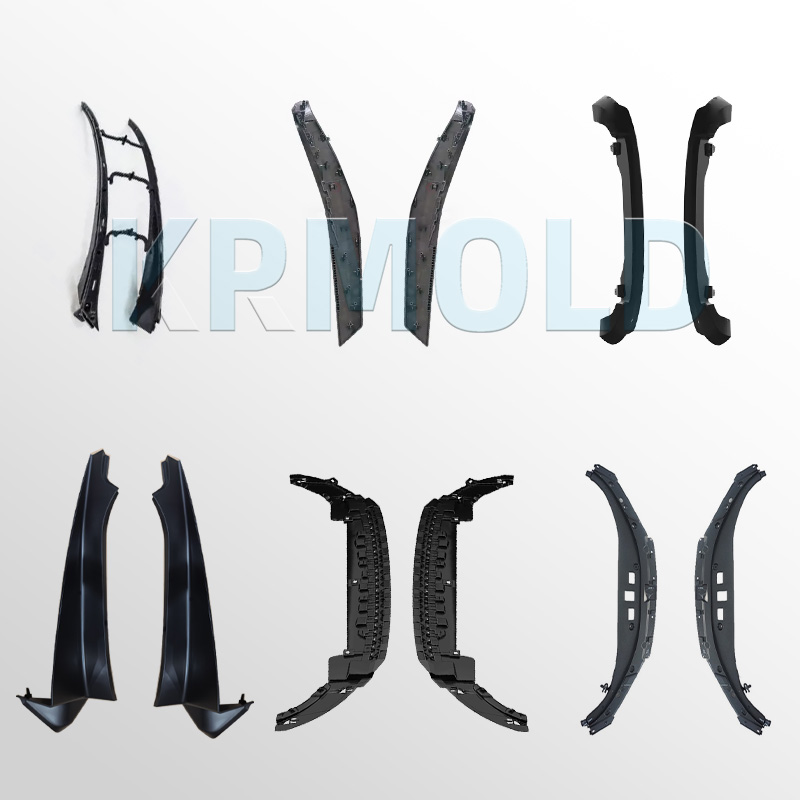
Automotive trim strip injection molds are specifically designed for manufacturing precision automotive trim strip plastic parts. Throughout the design, production, and routine maintenance of the injection mould for auto trim strip, water flow testing is an indispensable and crucial step, far exceeding ordinary routine checks. It directly impacts mold operational stability, production efficiency, product quality, and mold lifespan. This article will detail the importance of water flow testing in conjunction with the characteristics of automotive trim strip injection mold usage, and outline the specific key points of the testing methods, providing practical reference for relevant practitioners.
Why is Water Flow Testing Important for Injection Mould for Auto Trim Strip?
Ensuring Uniform Cooling
As a key means of verifying the performance of the cooling system, water flow testing can accurately check whether the cooling water channels are evenly distributed around the cavity of the automotive trim strip injection mold, and whether it can achieve uniform cooling of all parts of the cavity, thereby effectively avoiding defects in the plastic parts caused by uneven cooling.
Optimizing Cooling Efficiency
Water circuit testing allows for precise measurement of key parameters such as flow rate, velocity, and pressure drop in the cooling water circuit, determining whether the automotive trim strip injection mold's cooling system is operating at its optimal state. An efficient cooling system can quickly remove heat from the mold cavity, shortening the cooling time of the plastic part, thereby improving production efficiency, reducing injection molding machine downtime, and lowering energy costs such as electricity and water consumption.
Preventing Mold Failures
Water circuit testing can promptly identify potential problems such as blockages, leaks, and corrosion in the cooling water circuit, allowing for early repairs and preventing small problems from escalating into major failures. This ensures the normal operation of the injection mould for auto trim strip, extends mold life, and reduces production downtime and repair costs caused by mold failures.
Verifying Design Rationality
Water circuit testing can be conducted before automotive trim strip injection mold manufacturing is completed or during the trial molding stage to verify whether the cooling water circuit design meets expected requirements. It determines whether the water circuit layout matches the cavity structure of the automotive trim strip injection mold and whether the water circuit diameter and spacing meet cooling needs.
Ensuring Product Quality Stability
Water system testing ensures that the automotive trim strip injection mold maintains stable cooling performance during long-term, high-volume operation. This guarantees that each batch of automotive trim strips meets industry standards and customer requirements in terms of size, shape, surface quality, and mechanical properties, effectively reducing product defect rates caused by cooling issues.
Key Points of Automotive Trim Strip Injection Mold Water Flow Testing
Water flow testing of injection mould for auto trim strip is crucial for ensuring the normal operation of the mold cooling system, preventing leaks, and guaranteeing product quality. This is especially true for the precision-engineered and demanding automotive trim strip injection mold, where standardized water flow testing is indispensable. Considering the structural characteristics and usage requirements of the injection mould for auto trim strip, its water flow testing mainly includes the following key points. Each step must be strictly followed to ensure accurate and reliable test results.
(1) Visual Inspection
-Inspect joints and connections: Carefully examine the external water connectors, quick plugs, plugs, and other components of the automotive trim strip injection mold to confirm whether they are loose, cracked, or leaking. Check whether the threads of the joints are stripped, and whether the PTFE tape is insufficiently wrapped or damaged to avoid water leakage due to poor sealing.
-Inspect parting surfaces and inserts: Observe the parting surfaces, slides, and insert joints of the injection mould for auto trim strip for abnormal phenomena such as water stains or fogging to determine whether there is a sealing failure inside the automotive trim strip injection mold.
(2) Air Pressure Test
-Operating Procedure: Seal all outlets of the automotive trim strip injection mold's water system with special plugs to ensure no air leakage. Then, introduce compressed air and maintain pressure for 5-10 minutes. During this process, closely observe the pressure gauge readings and record them.
-Result Judgment: If the pressure gauge reading remains stable during the pressure holding period without any drop, it indicates that the water circuit seal of the automotive trim strip injection mold is basically normal and there is no leakage problem; if the pressure gauge reading drops, it indicates that there is leakage in the water circuit, and further investigation of the leak point is required, focusing on joints, plugs, parting surfaces, etc., to ensure that the specific leak point is found and repaired.
(3) Water Flow Test
-Operating Procedure: Securely connect the automotive trim strip injection mold to the cooling water system, ensuring that there is no leakage at the connection point; then slowly open the cooling water valve to flow water into the water circuit, controlling the water flow speed during the process to avoid the water flow being too fast and impacting the mold water circuit; at the same time, observe whether the water circuit is unobstructed, whether there is any blockage, abnormal water flow, or leakage, focusing on checking the water flow status at the water circuit outlet.
-Results Judgment: If the water flow is smooth, the water flow at each outlet is uniform, and there is no leakage, it indicates that the water system of the injection mould for auto trim strip is unobstructed and free from blockages or leaks. If there is poor water flow, interruption, or leakage, it is necessary to promptly check the water system for foreign objects, pinholes, cracks, or sealing problems. After cleaning the foreign objects or repairing the damaged parts, the water flow test should be repeated until the water system is unobstructed.
(4) Flow and Temperature Testing
-Using specialized equipment: A dedicated mold water system flow detection system is employed. Sensors are installed at the inlet and outlet of the automotive trim strip injection mold's water system. The sensors can accurately measure the water flow rate, temperature, and pressure difference, and record relevant data to provide a basis for optimizing the cooling system.
-Result Judgment: Compare the measured actual flow rate and temperature with the preset standard valuesto analyze the working status of the cooling system. If the deviation between the actual parameters and the standard values is within the allowable range, it indicates that the injection mould for auto trim strip has a uniform cooling effect without local overheating or insufficient cooling. If the deviation exceeds the allowable range, the water flow rate or temperature needs to be adjusted to optimize the cooling system parameters and ensure that the cooling effect meets the requirements, thereby guaranteeing the molding quality of the automotive trim strip.
(5) Segmented Testing
-Operation Steps: Using the segmented sealing method, the water circuit of the injection mould for auto trim strip is divided into several segments. Each segment is sealed separately, and then each segment is tested for air pressure or water flow. Through the results of the segmented testing, the fault range is narrowed down, and the fault location is accurately located.
-Result Judgment: Through segmented testing, if a certain segment has problems such as pressure drop, leakage, or poor water flow, it indicates that there is leakage or blockage in that segment of the water circuit. Targeted repairs can be carried out to avoid wasting time and costs due to blind repairs. After the repair is completed, the segment of the water circuit needs to be retested to ensure that the fault is completely resolved.
Before delivering each automotive trim strip injection mold, KRMOLD conducts extensive and rigorous water system tests according to the aforementioned testing criteria. Simultaneously, in accordance with injection mould for auto trim strip acceptance specifications, they comprehensively verify all aspects of the automotive trim strip injection mold's performance to ensure that every injection mould for auto trim strip delivered to the customer is in optimal working condition, guaranteeing the customer's production efficiency and product quality.
For more details regarding the water flow testing of automotive trim strip injection molds, or for mold customization and maintenance needs, please feel free to contact KRMOLD.