KRMOLD plastic chair injection molds can produce traditional and customized chair styles for a wide range of indoor and outdoor applications.
In the manufacturing process of plastic chair injection mould, KRMOLD pays close attention to the cycle time, parting line, wall thickness, and venting.
Automotive fan radiator mould enable the mass production of high-quality fans installed in automobiles. KRMOLD provides high-quality car radiator fan shroud mould due to its extremely stringent requirements for mold materials and processing.
Knife handle injection molds are widely used in the mass production of various knife handles, especially fruit knife handles and folding fruit knife handles. KRMOLD is committed to providing high-quality plastic knife handle mould that meet customers' comprehensive needs for precision, functionality, and aesthetics.
KRMOLD Automotive trim strip injection molds can efficiently produce trim strips of various complex shapes, materials, and designs, widely used in key areas such as doors, dashboards, center consoles, and window frames.
KRMOLD has accumulated extensive experience in the design and manufacture of auto headlight holder plastic molds, committed to providing customers with high-quality headlight auto lamp housing plastic mold solutions. As a crucial support component of the headlight, the auto headlight holder has a profound impact on its safety and reliability.
These auto headlight holder plastic molds enable high-precision, high-volume production, helping customers deliver high-quality products in a short time.
KRMOLD specializes in providing high-quality waste bin injection molds, capable of designing and manufacturing plastic trash bin injection molds for various capacities to meet specific project needs, including 32L, 45L, 60L, 80L, 120L, and 240L.
KRMOLD is dedicated to providing a complete range of plastic pallet injection molds, capable of producing pallets in various sizes for widespread use in everyday goods handling and product transportation in factories. KRMOLD plastic pallet injection mould not only meet market demands but also offer customized designs based on different customer application scenarios and handling conditions.
KRMOLD plastic pillar car part injection mould are high-precision molds specifically designed for manufacturing automotive pillars. Producing automotive components such plastic A-pillars, B-pillars, and C-pillars, which have a vital supporting and stabilizing function in the frame of the vehicle, these automotive pillar injection molds help to shape such components.
Basics of Automotive Engine Cover Mould Design
2026-01-08
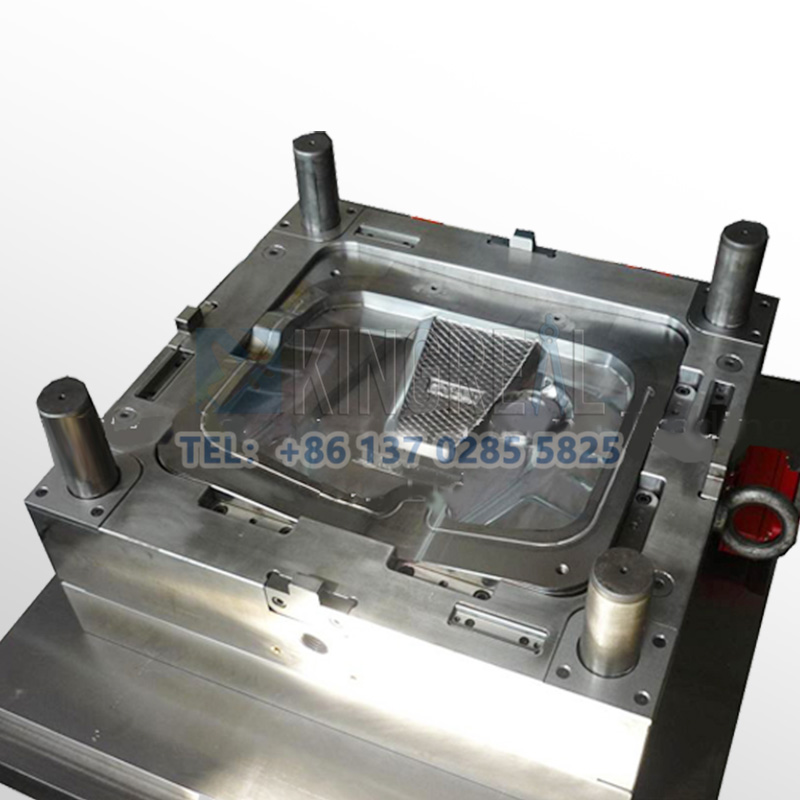
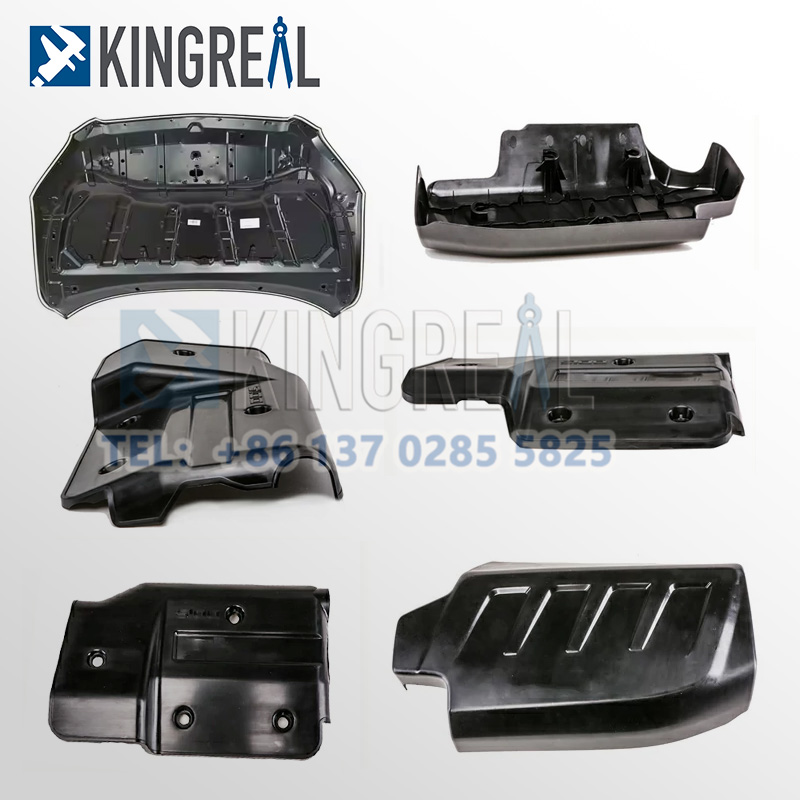
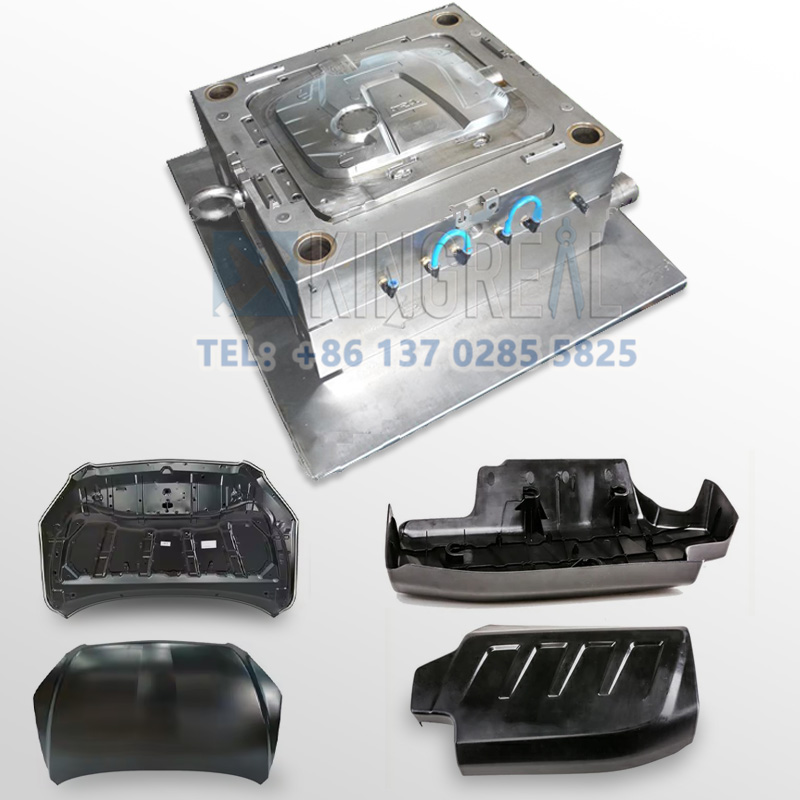
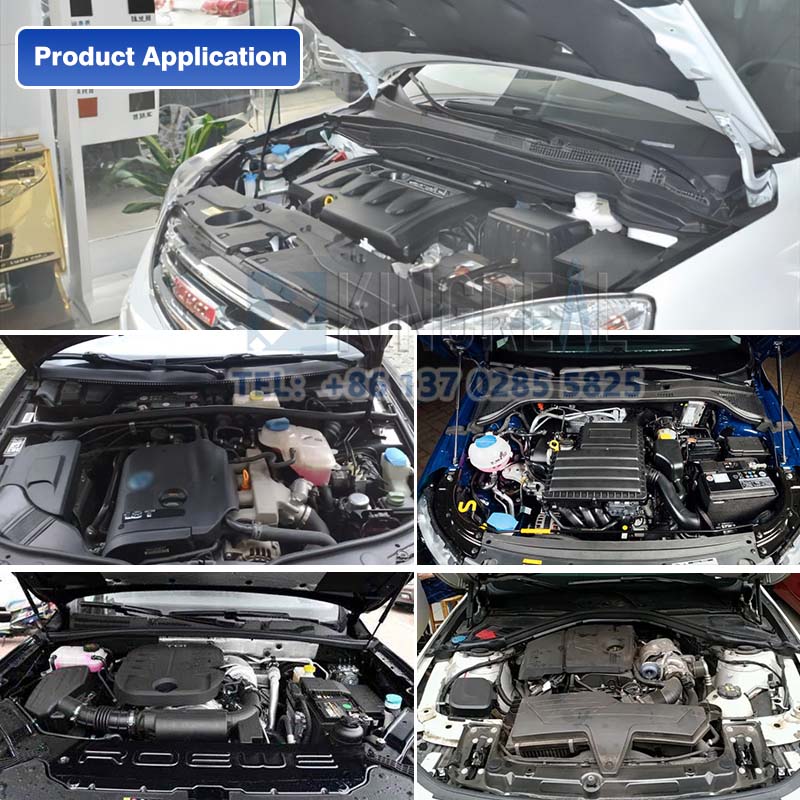
With the rapid development of the automotive industry and the deepening exploration of automotive manufacturing technology, plastic injection mold design has become a crucial component of this field. KRMOLD specializes in various types of auto parts injection molds, including those for automotive engine covers, dashboards, door panels, and radiator grilles. This article will detail the fundamentals of automotive engine cover mould design to assist companies interested in entering the industry, those seeking automotive engine cover injection mold manufacturers, and those with existing experience planning to expand production.
Key Considerations Before Designing an Automotive Engine Cover Mould
Understanding the design requirements of the part is central to all automotive engine cover mould design projects. KRMOLD engineers examine the geometry, intended purpose, required tolerances, and surface finish of the component as well as any specific design considerations. The design of the automotive engine cover injection mold must be changed to include these characteristics if the part has a complicated form to guarantee successful molding; tight tolerances call for precision manufacturing and exact material selection.
2. Material selection of automotive engine cover mould
The choice of material directly impacts automotive engine cover injection mold design decisions. The processing temperatures and pressures for thermoplastics (such as ABS and polypropylene) differ significantly from those for high-performance engineering plastics (such as PEEK or POM). Furthermore, molding liquid silicone rubber (LSR) presents unique challenges, requiring specialized equipment and mold coatings to most effectively handle the material's properties.
3. Production volume and cost impact for automotive engine cover mould
Different production volumes influence the material selection as well as the design complexity of automotive engine cover mould considerably. Although prototypes or small-batch manufacturing could choose aluminum molds or single-cavity designs to save expenses and fit with shifting market expectations, high-volume production usually calls for hardened steel structures and multi-cavity molds for endurance.
4. End-use industry requirements
Different application industries have different plastic injection mold design requirements. Automotive applications require auto parts injection molds capable of withstanding extreme temperatures and mechanical stresses; medical device injection mold needs to balance bio-compatibility and clean processes; while consumer electronics prioritize aesthetics and precise dimensional control.
1. Part design review for automotive engine cover mould
The design process starts with a Design for Manufacturability (DFM) assessment. Identifying possible problems like too thin walls, sharp corners, or features that might result in molding flaws, KRMOLD engineers evaluate the part's viability for effective molding. Designers of products and mold engineers must work closely at this point to maximize the form of the component.
2. Draft angle and wall thickness design for automotive engine cover mould
Draft angle and wall thickness are crucial for ensuring successful part ejection and maintaining its quality. An appropriate draft angle (typically 0.5-2 degrees) prevents the part from sticking to the automotive engine cover injection mold or causing surface damage during ejection. Simultaneously, uniform wall thickness helps maintain even cooling of the part, preventing warping, shrinkage marks, and internal stresses that could affect part integrity.
3. Undercut and complexity design for automotive engine cover mould
Undercut features require special attention in automotive engine cover injection mold design. Simple undercuts can be addressed through proper part positioning, while more complex features require the use of sliders, angled ejectors, or foldable cores. While these design mechanisms increase mold costs and complexity, they enable the molding of parts that were previously impossible to produce, significantly enhancing mold functionality.
4. Gate and runner design for automotive engine cover mould
The design of gates and runners directly impacts material flow and part quality. Gate location affects filling patterns, weld lines, and surface finish. Runner system design must balance material usage and filling efficiency, while also considering shear heat and pressure drop throughout the flow path.
5. Cooling system design for automotive engine cover mould
The design of the cooling system directly affects molding cycle time and part quality. A carefully designed cooling channel system preserves dimensional stability, speeds molding cycles, and disperses heat well. Advanced cooling methods, like those based on conformal cooling channels carried out by means of 3D printing, can greatly improve thermal management of complicated shapes.
6. Ejection system design for automotive engine cover mould
Ejection methods vary depending on the part's geometry and material properties. Simple parts can use pin ejection, while complex geometries may require stripper plates or air ejection systems. The ejection system must ensure that parts can be removed intact and undamaged, and be able to adapt to changes in thermal expansion and contraction.
Considerations When Choosing an Automotive Engine Cover Mould Company
When cooperating with an automotive engine cover injection mold manufacturing company, choosing the right partner is crucial. Here are some key considerations when selecting an automotive engine cover mould company:
1. Experience and professional skills for automotive engine cover mould
Experience and professional skills are essential in automotive engine cover injection mold design and manufacturing. Extensive experience directly impacts mold quality and reliability. A company with years of industry experience can effectively identify and resolve potential problems during the design process, improving production efficiency and reducing defect rates. KRMOLD has accumulated over twenty years of experience in automotive engine cover mould manufacturing, covering a wide range from standard molds to non-standard products, providing reliable assurance to customers and ensuring the quality and performance of every mold.
2. Technical equipment for automotive engine cover mould
Selecting an automotive engine cover mould maker depends also on the equipment and method of production used as well as on other factors. Advanced techniques of manufacturing and gear can greatly increase the accuracy and efficiency of automotive engine cover mould. Therefore, in assessing an automotive engine cover injection mold firm, one must note the degree of technical level and kind of equipment it employs. To meet the output demands of several challenging specifications, KRMOLD employs cutting-edge manufacturing technology and newest equipment, therefore guaranteeing the accuracy of items made by customers.
3. Quality assurance for automotive engine cover mould
The performance and dependability of the finished product depend on the quality of the automotive engine cover injection mold directly. Companies should so make sure the automotive engine cover mould maker they pick has a thorough quality control system. With strict quality control procedures and guidelines, KRMOLD is great in this field. Every automotive engine cover injection mold produced undergoes comprehensive inspection to ensure it meets industry standards and tolerance requirements, thereby avoiding losses and additional expenses due to quality issues.
4. Material capabilities for automotive engine cover mould
Appropriate material selection is a crucial factor in ensuring automotive engine cover injection mold performance. Therefore, understanding whether an automotive engine cover mould company can provide a variety of materials to meet the requirements of customer projects is particularly important. KRMOLD can flexibly match suitable materials according to customer needs, supporting a variety of options including thermoplastics and engineering plastics, ensuring customers obtain the necessary diversity and adaptability.
5. Delivery time of automotive engine cover mould
In a highly competitive market environment, fast delivery time is a key concern for customers. Choosing an automotive engine cover injection mold manufacturer that provides clear production and delivery schedules can effectively avoid conflicts with one's own production plans. KRMOLD understands customers' timeliness needs, providing fast delivery times and guaranteeing high-quality completion of production tasks within the promised time-frame.
6. Technical support for automotive engine cover mould
Excellent technical support is an indispensable part of customers' automotive engine cover injection mold usage. KRMOLD is committed to providing fast and efficient customer communication channels to promptly resolve any issues customers encounter while using the automotive engine cover mould. Furthermore, KRMOLD offers automotive engine cover injection mold maintenance, repair, and upgrade services to ensure customers have the best experience and maximize product lifespan and functionality.
Designing automotive engine cover mould is not only a technical challenge but also a test of engineers' creativity and experience. By comprehensively considering factors such as part requirements, material selection, production volume, and industry standards, KRMOLD can design efficient and reliable automotive engine cover injection molds, helping customers improve production efficiency. Whether you are a newcomer to the industry or an established company looking to expand production, KRMOLD hopes this article will help you make your decision.