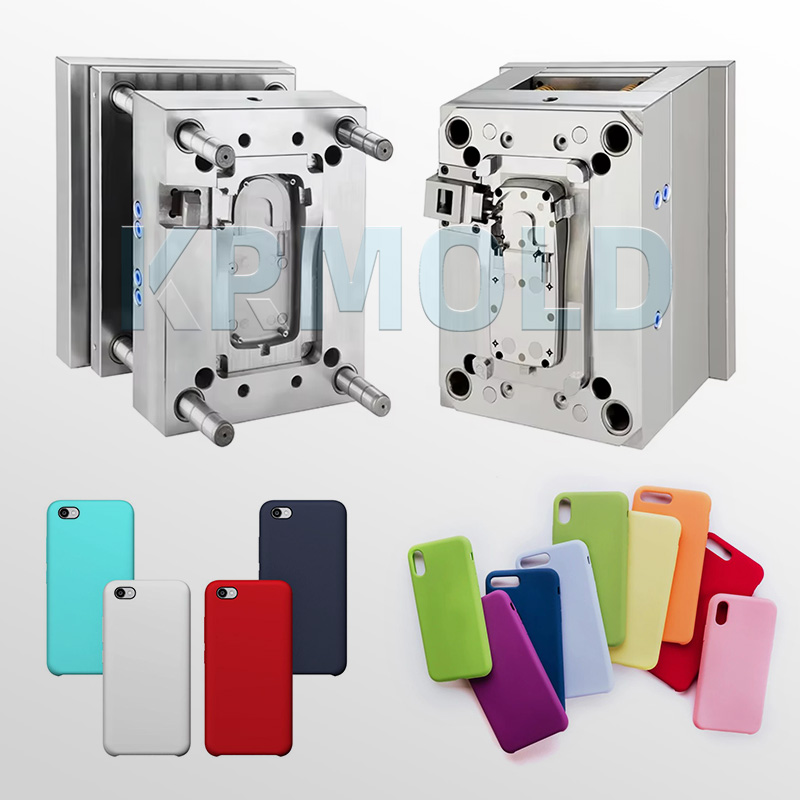
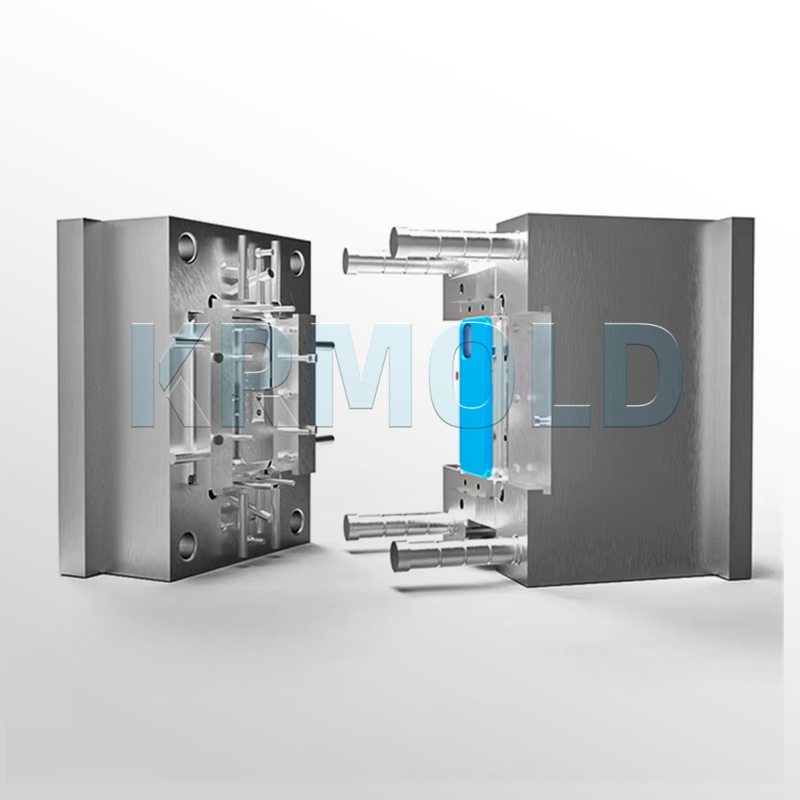
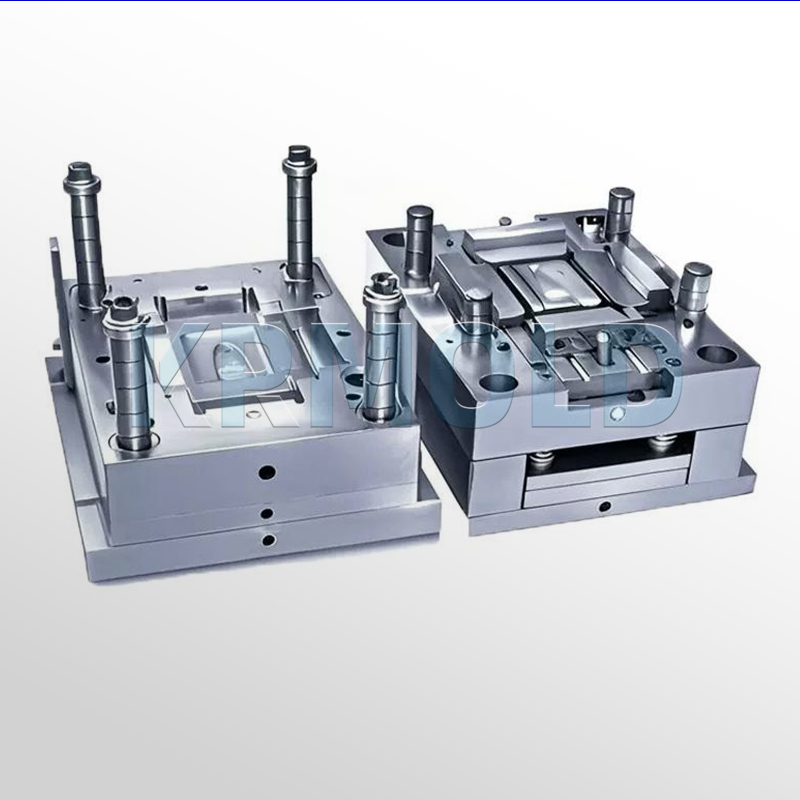
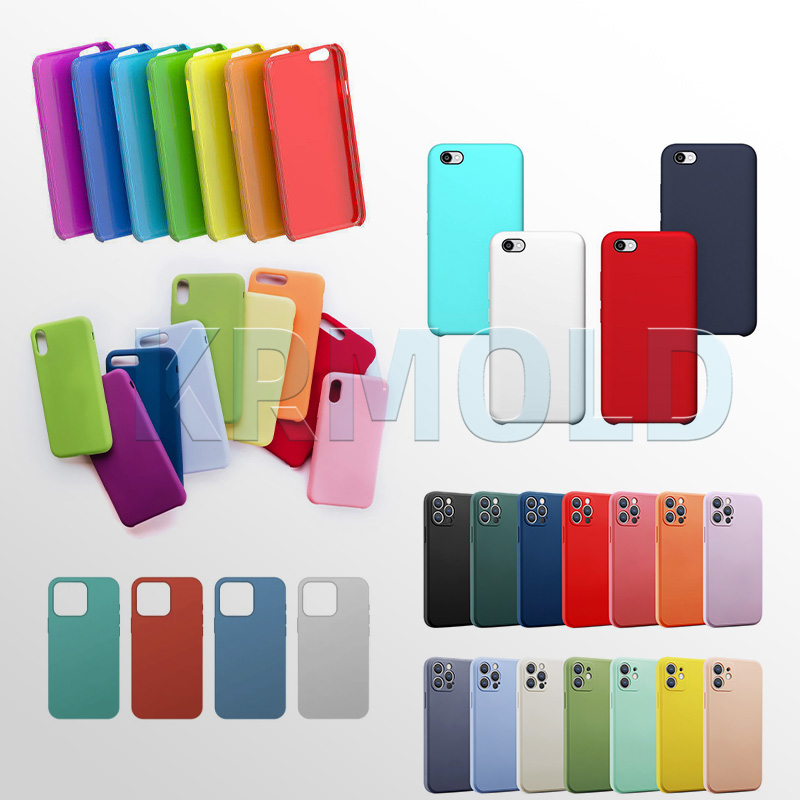
Introduction to Phone Case Injection Mold
The precision of a phone case injection mold directly determines the finished product's assembly fit, tactile feel, and visual quality.
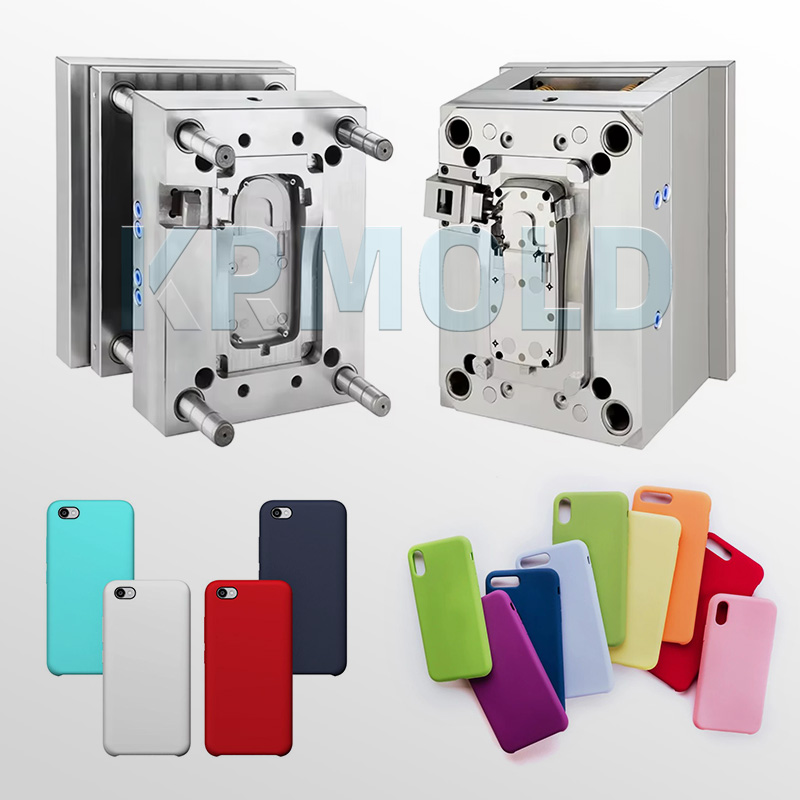
KRMOLD specializes in the R&D and manufacturing of high-quality phone case mould. By precisely injecting molten plastic into the mold cavity and utilizing rigorous cooling and solidification cycles, we achieve efficient molding for phone cases with complex specifications.
KRMOLD phone case mold solutions not only meet functional protection needs but also set industry standards for durability and design versatility.
Raw Material Pre-treatment for Phone Case Injection Mold
The physical properties of a phone case—such as impact resistance, transparency, and grip—depend largely on the choice of injection molding material. KRMOLD cell phone case plastic injection mold designs fully account for the rheological characteristics of various polymer materials, ensuring thermal stability during production.
Comparison of Common Injection Molding Materials
| Material | Characteristics | Applicable scenes |
| PC (Polycarbonate) | High transparency and impact resistance | Transparent hard case |
| TPU (Thermoplastic Polyurethane) | Soft and drop-proof, easy to color | Soft/anti-slip case |
| ABS+PC hybrid | Combines strength and toughness | Functional thick shell |
| TPU+PC hybrid | Compatible with clear and drop-proof | Printed case |
Technical Specifications of Phone Case Injection Mold
1. Key Phone Case Mold Design Points
-Draft Angle: To ensure smooth ejection without surface scuffing, we strictly control the draft angle between 1° and 3°; for textured surfaces, the angle is increased accordingly.
-Venting System: Phone cases typically range from 0.8mm to 1.5mm in thickness; high-speed injection molding makes trapped air a common issue. KRMOLD cell phone case plastic injection molds feature vent depths controlled between 0.02mm and 0.05mm, ensuring smooth air escape while preventing material overflow (flash).
-Cooling Channel Layout: We employ conformal cooling logic to keep the mold cavity temperature variation within ±1°C, effectively preventing product warpage and reducing production cycles by approximately 15%–20%.
-Mold Lifespan: High-quality mold steels (such as S136 or 718H) are selected to ensure a lifespan of 500,000 to 1,000,000 cycles.
2. Reference Injection Molding Parameters
Melt Temperature: Controlled at 210–240°C for ABS materials; 280–310°C for PC materials to ensure proper flow.
Injection Pressure: Set between 80 and 120 MPa to ensure complete filling of thin-walled areas.
Holding Time: Precise holding for 3–10 seconds is crucial to prevent sink marks, especially in localized thick-walled areas like camera protection rings.
Advantages of KRMOLD Phone Case Injection Molds
1. Deeply Customized Design Capabilities
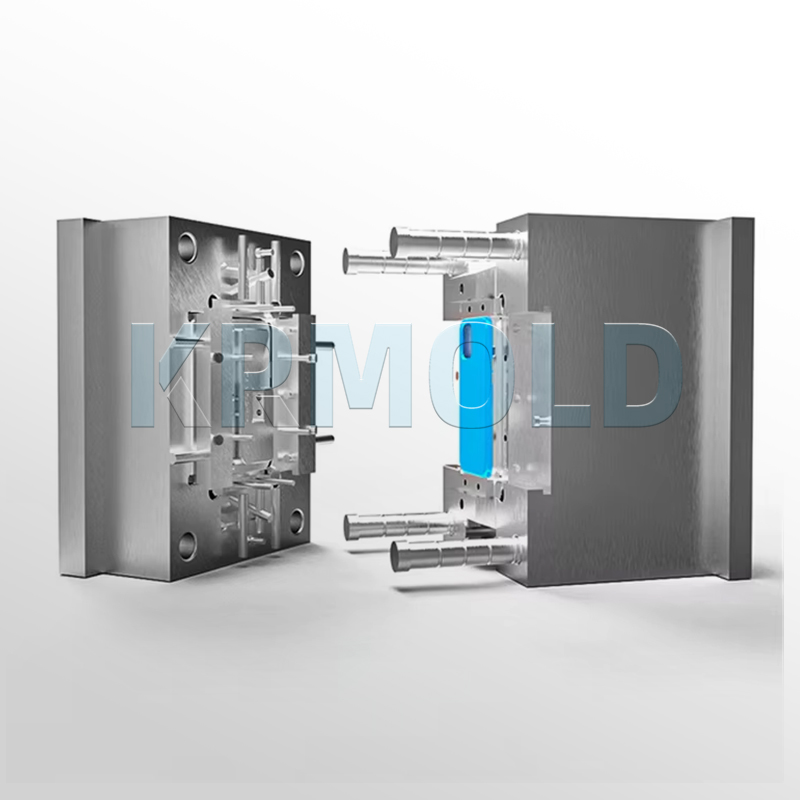
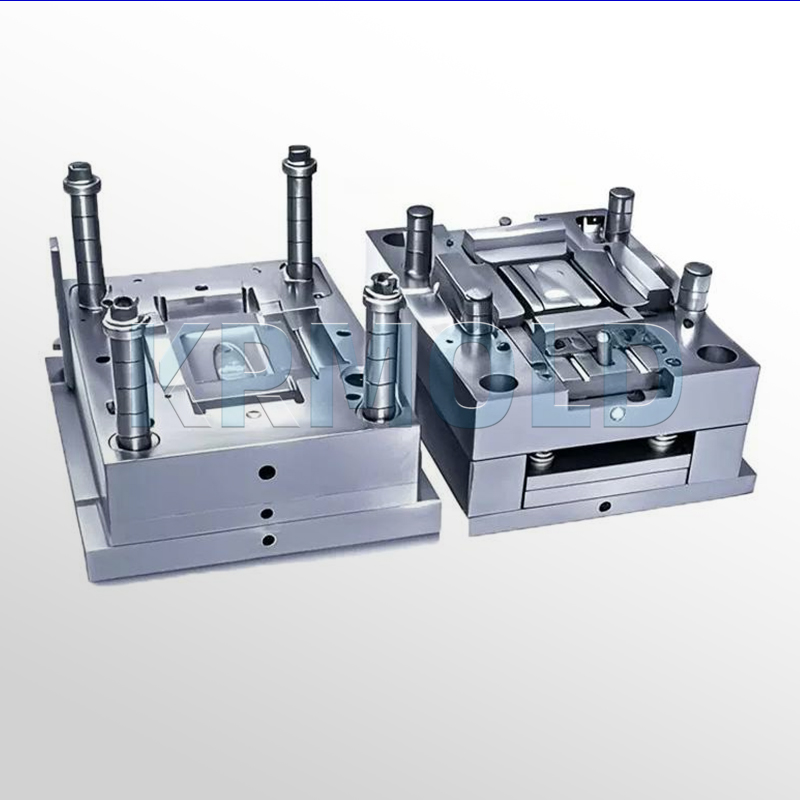
With market demands constantly evolving, KRMOLD offers personalized plastic mobile phone case mold development based on market trends. Whether for ultra-thin cases, magnetic cases, or phone case mould featuring complex 3D relief patterns, KRMOLD provides rapid prototyping based on client-supplied CAD drawings or physical samples.
During the design process, we consider not only geometry but also equipment capabilities to optimize wall-thinning processes, significantly reducing the weight of individual units.
2. Innovative Application of Cutting-Edge Materials
Beyond traditional mold steels, KRMOLD actively explores the use of high-performance materials.
For ultra-high-volume orders, KRMOLD incorporates new reinforced components made from materials such as silicon nitride, silicon carbide, or aluminum oxide.
These materials offer exceptional hardness and thermal conductivity, effectively reducing mold cavity wear.
Their wear resistance far exceeds that of traditional alloys—particularly when producing glass-fiber-reinforced phone cases—thereby greatly extending the phone case mold's service life.
3. End-to-End Quality Control
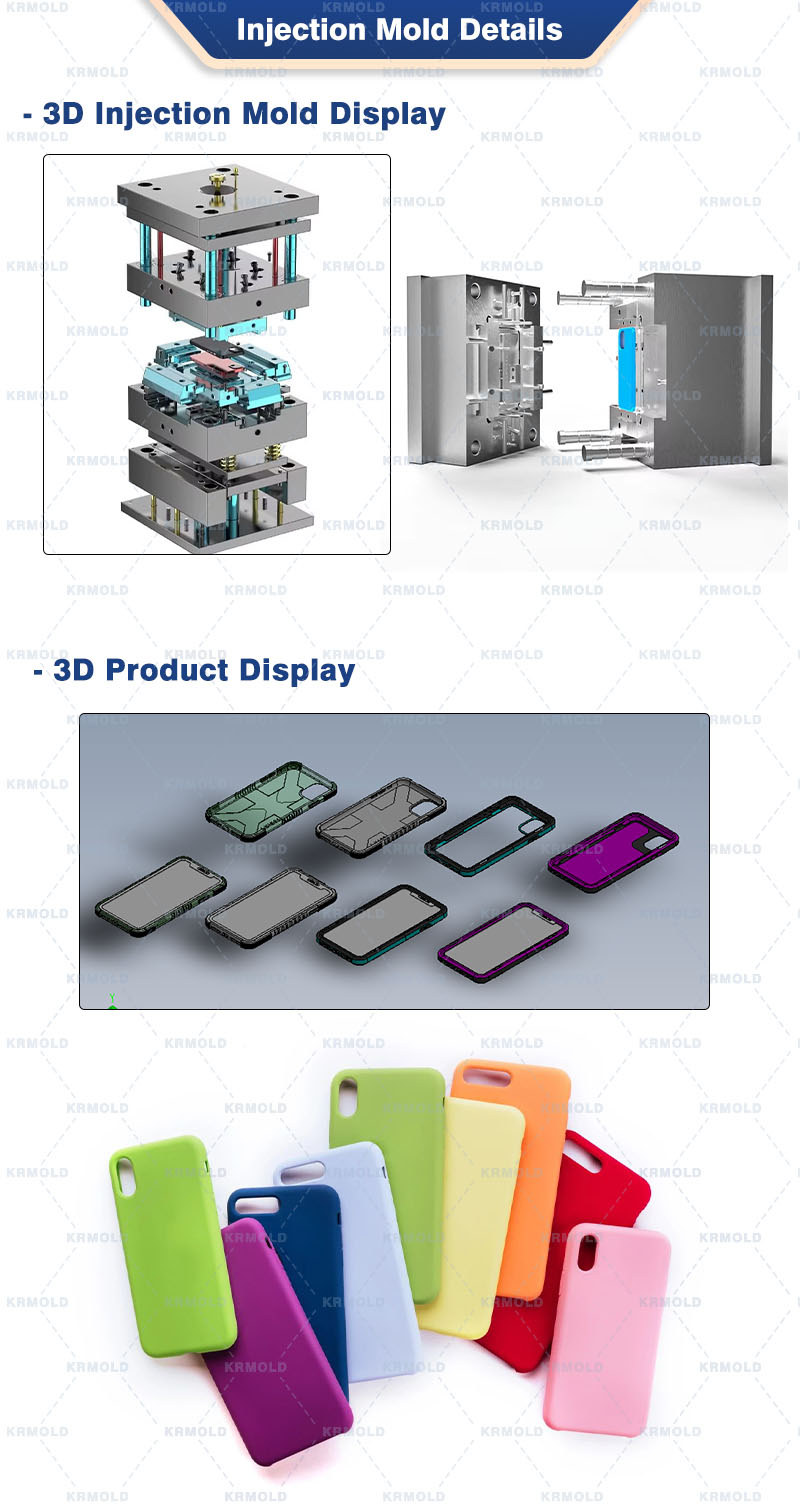
High-quality phone cases result from high-precision machining. KRMOLD implements a three-level precision control system for cell phone case plastic injection mold manufacturing:
-Machining Precision: CNC machining tolerances are controlled within ±0.005 mm.
-Assembly Precision: Ensures minimal parting line gaps and eliminates visible parting lines.
-Testing Precision: Molds undergo at least 24 hours of fully automated trial runs before shipment to ensure stability during continuous production.
Why Choose KRMOLD?
KRMOLD has earned the enduring trust of clients through deep technical expertise and comprehensive service:
Exceptional Quality Assurance:
KRMOLD goes beyond mere plastic mobile phone case mold manufacturing to provide complete injection molding process packages. Every step is fully traceable—from the initial spectral analysis of incoming steel to the final CMM inspection of the finished phone case mould.
Extensive Industry Experience:
With decades of specialization in phone case molds for mobile phone casings and precision electronics, we have built a vast structural database that allows us to anticipate and mitigate over 95% of potential molding risks.
Full Lifecycle After-Sales Support:
KRMOLD provides long-term technical support and spare parts availability. If issues such as difficult demolding, dimensional drift, or surface defects arise during production, our engineering team will deliver a solution within 24 hours, ensuring minimal downtime for your production line.
Specify the type of plastic (e.g. PP, ABS) and post-processing requirements (e.g. spraying, silk-screen printing), and provide 2D or 3D plastic part drawings should be provided. At the same time, provide the production volume, appearance requirements, tolerance standards, etc.
Generally speaking, our engineers will start to prepare the quotation immediately after the customer provides the complete production requirements. Usually it takes about 1-3 days.
The lead time for regular injection molds is usually 30-60 days, and may be longer for complex molds. For example, the typical lead time for liquid silicone molds is around 60 days, covering design, manufacturing, mold testing, etc.
High-precision processing technology: High-precision equipment such as CNC machining centers (CNC) and electric discharge machining (EDM) are used to optimize the design process in combination with CAD/CAM software. Quality control: Inspection of key dimensions of the mold by Coordinate Measuring Machine (CMM) and verification of multiple sample batches during the trial molding stage. Material Selection: Use die steel with high wear resistance (e.g. H13, S136) and surface treatment (e.g. nitriding, chrome plating) for die nuts to extend the life.
After every 50,000 molds, check the guide pillar, ejector pin and other wear parts, and clean up the residual plastic and rust on the mold surface. Use high temperature grease for sliding parts (e.g. tilt top, slider) to reduce friction loss. Ensure that the water circuit is smooth and the temperature difference is ≤5℃ to avoid cracking of the mold due to thermal stress.
Mould cost of materials accounted for about 30-40% (such as 1 ton of P20 steel price of about 20,000 yuan), processing costs accounted for more than 50% (CNC labor hourly rate of about 80-150 yuan / hour). Small batch production can choose aluminum mold or simplify the structural design; more than 100,000 pieces is recommended to use carbide inserts to enhance life!
Mould injection products need to fully meet the design requirements (such as size, appearance), and can be continuous and stable production. Mold marking, inspection reports (such as material hardness test) and engineering drawings should be complete.
Mould steel (such as S136H, NAK80 and other imported materials cost more) and the type of mold embryo (aluminum mold short-term cost is low but short life) directly affect the cost, the use of CAD/CAE/CAM design technology, hot runner system, etc. will increase the upfront investment, but can enhance the long-term benefits (such as reducing the sprues, increase production capacity).