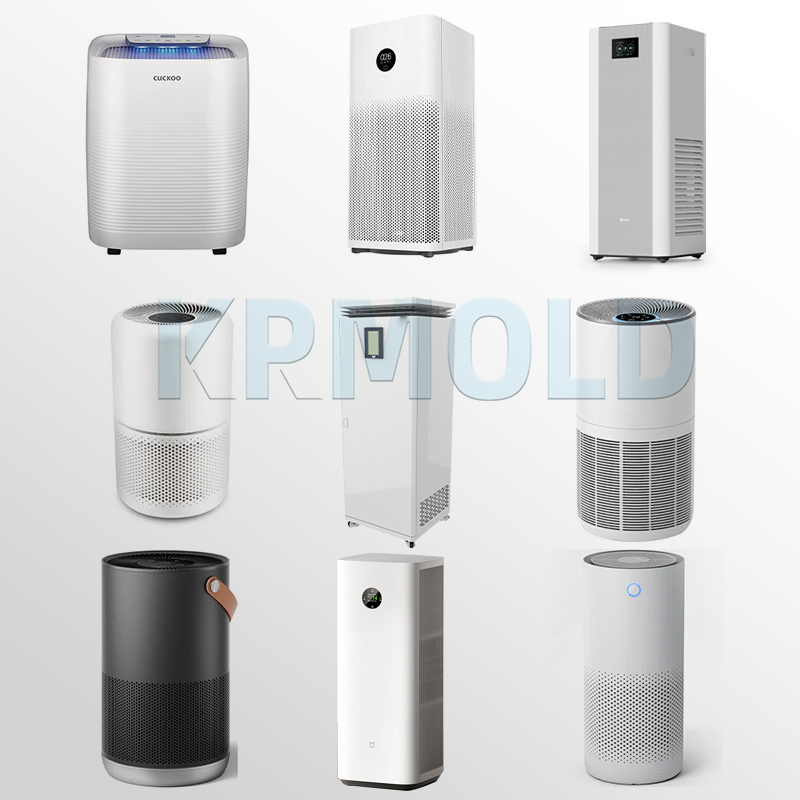
Introduction to Air Purifier Casing Injection Mold
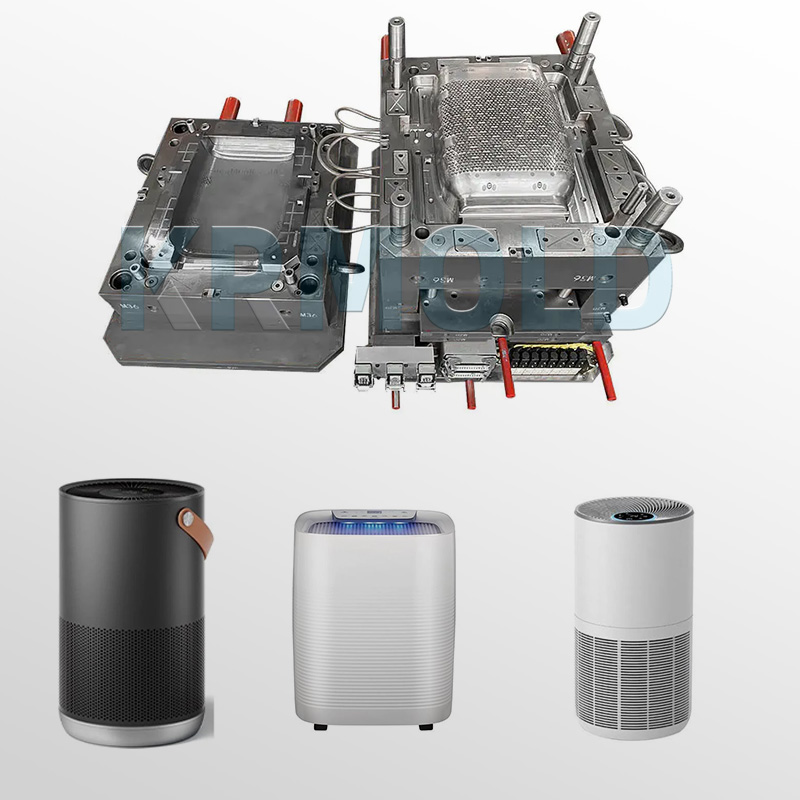
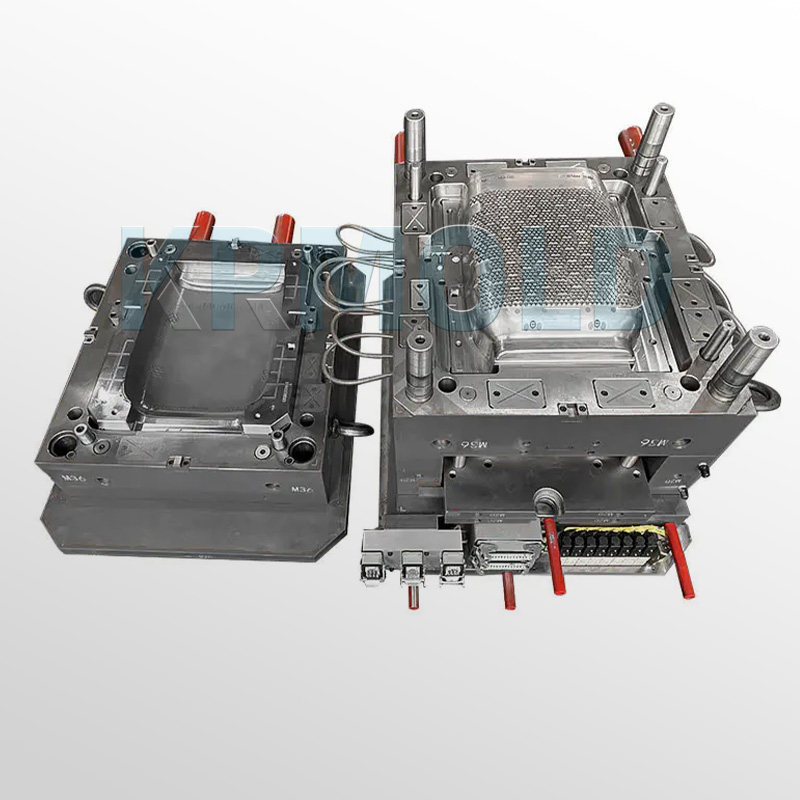
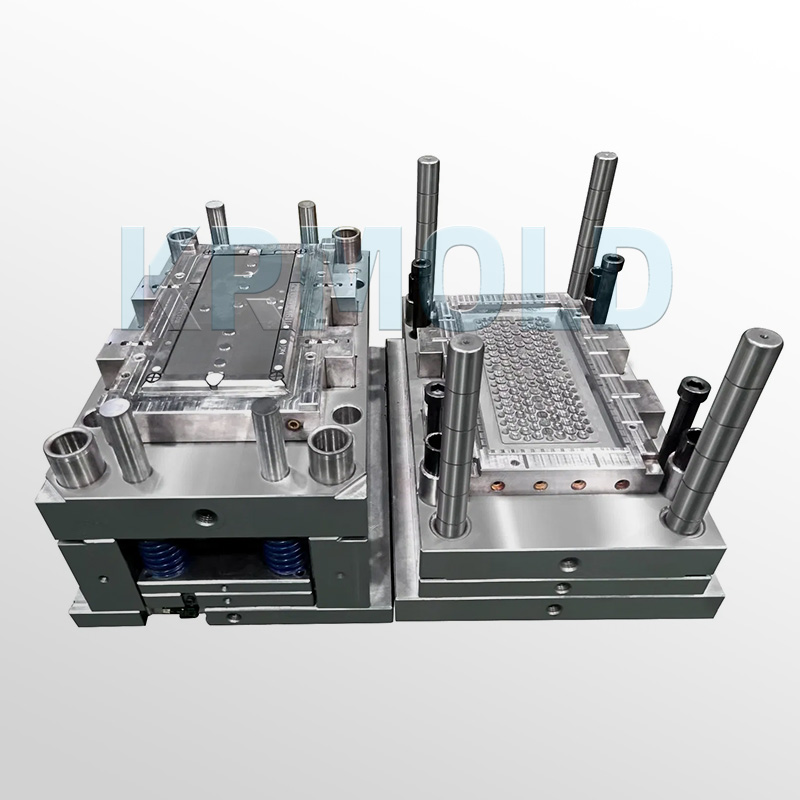
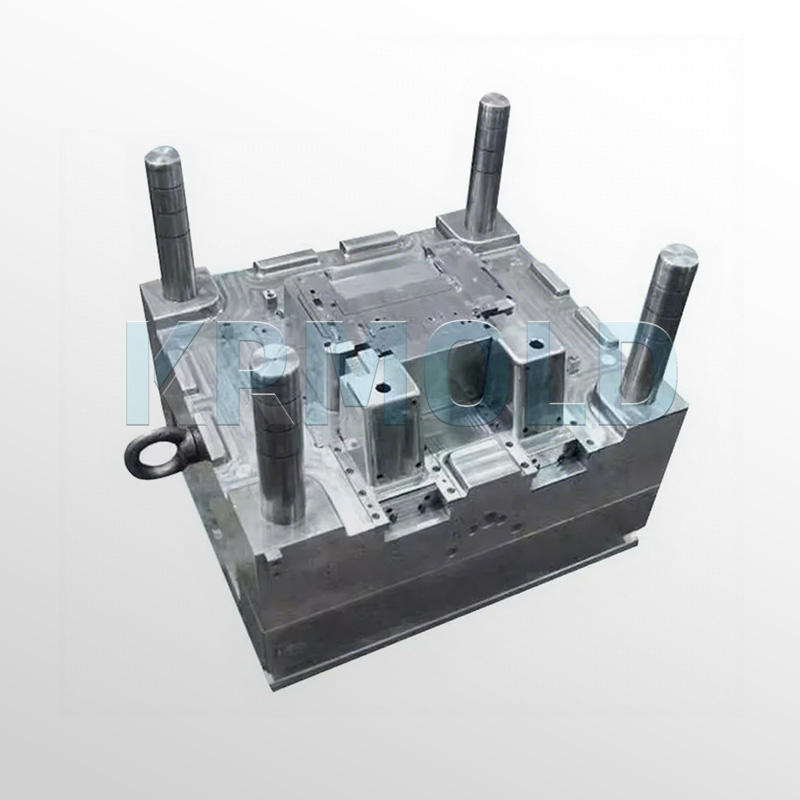
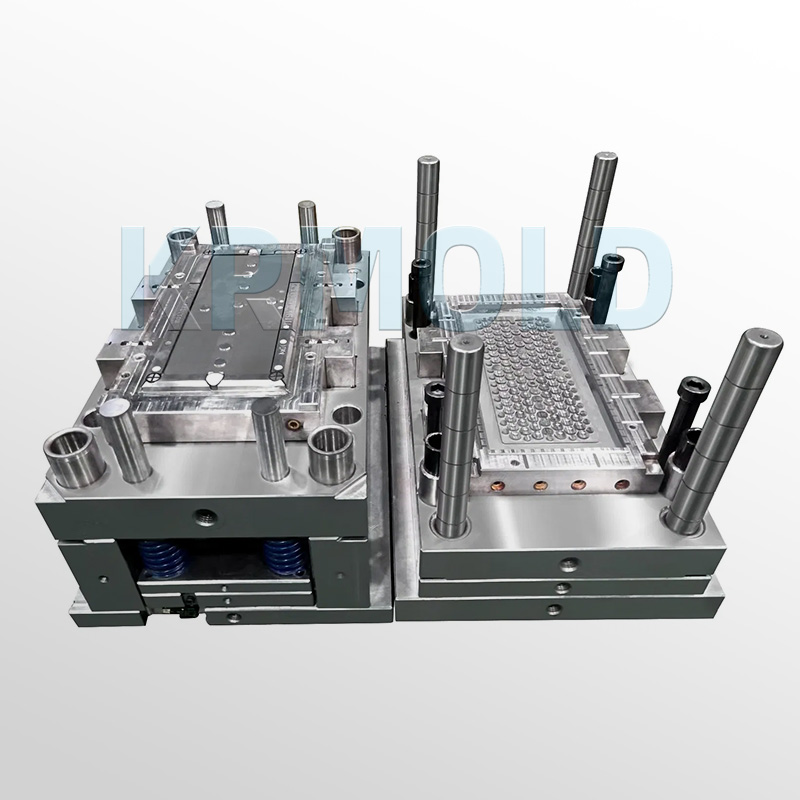
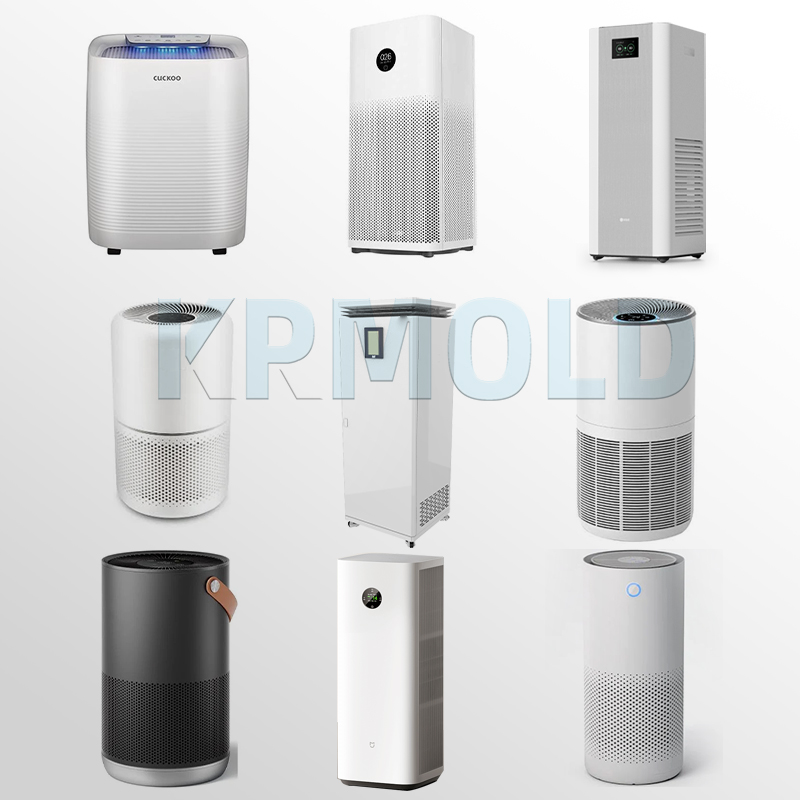
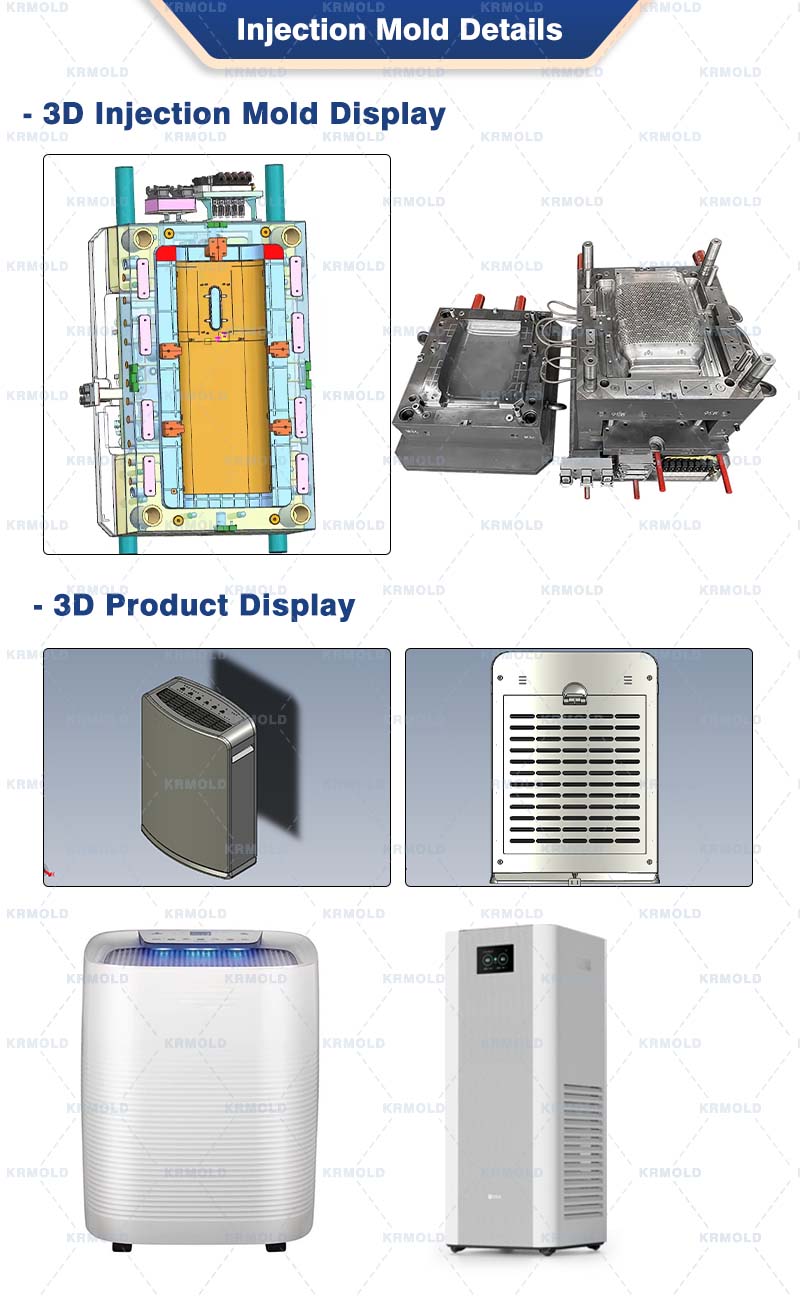
The air purifier casing injection mold is primarily used to manufacture customized plastic housings for air purifiers across various types and specifications.
KRMOLD is dedicated to providing high-performance air purifier filter plastic injection mould solutions for air purifier casings to global clients.
Through precision design and manufacturing processes, we ensure that the products meet international standards for both functionality and aesthetics. The plastic components produced by these air purifier housing injection molds are suitable for a wide range of applications, spanning automotive, household, and medical-grade environments.
Furthermore, the air purifier shell mold supports a high degree of customization. KRMOLD team can integrate custom logo features into the air purifier casing injection mold design based on the client's branding requirements and apply various surface finishes—such as high-gloss mirror polishing, sandblasting, and electroplating—to enhance the visual quality of the final product.
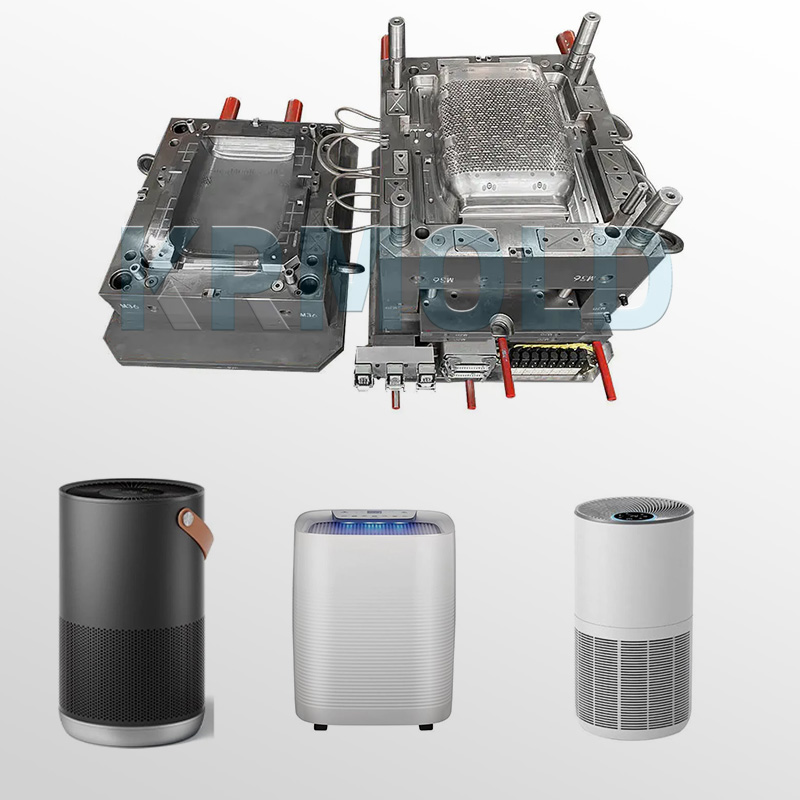
Specifications of Air Purifier Casing Injection Mold
| Mold Standard | HASCO |
| Mold Steel | S136 |
| Cavity Count | Single cavity |
| Runner/Gate | Cold runner |
| Product Material | ABS |
| Mold Surface | Polished |
| Mold Lifespan | Over 1 million cycles |
| Cycle Time | 30 seconds |
| Clamping Force | 150 tons |
Air Purifier Casing Injection Molding Principles
Injection molding is the core process for manufacturing plastic components using the plastic injection mold for air purifier. The basic operational flow is as follows:
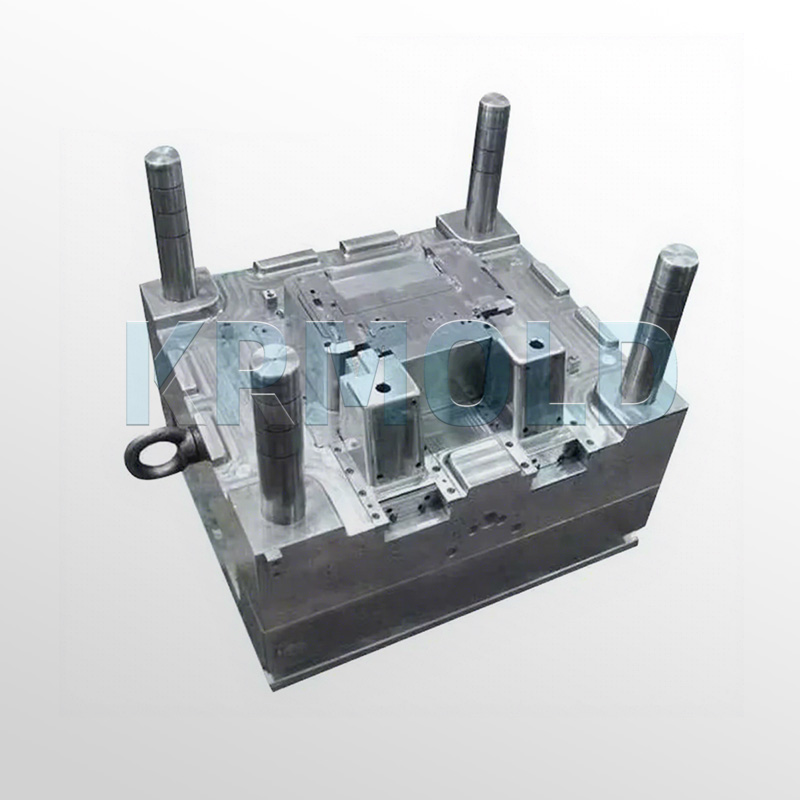
First, plastic raw material pellets (such as ABS, PP, or PC) are heated and melted within the injection molding machine's barrel.
Subsequently, the molten plastic is injected under high pressure into the cavity of the air purifier filter plastic injection mould.
To ensure the integrity of complex structures, some precision air purifier housing injection molds utilize vacuum-assisted demolding technology.
Once the plastic within the cavity has cooled and solidified via the air purifier shell mold's cooling system, the mold opens, and the ejection mechanism releases the formed purifier housing.
Compared to traditional manufacturing methods, injection molding using the plastic injection mold for air purifier offers significant environmental advantages.
Throughout the production cycle, the process releases minimal chemical substances into the environment. Unlike painting or metal machining processes that rely heavily on chemical solvents, injection molding creates products through a physical phase change; additionally, waste materials (such as runners and sprues) can be reground and recycled, drastically reducing industrial waste emissions.
Technical Advantages of Air Purifier Casing Injection Mold
Addressing the common challenge of machining densely packed intake grille holes in the air purifier industry, KRMOLD air purifier filter plastic injection mould offer the following technical advantages:
1. Superior Dimensional Stability
Air purifier casings often feature numerous air intake holes; these dense, small apertures demand extremely high machining precision. KRMOLD air purifier housing injection mold solutions ensure precise hole positioning and consistent hole diameters during mass production, effectively preventing grille deformation caused by uneven injection pressure.
2. Pre-hardened Material Technology
To shorten lead times and enhance air purifier casing injection mold quality, KRMOLD utilizes high-quality pre-hardened steel for air purifier shell molds.
Since the steel reaches the required hardness before machining, no secondary heat treatment is needed during manufacturing.
This fundamentally eliminates the risk of mold deformation associated with heat treatment, allowing for greater control over the air purifier casing injection mold's geometric precision.
3. Uniform Heat Conduction and Cooling Efficiency
The air purifier filter plastic injection mould feature scientifically designed internal cooling channels to ensure even heat dissipation.
This thermal performance allows the plastic to cure rapidly and stably within the air purifier housing injection mold, boosting production efficiency while preventing sink marks on the casing caused by localized overheating.
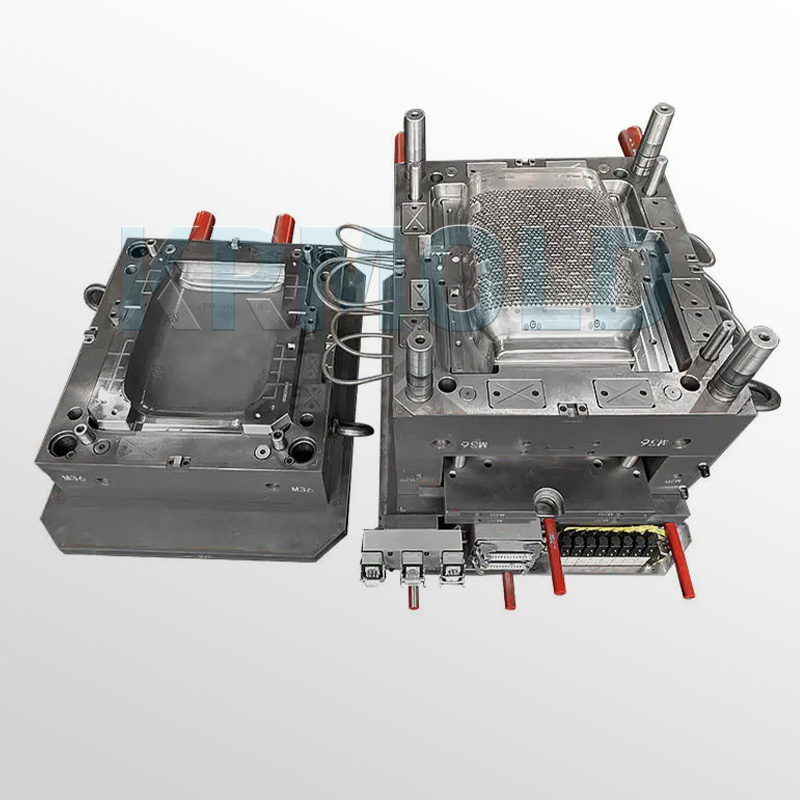
Mold Material Selection and Surface Treatment
Material properties directly determine the service life and molding quality of air purifier shell molds. Common mold steels used in the industry include:
P20 Steel: Offers good machinability and cost-effectiveness; widely used for small-to-medium-sized plastic injection mold for air purifier.
718H Steel: Features higher hardness and excellent wear resistance; an ideal choice for high-volume production or complex mold structures, capable of withstanding prolonged exposure to high-pressure injection.
NAK80 Steel: Renowned for exceptional polishability; particularly suitable for high-end air purifier casings requiring a high-gloss mirror finish.
Regarding surface treatment, nitriding is frequently employed on air purifier casing injection molds to increase surface hardness and reduce wear during demolding.
To withstand high-humidity or corrosive environments, the air purifier filter plastic injection mould' corrosion resistance is enhanced through chrome plating or PVD coatings, thereby extending its service life in industrial settings.
Air Purifier Casing Injection Mold Manufacturing Process and Quality Control
1. CNC and EDM Machining
Steel components are precisely machined into preset shapes using high-speed milling. For features such as deep cavities, narrow slots, or intricate grille structures within the air purifier casing, Electrical Discharge Machining technology is employed.
EDM utilizes the principle of spark erosion to carve complex contours without generating mechanical cutting forces, effectively avoiding issues like tool interference and residual stress.
2. Precision Assembly Control
During the assembly of the air purifier housing injection mold, the moving and fixed mold halves are aligned using high-precision guide pillars and bushings. KRMOLD strictly controls the mold parting line clearance to within 0.02mm to prevent material leakage during injection.
Simultaneously, the ejection system undergoes synchronized calibration to ensure uniform force distribution on the product, preventing defects such as warping or stress whitening caused by uneven ejection.
3. Coordinate Measuring Machine Inspection
To ensure every air purifier shell mold fully complies with design specifications, KRMOLD utilizes a Coordinate Measuring Machine for comprehensive dimensional inspection.
Every data point—from the geometric tolerances of the air purifier casing injection mold core to the positional tolerances of hole locations—is rigorously verified, ensuring the air purifier housing injection mold is ready for high-standard production immediately upon arrival at the customer's facility.
Specify the type of plastic (e.g. PP, ABS) and post-processing requirements (e.g. spraying, silk-screen printing), and provide 2D or 3D plastic part drawings should be provided. At the same time, provide the production volume, appearance requirements, tolerance standards, etc.
Generally speaking, our engineers will start to prepare the quotation immediately after the customer provides the complete production requirements. Usually it takes about 1-3 days.
The lead time for regular injection molds is usually 30-60 days, and may be longer for complex molds. For example, the typical lead time for liquid silicone molds is around 60 days, covering design, manufacturing, mold testing, etc.
High-precision processing technology: High-precision equipment such as CNC machining centers (CNC) and electric discharge machining (EDM) are used to optimize the design process in combination with CAD/CAM software. Quality control: Inspection of key dimensions of the mold by Coordinate Measuring Machine (CMM) and verification of multiple sample batches during the trial molding stage. Material Selection: Use die steel with high wear resistance (e.g. H13, S136) and surface treatment (e.g. nitriding, chrome plating) for die nuts to extend the life.
After every 50,000 molds, check the guide pillar, ejector pin and other wear parts, and clean up the residual plastic and rust on the mold surface. Use high temperature grease for sliding parts (e.g. tilt top, slider) to reduce friction loss. Ensure that the water circuit is smooth and the temperature difference is ≤5℃ to avoid cracking of the mold due to thermal stress.
Mould cost of materials accounted for about 30-40% (such as 1 ton of P20 steel price of about 20,000 yuan), processing costs accounted for more than 50% (CNC labor hourly rate of about 80-150 yuan / hour). Small batch production can choose aluminum mold or simplify the structural design; more than 100,000 pieces is recommended to use carbide inserts to enhance life!
Mould injection products need to fully meet the design requirements (such as size, appearance), and can be continuous and stable production. Mold marking, inspection reports (such as material hardness test) and engineering drawings should be complete.
Mould steel (such as S136H, NAK80 and other imported materials cost more) and the type of mold embryo (aluminum mold short-term cost is low but short life) directly affect the cost, the use of CAD/CAE/CAM design technology, hot runner system, etc. will increase the upfront investment, but can enhance the long-term benefits (such as reducing the sprues, increase production capacity).